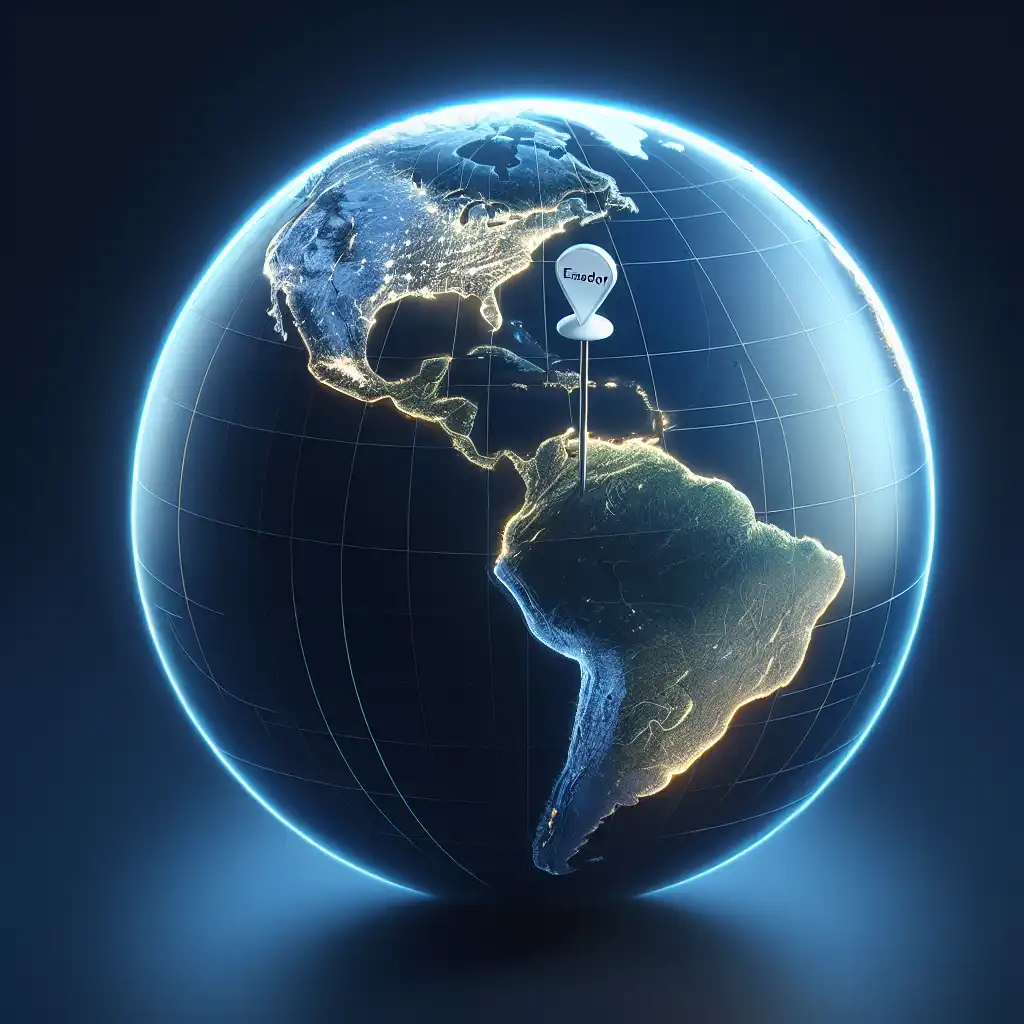
equator
noun equator
ɪˈkweɪtər
An imaginary line drawn around the middle of the Earth that is equal distance from the North and South Poles.
The country of Ecuador is named after the equator, which crosses through it.
equator
ɪˈkweɪtər
Chargement…
ɪˈkweɪtər
An imaginary line drawn around the middle of the Earth that is equal distance from the North and South Poles.
The country of Ecuador is named after the equator, which crosses through it.
ɪˈkweɪtər
A similar imaginary line on any spherical surface, especially on the surface of a celestial body (such as a planet).
The equator of Jupiter is the middle line around the planet.
ɪˈkweɪtər
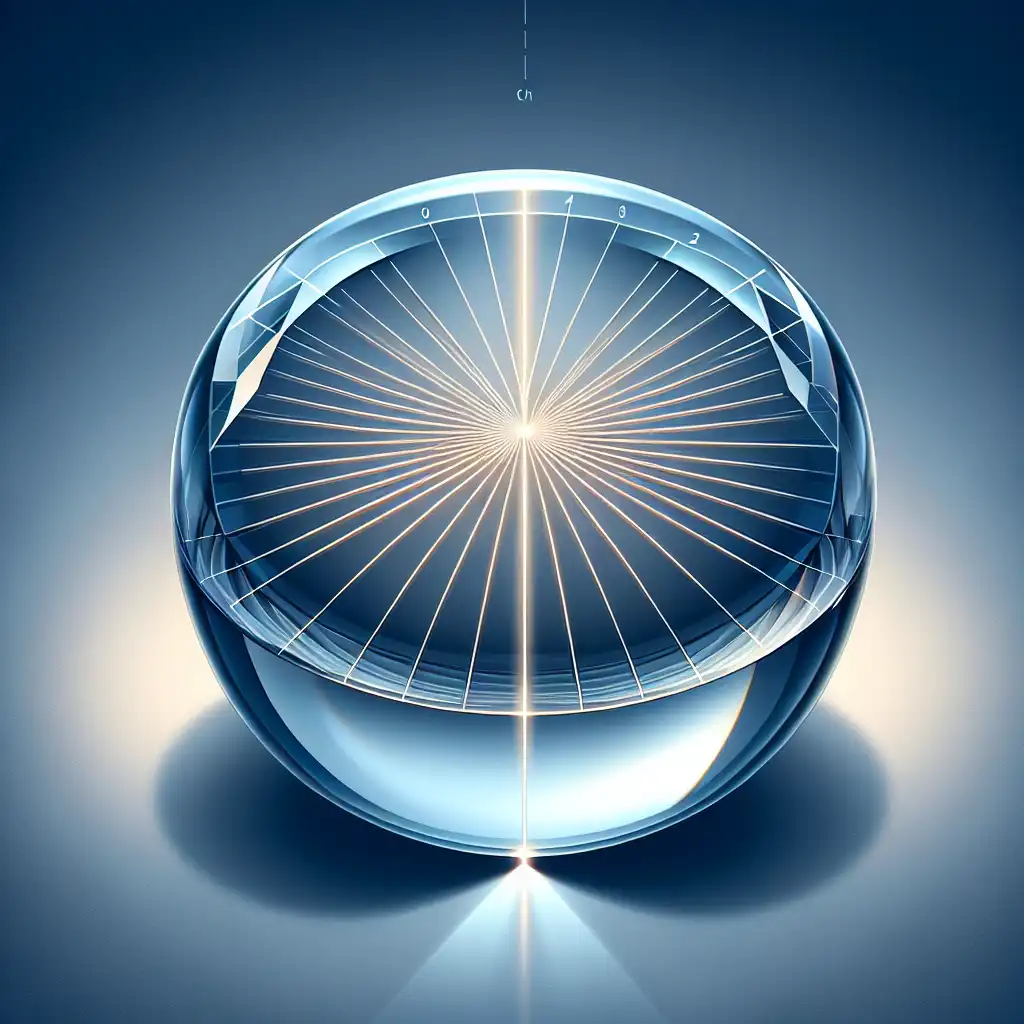
In optics, the equator of a lens is the imaginary line perpendicular to its axis.
The light rays hit the lens on the equator and bend.
ɪˈkweɪtər
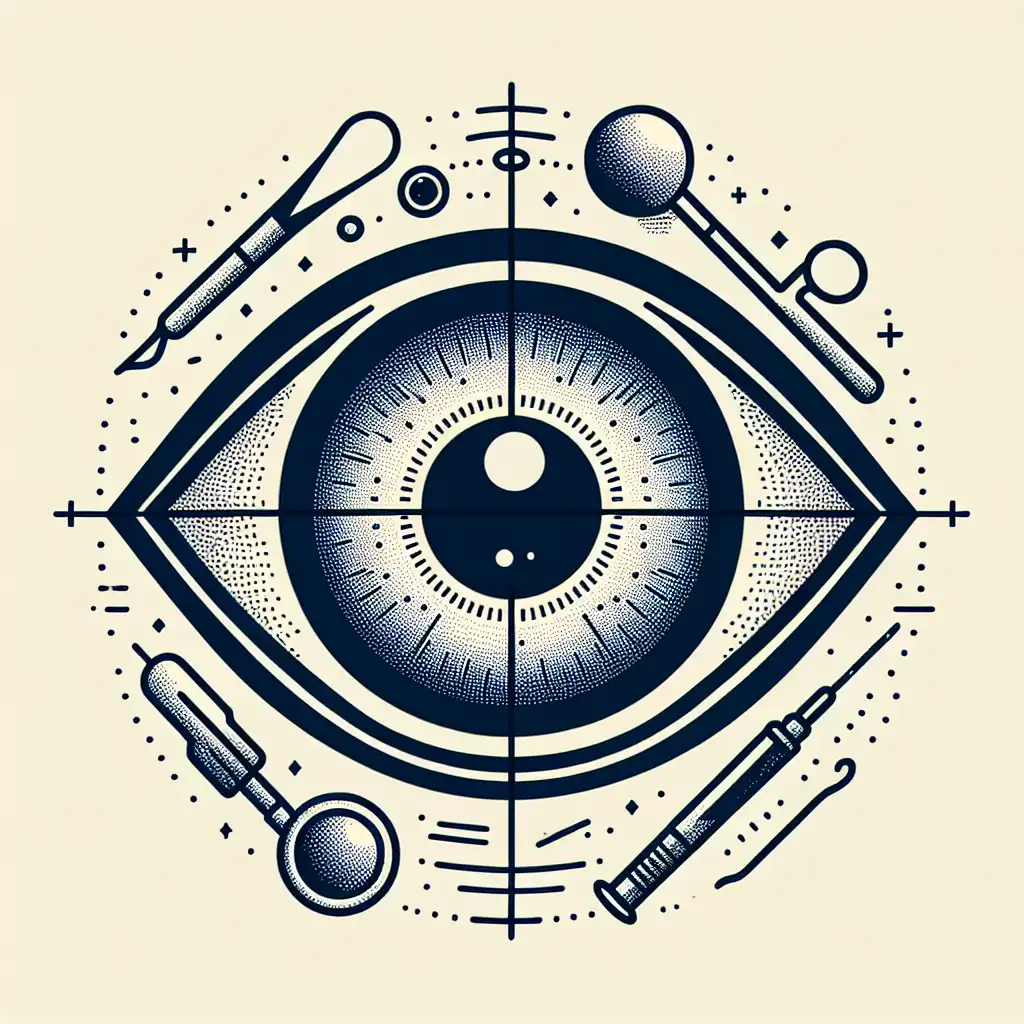
In anatomy, the equator of the eyeball is a line encircling the eyeball and splitting it into front and back halves.
The surgeon cuts the eyeball along the equator during the operation.
Impossible de charger l’audio. Réessayez plus tard.
The equator is an imaginary line that circles the Earth halfway between the North Pole and the South Pole. It divides the Earth into two halves or hemispheres - the Northern Hemisphere and the Southern Hemisphere. The equator is important in geography because it affects the climate and the seasons in different parts of the world, and it also helps us understand how life forms have adapted to different environments. For example, the Amazon rainforest is located near the equator, which makes it a very hot and humid place with lots of tropical plants and animals. If you want to talk about the equator in English, you can say things like "The equator is located at 0 degrees latitude" or "The countries that lie on the equator experience a consistent climate throughout the year."
flying around the world nonstop in a plane of his own design. Able to travel consistently at the incredible speed of one degree longitude around the equator per minute, the plane would take six hours to circle the world. There's just one
Voir sur YouTube ↗With the possible exception of the equator, everything begins somewhere.
changing conditions think of the equator as climate change occurs that kind of central part of the world
Voir sur YouTube ↗The Earth has been lawned with life for something over 3.5 billion years. That's a span of time great enough to encompass some honest-to-goodness catastrophe. For example, 700 million years ago, Earth underwent a planet-wide deep freeze, with ice covering the oceans from the poles to the equator.
couple seconds off the equator I said they have mismeasured and there were thousands of people taking their pictures and standing on the north and southern hemisphere and I said no they're all frauds this isn't it I'm
Voir sur YouTube ↗I think that the equator could act as a great equalizer for all life on Earth, celebrated as the great energy belt of the planet. If all our energy grids were synchronized, the light side of the planet could provide energy for the dark side, according to the movement of the sun.
he knew that skin color was one of the most important ways in which people varied. And he was somewhat interested in the pattern of skin color. He knew that darkly pigmented peoples were found close to the equator;
Voir sur YouTube ↗I propose to construct a new chart for navigating, on which I shall delineate all the sea and lands of the Ocean in their proper positions under their bearings; and further, I propose to prepare a book, and to put down all as it were in a picture, by latitude from the equator, and western longitude.
Africa along the equator and everywhere each glacier grows it grows within inhabited and historic environments where there are glaciers there are people and the two have been influencing each other for the entirety of human
Voir sur YouTube ↗Today, no less than in the past, the tetrahedral form of the earth and the relation of the tetrahedron to the poles and to the equator preserve the conditions that favor rapid evolution.
have actually loaded all those carbon dioxides the atmosphere in the first instance it's the exact opposite the parts that will suffer the most most quickly are those around the equator but you have to understand this is also a crisis for the world
Voir sur YouTube ↗striking the earth head-on at the equator it's here that they deliver the most intense solar energy on the planet enabling life to flourish
Voir sur YouTube ↗striking the earth head-on at the equator it's here that they deliver the most intense solar energy on the planet enabling life to flourish
Voir sur YouTube ↗Hurricanes help regulate our climate by moving heat energy from the equator to the poles keeping the Earth's temperature stable. Over time science has helped us to better understand
Voir sur YouTube ↗which travel clockwise in the northern hemisphere and counter-clockwise in the southern hemisphere. That’s because of the way the Earth’s rotation affects the wind patterns that give rise to these currents. If the earth didn’t rotate, air and water would simply move back and forth between low pressure at the equator
Voir sur YouTube ↗