Impossible de charger l’audio. Réessayez plus tard.
Comment l’utiliser
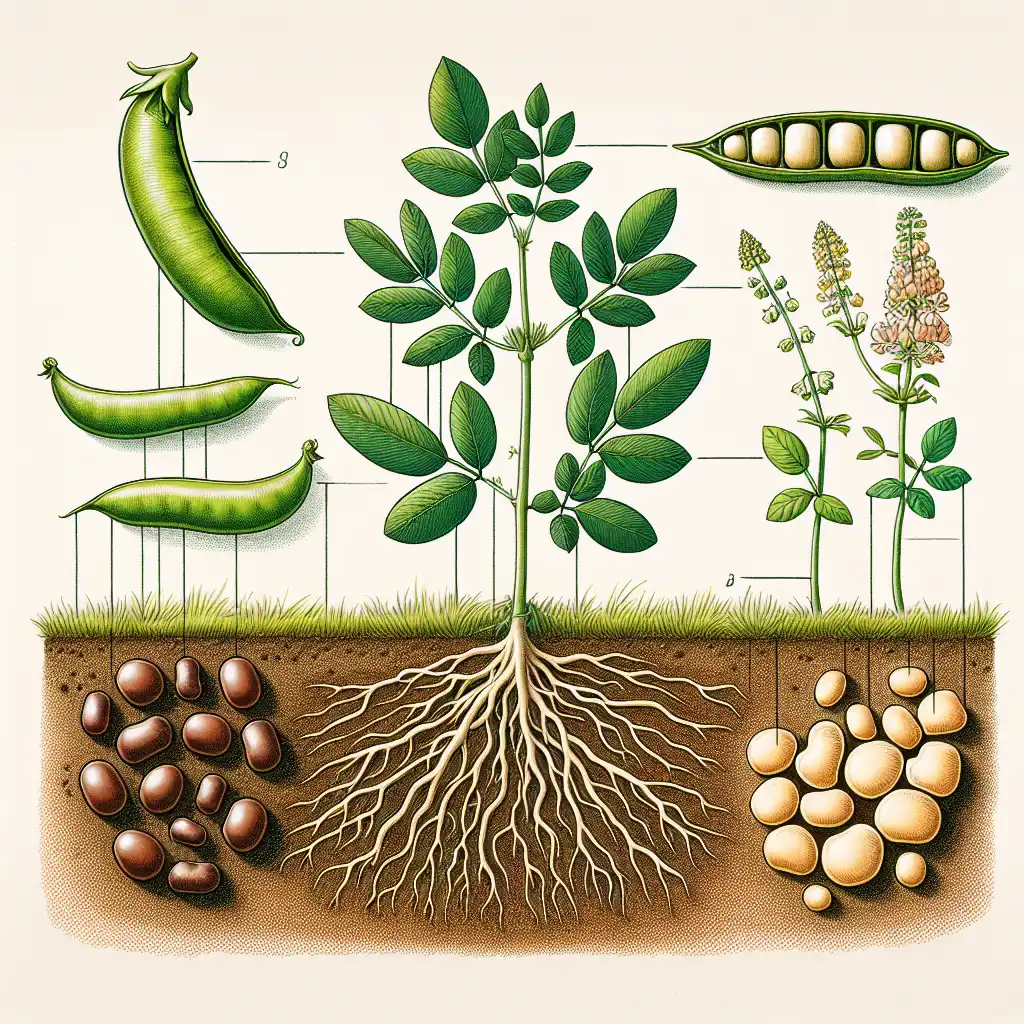
A legume is a type of edible plant that grows in a pod, like peas, beans, and lentils. You can use this word when talking about vegetables and different kinds of food. For example, you might say, "I love to eat legumes like black beans and chickpeas in my salads and soups" or "Legumes are a great source of protein for vegetarians."
The term bean generally refers to a specific type of legume that has seeds which are relatively small and round, with a wrinkle or indentation running along one side.
Examples of beans include black beans, kidney beans, and navy beans.
This can include beans, but it can also include other types of legumes such as peas, lentils, and peanuts.
So, while all beans are technically legumes, not all legumes are beans. The term bean is more specific and usually refers to a particular type of legume that has a distinct shape and texture.
A legume is a type of plant in the bean family that produces seeds within pods. Examples of legumes include beans, peas, and lentils.
Lentils are a specific type of legume with a lens-shaped seed.
So, all lentils are legumes, but not all legumes are lentils. Legumes are applicable in a wide range of recipes, including soups, stews, salads, and as a source of protein in vegetarian or vegan diets.
Lentils, in particular, are a popular ingredient in soups and stews and can also be used in dishes such as lentil burgers or lentil salad.
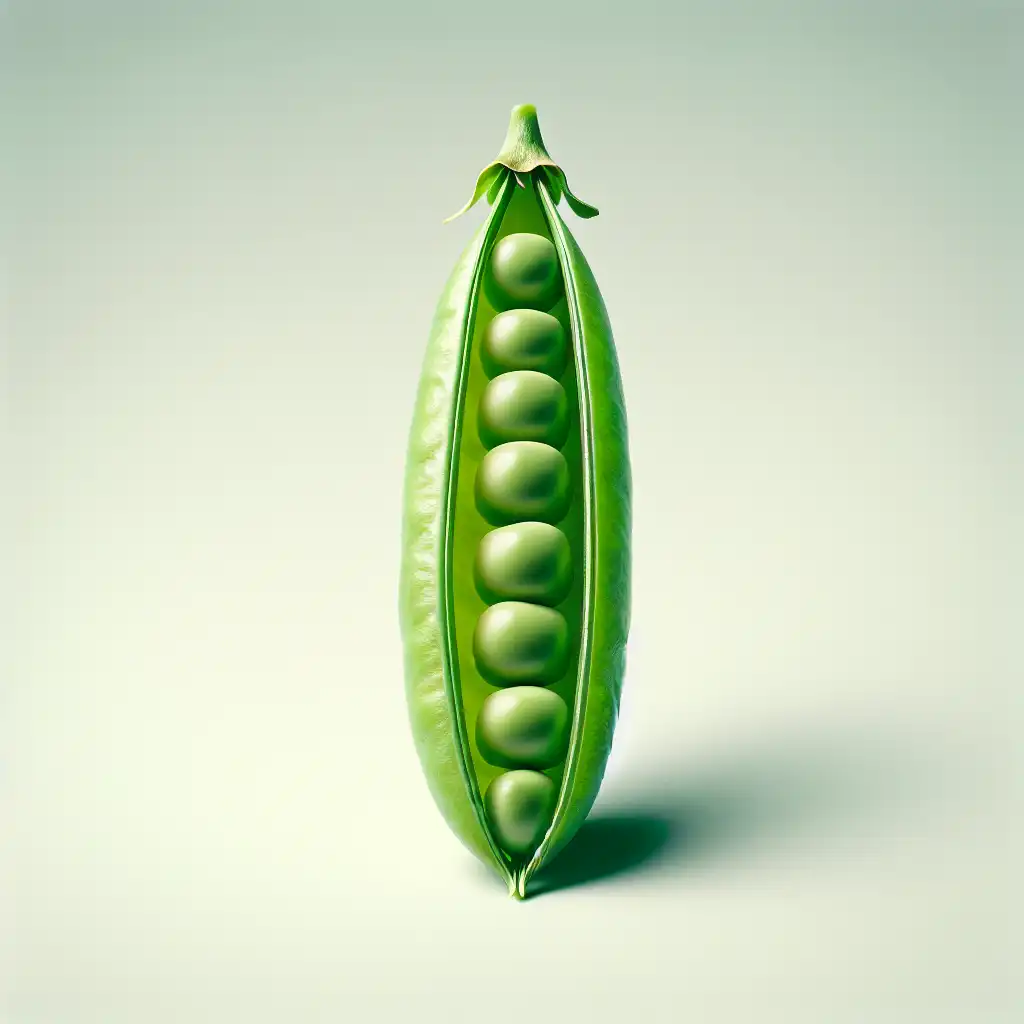
A legume is a type of plant that belongs to the family Fabaceae, which includes beans, lentils, and peanuts. Pea is a specific type of legume that is commonly eaten as a vegetable.
So, while all peas are legumes, not all legumes are peas. Legumes are applicable in agriculture, gardening, and cooking, where they are used as a source of food, feed for livestock, and nitrogen fixation for soil enrichment.
Peas are applicable in cooking and culinary arts, where they are used in various dishes, such as soups, stews, and salads.
Legume refers to a type of plant that has seeds in a pod, such as beans, lentils, and peas. Pulse refers to the edible seeds of legumes, like dried beans, chickpeas, and split peas.
In other words, legume is a broader term that encompasses a variety of plants, while pulse is a specific term used to describe the edible part of certain legumes.
Both terms are applicable in the context of agriculture and food, as legumes are often grown as crops and pulses are a common source of protein in many diets around the world.
Learning that whole grains, legumes, fruits and vegetables can help prevent many cancers, including cancers of the prostate, breast, mouth, throat, esophagus, lung, colon, kidney, pancreas, thyroid, gallbladder, and probably other cancer types is a powerful lesson that can have a significant impact on children's lives.
A gluten-free diet still allows you access to almost every fruit and vegetable, a variety of grains and legumes, your pick of dairy products, fresh meats and fish and a whole slew of special gluten-free delights to satisfy your pretzel-bagel-muffin-doughnut craving.
An Asian way of eating and living may help prevent and even reverse the progression of coronary heart disease, diabetes, hypertension, obesity, prostate cancer and breast cancer. Incorporate more fruits, vegetables, whole grains, legumes, soy products and fish in your diet. Eat at home more with your family and friends.
My diet is mostly composed of whole-grain cereals, legumes, beans, lentils. Lots of cooked, baked, or steamed vegetables. Lots of spices like curcumin or cumin that help aid digestion. Some superfoods.
It is not easy for me to digest meat. I waste too much energy in digesting meat, and that's why I get my proteins from other products. I like beans and other legume plants very much. I need a lot of 'live' products such as fruit and vegetables.
Dinner is often a stew of beans or legumes, which are awesome for dieting; they give you that meaty satisfaction and both are excellent with whole grain rice or bread.
Most people think if you are vegan you eat just green stuff, you just eat salad and lettuce and veggies the whole day... I'm eating beans, legumes, lentils and peas and rice and potatoes and a lot of things that have calories to give me the energy to do what I do.
The most troublesome plant lectins are found in the hulls of grains, in beans and legumes, and the nightshade family - specifically the peels and seeds of tomatoes, peppers, eggplants, etc.
Foods high in bad fats, sugar and chemicals are directly linked to many negative emotions, whereas whole, natural foods rich in nutrients - foods such as fruits, vegetables, grains and legumes - contribute to greater energy and positive emotions.