
extirpate
verb extirpate
ˈekstərpeɪt
To completely get rid of something, such as a problem or condition
The government has launched an aggressive campaign to extirpate corruption.
extirpate
ˈekstərpeɪt
Chargement…
ˈekstərpeɪt
To completely get rid of something, such as a problem or condition
The government has launched an aggressive campaign to extirpate corruption.
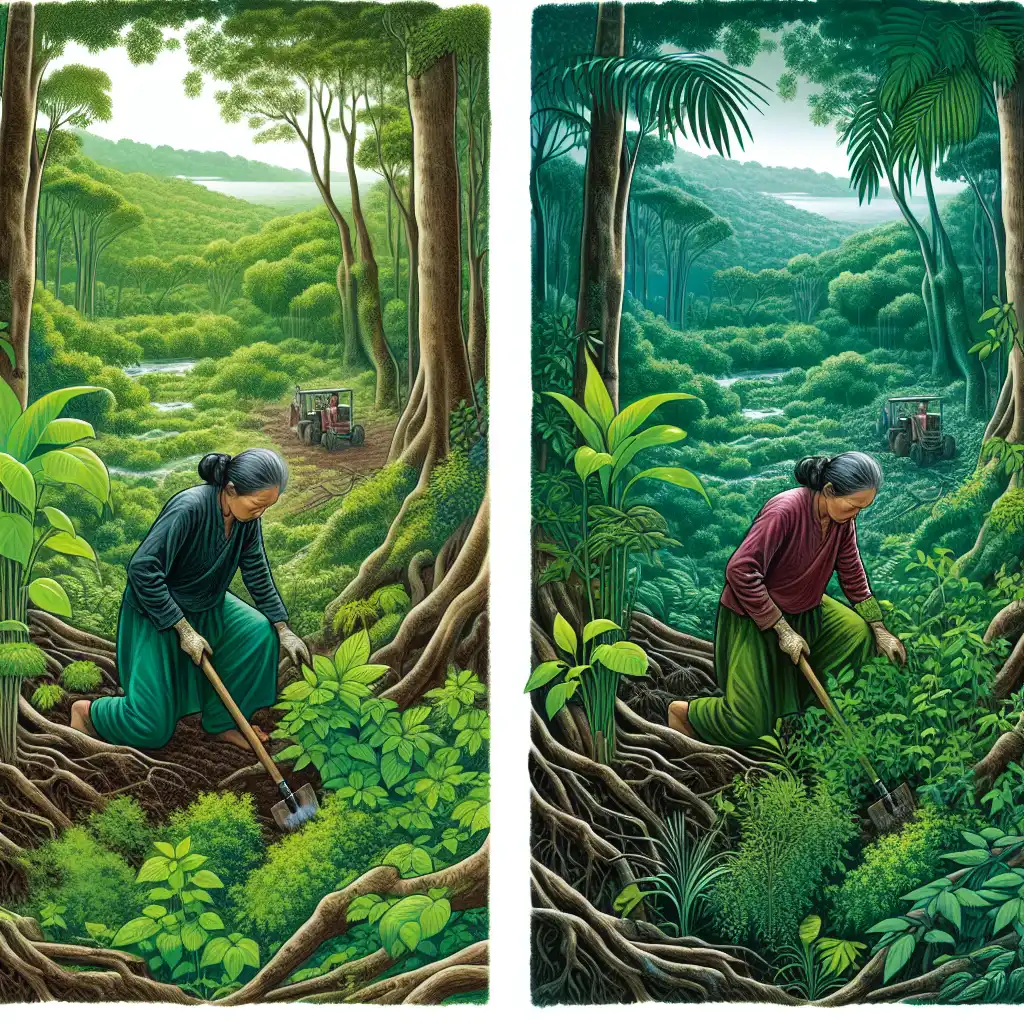
ˈekstərpeɪt
To pull up or destroy completely, especially plants or weeds
The invasive plant species needs to be extirpated to maintain the balance of our local ecosystem.

ˈekstərpeɪt
To wipe out or kill off a species
Poaching activities could extirpate the species from this region completely.
Impossible de charger l’audio. Réessayez plus tard.
"Extirpate" means to completely remove or get rid of something, such as a problem, disease, or an unwanted plant or animal. It is often used in discussions of controlling or eliminating a harmful or troublesome species, like an invasive insect or weed. For example, a farmer might use pesticides to extirpate a particularly pesky group of bugs from their crops. Similarly, conservationists might work to extirpate an invasive plant species from a local park so that native plants can grow without competition.
Abolish means to completely get rid of or put an end to something such as a law, system, or practice. It is applicable when there is an existing system or law that needs to be removed.
Abolish is used to put an end to something, while extirpate is used to completely remove something in a more aggressive manner.
Ouvrir le mot: Abolish →Annihilate means to completely destroy or eliminate something, often to the point of making it non-existent.
The main difference between the two words is their severity and the level of destruction implied. Annihilate is more extreme and implies total destruction, while extirpate is less severe and implies removal without necessarily destroying completely.
Ouvrir le mot: Annihilate →Destroy means to completely ruin or demolish something, whereas extirpate means to completely eradicate or eliminate something, usually a living organism.
For example, you can destroy a building by demolishing it, but you can't extirpate a building because it's not a living organism.
Destroy is used when referring to non-living things or objects, and extirpate is used when referring to living things such as plants, animals or pests.
Ouvrir le mot: Destroy →Both eradicate and extirpate mean to completely eliminate something, but there is a slight difference in where each word can be used.
Eradicate means to completely destroy or remove something from a particular area or population. For example, eradicating a disease means completely wiping it out from a certain region or country.
Eradicate means to remove or destroy something completely, while extirpate means to remove something completely from a particular place or situation.
Ouvrir le mot: Eradicate →Exterminate means to completely destroy or eliminate something or someone. This is often used in reference to pests, such as rats or cockroaches, as well as to human beings or groups that are seen as a threat.
For example, during World War II, the Nazis attempted to exterminate the Jewish population.
Exterminate suggests a more complete, final destruction, while extirpate suggests a targeted, deliberate removal.
Ouvrir le mot: Exterminate →Obliterate means to completely wipe out or destroy something so that there is no trace of it left. It is commonly used in the context of war or destruction, such as a bomb obliterating a building.
In simpler terms, extirpate means to remove something completely, and obliterate means to completely destroy something.
Both words are applicable in different contexts depending on the situation, but extirpate is more commonly used for removing specific things like species or disease, while obliterate is used for more total destruction.
Ouvrir le mot: Obliterate →Remove means to take something away from its place or position.
Extirpate means to completely remove or destroy something, especially from its roots or source. It usually refers to getting rid of something unwanted or harmful completely.
For example, you might remove your shoes before entering a friend's house, but you might need to extirpate a weed from your garden to keep it from spreading.
Remove is a more general term, while extirpate implies a more thorough and complete eradication.
Ouvrir le mot: Remove →Wipe out means to completely eliminate something, usually in a more general context.
It can be used in reference to physical destruction or eradication, such as wiping out a city or wiping out a virus.
It can also be used more metaphorically, like wiping out an entire savings account or wiping out all of someone's hard work and effort.
Extirpate is more specific in terms of its scope and refers to the removal of something from a specific area or environment, while wipe out is more general and can refer to the complete elimination of anything.
Ouvrir le mot: Wipe out →Every Animal Deserves a...
Voir sur YouTube ↗We can constitutionally extirpate slavery at this time.
Egalitarians' who complain about inequality view the wealth of the wealthiest as bad in itself: it disfigures society. They would enact a wealth tax to extirpate the offending wealth.
The whole secret of the campaigns unleashed against Spain can be explained in two words: masonry and communism... we have to extirpate these two evils from our land.
We can constitutionally extirpate slavery at this time. But if we fail to do this, then unless we intend hereafter to violate the Constitution, we shall have a fugitive slave law in operation whenever the war is over.
I can see why many Southerners, black ones in particular, don't like the implication that Southernness and the Confederate heritage are one and the same, because they're not. On the other hand, there are people who want to extirpate that completely and want folks to spit on the graves of their ancestors.