abrade
verb abrade
əˈbreɪd
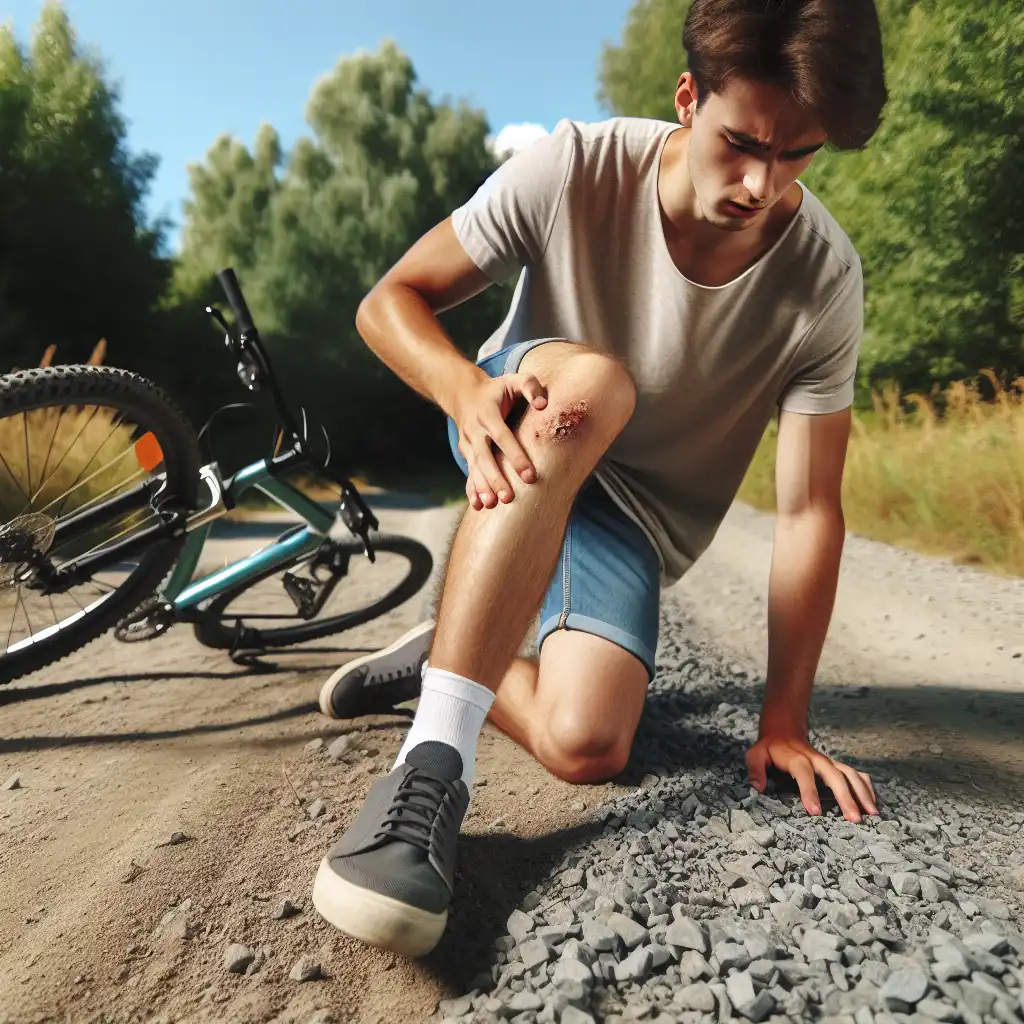
To rub or scrape off the top layer of something by using friction
He abraded his skin when he fell off his bike.
abrade
əˈbreɪd
Chargement…
əˈbreɪd
To rub or scrape off the top layer of something by using friction
He abraded his skin when he fell off his bike.
əˈbreɪd
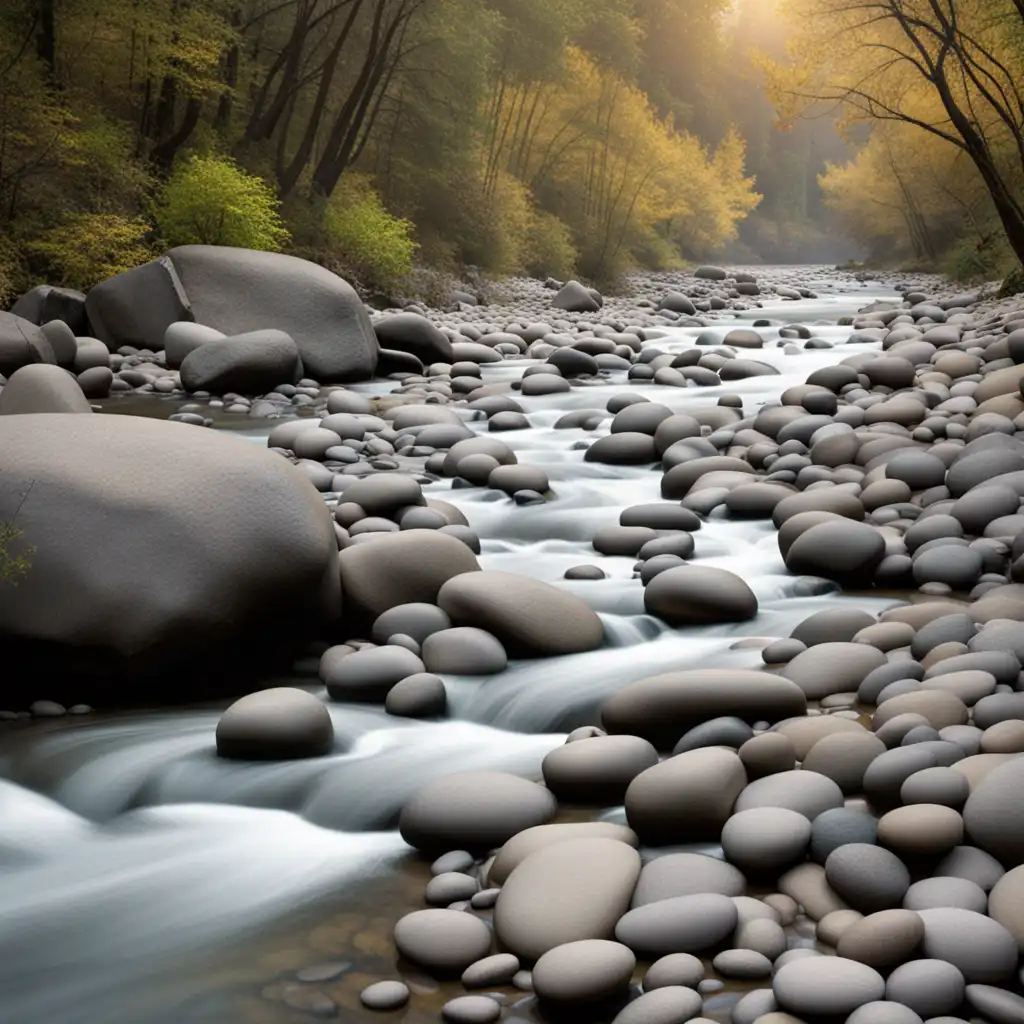
To wear down or diminish due to consistent friction or use over time
The river water can abrade the rocks over the years.
Impossible de charger l’audio. Réessayez plus tard.
The word "abrade" means to wear away or scrape the surface of something by rubbing against it. It can be used when describing the process of sandpapering or polishing a surface until it becomes smooth or shiny. For example, you can say "I need to abrade the rust off of this metal before painting it" or "The constant flow of water abraded the rocks and formed a waterfall over time." It is important to note that "abrade" is not a commonly used word in everyday conversation, but may appear in technical or specialized contexts such as science or engineering.
The words abrade and chafe both refer to the act of rubbing or wearing away a material, but they are typically used in different contexts.
Chafe typically refers to the unintentional rubbing or irritation of a surface, often due to repeated friction or pressure.
For example, if you wear a pair of shoes that are too tight and they rub on your skin repeatedly, they might cause chafing, leaving your skin red and irritated.
Abrade is used in intentional situations where something is being deliberately rubbed, while chafe is used in situations where rubbing or irritation is happening unintentionally.
Ouvrir le mot: Chafe →Both abrade and erode involve the wearing away of something, but the difference between the two is how this wearing away happens.
Erode refers to the process of something being gradually worn down by the action of wind, water, or other natural forces.
For example, when a river erodes the banks of its channel, it causes the soil and rocks to gradually break down and shift away.
Ouvrir le mot: Erode →The words abrade and grind both mean to wear something down or remove material from it.
Grind usually refers to more heavy-duty material removal, such as when you use a grinder to make a precise cut into something or shape it into a specific form.
You might abrade something that is already fairly smooth, whereas you would grind something to reshape it or remove more material.
Ouvrir le mot: Grind →The words abrade and rasp both mean to scrape or wear away material from a surface, but they differ slightly in their usage.
"Rasping," on the other hand, often implies a more forceful or aggressive removal of material. It might involve digging or chipping into a surface with a sharp tool, such as when someone rasps a piece of metal or wood to create a particular shape or texture.
Overall, while both words involve the idea of scraping or wearing away material, abrade tends to suggest a more gradual and incidental process, while rasp suggests a more active and intentional one.
Ouvrir le mot: Rasp →Abrade and rub both involve the action of moving something back and forth against another surface.
However, abrade usually means to wear away the surface of something by rubbing it with a rough or hard object, while rub can have a variety of meanings, including to apply pressure to something by sliding it against a surface or to clean something by moving a cloth or sponge back and forth.
Abrade is applicable when you want to remove material from a surface, whereas rub can be used in a variety of contexts such as cleaning, massaging, or applying pressure to something.
Ouvrir le mot: Rub →Abrade and scrape both mean to remove a layer of material from a surface, but there are slight differences in how the words are used.
Abrade is more forceful than scrape and typically involves using a rough or gritty material to wear away at a surface. For example, if you wanted to remove paint from a metal surface, you might use sandpaper to abrade the paint off.
Scrape refers to removing a layer of material from a surface using a sharp object or tool, like a knife or a razor blade.
This word is often used for smaller, more precise removals. For example, you might scrape the dried food off a plate with a dishwasher.
Abrade is a more aggressive action than scrape, and is used when a lot of material needs to be removed. Scrape is a more delicate action, and is used when only a small amount of material needs to be removed or when precision is important.
Ouvrir le mot: Scrape →Abrade and scratch both refer to the process of removing material from a surface, but they differ in their intensity and the tools or materials used.
Scratch refers to superficial damage caused by a pointed or sharp object, such as a fingernail or a key.
It can also refer to the act of making a small cut or mark on a surface using a knife, pen, or other pointed tool. Scratches are typically shallower than abrasions and may not require significant effort to remove or repair.
In summary, abrading involves more intensive rubbing or grinding to alter a surface, while scratching is a narrower and more superficial type of marking or damage.
Ouvrir le mot: Scratch →Both abrade and wear away mean to gradually remove material from a surface.
Wear away refers to the gradual loss of material due to repeated use or exposure to environmental factors, such as water or wind.
Abrade is used when talking about intentional or deliberate removal of material, whereas wear away is used when talking about natural or unintended removal of material over time.
Ouvrir le mot: Wear away →This is applicable when you are trying to remove a thin layer of material from the surface without completely wearing it down.
The phrase wear down means to gradually become thinner or weaker over time as a result of continuous use or friction.
This is applicable when the material is not just being scraped but is also being worn away slowly due to continuous use.
Abrade is a deliberate and focused action to remove a small amount of material, whereas wear down is the result of continuous use over time that causes the material to gradually become thinner or weaker.
Ouvrir le mot: Wear down →