imitative
adjective imitative
ˈɪmɪteɪtɪv
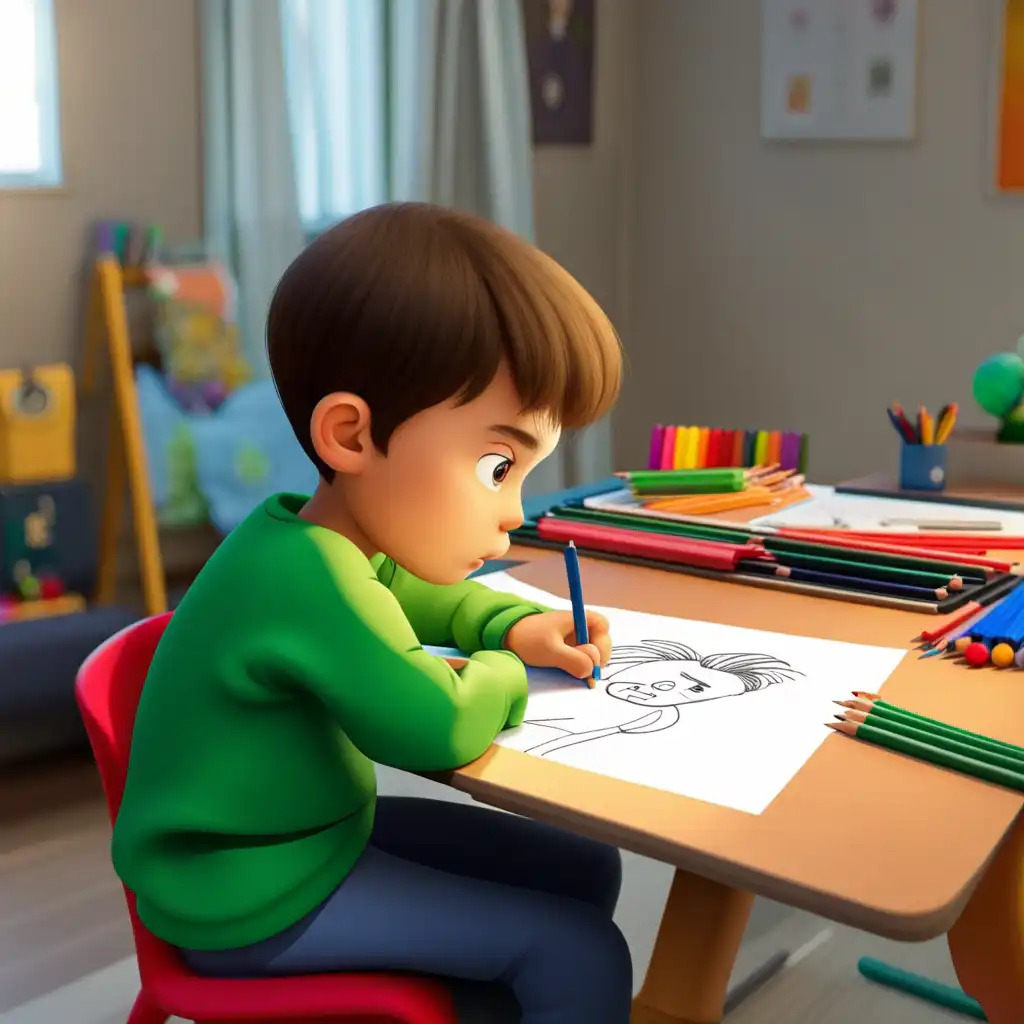
Copying or following a model or example
The child's drawing was imitative of his favorite cartoon character
imitative
ˈɪmɪteɪtɪv
Loading…
ˈɪmɪteɪtɪv
Copying or following a model or example
The child's drawing was imitative of his favorite cartoon character

ˈɪmɪteɪtɪv
Relating to or characterized by imitation
Imitative techniques are often used in art to replicate real-life objects
ˈɪmɪteɪtɪv
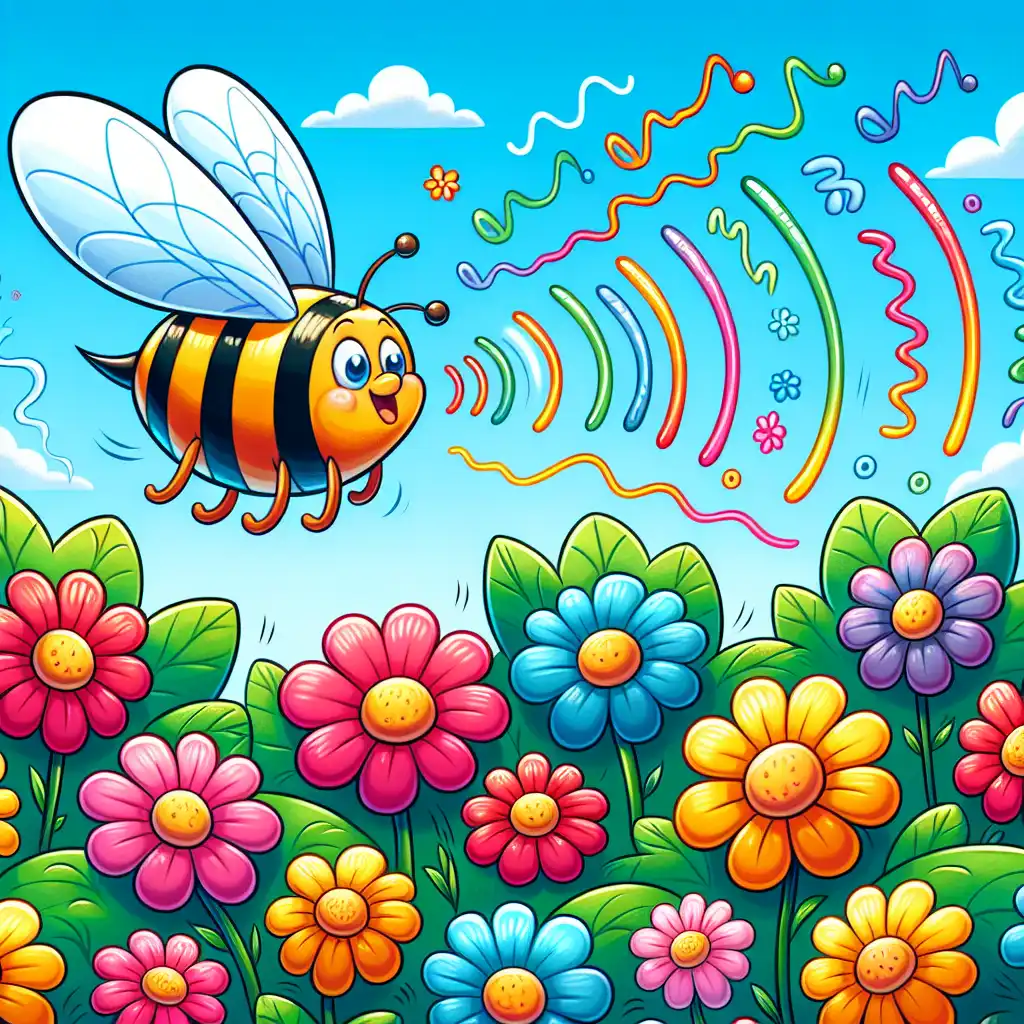
A word or phrase that sounds like what it represents
In English, examples of imitative include 'buzz' for the sound a bee makes
Audio could not be loaded. Please try again later.
The word 'imitative' is used to describe something that copies or mimics another thing. For example, a child might make an imitative drawing of a flower by copying the shapes and colors they see in a real flower. In music, imitative melodies or rhythms repeat and copy each other. You might also hear the word used to describe people or animals that imitate others' behavior, such as a parrot imitating human speech. Overall, the word 'imitative' describes something that imitates or copies another thing in some way.
Copycat is a noun used to describe someone who copies the actions of someone else without permission or credit. It has a negative connotation and implies a lack of originality.
For example, if someone copied your school project entirely and submitted it as their own, they would be called a copycat.
Copycat has a negative connotation and implies a lack of originality, while imitative can be used in a positive or negative context to describe someone or something that imitates or copies the qualities or characteristics of another.
Open word: Copycat →An echo is a repetition of a sound that is produced by the reflection of sound waves off a surface. It is a natural phenomenon and does not require intentional action to occur.
An echo is a natural sound repetition while imitative sounds are intentionally created or mimicked sounds.
Open word: Echo →Impersonate refers to the act of pretending to be someone else, often through imitation or mimicry. For example, an actor may impersonate a historical figure in a play.
Imitative means copying something, while impersonate means pretending to be something.
Imitative can apply in various contexts such as music, dance, or art, while impersonate is mostly used in performance or acting.
Open word: Impersonate →Mimetic generally means something that imitates the gesture, behavior, or sound of something else, often in a more exaggerated or comical way.
For example, a comedian might use mimetic gestures to imitate a celebrity or system of speaking.
So, while both words involve imitation, imitative is typically used when talking about artistic or creative works, and mimetic is used when talking about comedy or imitation that involves exaggeration and humor.
Open word: Mimetic →Similarly, an animal that tries to mimic the sounds or behavior of another animal can be described as imitative.
Mimic specifically refers to the act of copying or imitating the behavior or mannerisms of another person or animal. When someone mimics someone else, they are trying to deliberately copy their actions or speech patterns in a humorous or mocking way.
For example, if someone is making fun of their friend by imitating their speech and mannerisms, they can be described as mimicking them.
Imitative is a broader term that refers to any kind of copying or replication, while mimic specifically refers to mimicking someone else's behavior or speech.
Open word: Mimic →Imitative means something that tries to copy or mimic something else, while the word reflective refers to something that involves thinking deeply or carefully about something.
If something is reflective, it means that it encourages or involves careful thinking about something. This could be seen in a reflective essay that asks the writer to think deeply about a topic or in a reflective moment when someone takes time to contemplate their actions and feelings.
Imitative refers to copying while reflective refers to thoughtful consideration.
Open word: Reflective →Replicate means creating an exact copy or duplicate of something. For example, a scientist might replicate an experiment to confirm the results or a manufacturer might replicate a product to make multiple copies.
Imitative refers to creating something similar through copying or imitation, while replicate refers to creating an exact duplicate.
Open word: Replicate →Nora The Piano Playing...
Watch on YouTube ↗Back through the ages of barbarism and civilization, in all tongues, we find this instinctive pleasure in the imitative action that is the very essence of all drama.
How do daily habits lead...
Watch on YouTube ↗I began composing works which were imitative of the music I was being told about. I was also very interested in translating the music into visual terms.
The surprising science...
Watch on YouTube ↗An object imbued with intent - it has power, it's treasure, we're drawn to it. An object devoid of intent - it's random, it's imitative, it repels us. It's like a piece of junk mail to be thrown away.
Movies are extremely imitative of one another. Whatever works, people will try to do it.
In raising children, we need to continuously keep in mind how we can best create the most favorable environment for their imitative behavior. Everything done in the past regarding imitation must become more and more conscious and more and more consciously connected with the future.
I am not a natural singer, but I can sing, and probably the way I sing is more imitative than from myself, which is why I am never going to be an amazing recording artist.
John Fahey, thought during his lifetime to be possibly more than a little crazy, was the author of some thirty albums of gnomically introverted droning guitar instrumentals, which I listened to heavily in my teens and twenties; I even produced an hour or so of banjo music in an imitative John Fahey style.
Being abroad makes you conscious of the whole imitative side of human behavior. The ape in man.
I remember when first, Stripes, and then Animal House came out - which I was really proud of, even though it was kind of loose and quite raucous - there were imitative movies that were not quite as good.
Britain's unique success as an industrialised nation-state prompted strong imitative endeavours not only across Europe, but also in Asia. Now many people, who were once humiliated into a sense of nationality by British rule, loom larger than their former masters.