
aureole
noun aureole
ˈɔːriəʊl
A bright ring of light surrounding something, especially in a piece of art or a holy image
The saint was depicted with an aureole around her head.
aureole
ˈɔːriəʊl
Chargement…
ˈɔːriəʊl
A bright ring of light surrounding something, especially in a piece of art or a holy image
The saint was depicted with an aureole around her head.

ˈɔːriəʊl
A circle of light or brightness surrounding something, especially as depicted in art
The sun had an aureole of mist.

ˈɔːriəʊl
An area of radiant light around the sun or moon, caused by ice crystals in the atmosphere
There was a beautiful aureole around the moon last night.
ˈɔːriəʊl
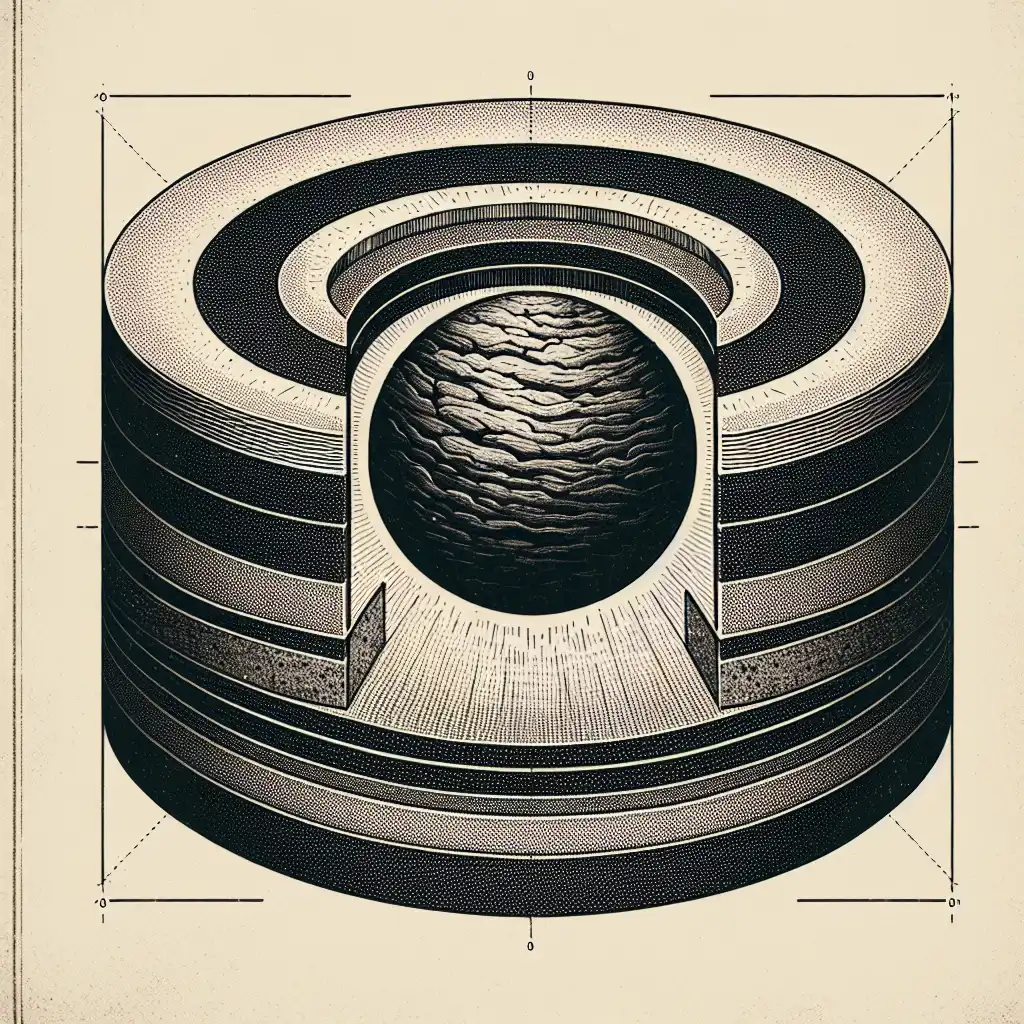
In geology, aureole is the zone of metamorphosed rock surrounding an igneous intrusion
The aureole around the intrusion shows the effect of high temperatures on the surrounding rocks.
Impossible de charger l’audio. Réessayez plus tard.
The word 'aureole' is used to describe a circle of light or brightness that surrounds something or someone, especially a religious figure like a saint. It's often depicted as a halo or a glowing light around their head in paintings or images. You can also use it metaphorically to describe a person who has a certain glow or radiance about them, or to describe something that appears to be surrounded by a special aura.
Aura usually refers to a more abstract or intangible circle surrounding a person, object or place.
So, for example, you might talk about the aura of a musician, meaning the energy and vibe they give off when performing.
Ouvrir le mot: Aura →Corona can refer to a halo of light around the sun, moon, or other celestial body, typically seen during an eclipse.
It can also refer to the outermost layer of the sun's atmosphere, which is visible during a total solar eclipse. Most recently, the term corona has become more commonly associated with the COVID-19 virus, which is named for its crown-like shape.
In summary, although both words refer to a luminous halo, aureole usually refers to a halo in religious art or a golden circle of light, while corona typically refers to a halo around the sun or the outermost layer of the sun's atmosphere, and more recently, the COVID-19 virus.
Ouvrir le mot: Corona →An emanation refers to something that radiates or emits from a source, often in a more abstract or scientific sense. In philosophy, an emanation is a concept that describes how spiritual or divine beings are believed to extend their power or influence into the physical world.
An aureole is a visual symbol used in religion to represent spiritual radiance or holiness, while emanation is a more abstract concept used to describe the transmission of energy or influence from one source to another.
Ouvrir le mot: Emanation →Glory refers to honor, renown, or prestige.
An aureole is a visual depiction of holiness or spiritual enlightenment while glory is a more general term that refers to honor or prestige.
Ouvrir le mot: Glory →The words aureole and halo both refer to a circle of light that appears around the head of a holy or important person.
An aureole is a more general term that refers to any type of radiant light or halo around a person or object, not necessarily religious or holy.
A halo specifically refers to the circular light around the head of a holy or saintly figure.
An aureole is a more general term for any circle of radiant light, while a halo specifically refers to the circle of light around the head of holy or important person in religious art.
Ouvrir le mot: Halo →Luminosity refers to the quality of emitting light or glow, and can describe the brightness of an object or the intensity of a light source.
While both words refer to light, aureole is typically associated with religious or spiritual context, while luminosity is a more general term that can be used in scientific or everyday contexts.
Ouvrir le mot: Luminosity →Nimbus refers to a white or gray circle of light that surrounds the head of a person or an object, often to signify a supernatural, heroic, or celestial presence.
Aureole is more specific to religious and spiritual art, while nimbus is more general and can be used in a wider range of contexts.
Ouvrir le mot: Nimbus →Radiance refers to a more intense and focused type of light that seems to shine outwards from a source.
It can describe natural light, like the radiance of the sun or a star, or it can describe a person's appearance or demeanor, like how someone's smile can radiate happiness or love.
Aureole is typically used to describe a soft and glowing light that surrounds something, while radiance describes a more intense and focused type of light that shines outwards from a source.
Ouvrir le mot: Radiance →