
timbre
noun timbre
ˈtæmbər
The quality of a sound or voice that makes it different from others.
The timbre of her voice is so distinctive that I can recognize it easily.
timbre
ˈtæmbər
Cargando…
ˈtæmbər
The quality of a sound or voice that makes it different from others.
The timbre of her voice is so distinctive that I can recognize it easily.
ˈtæmbər
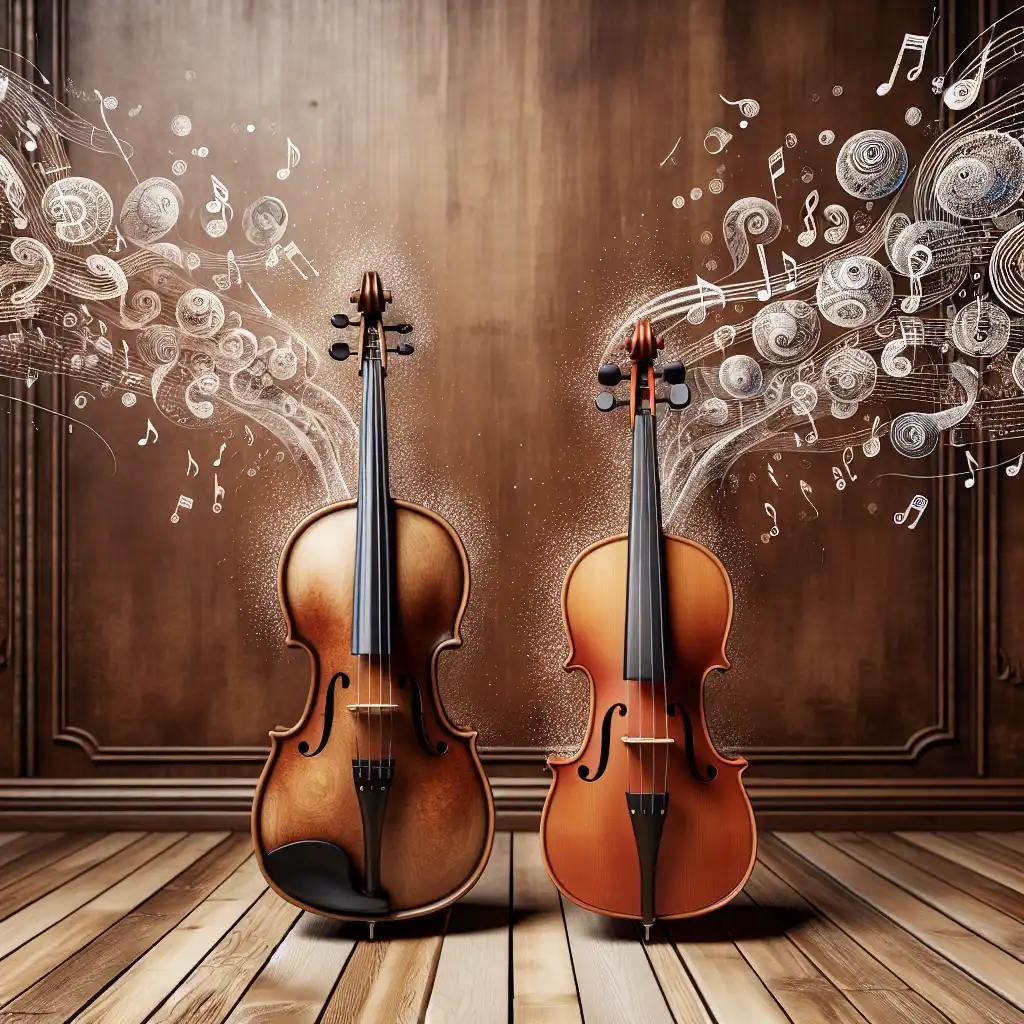
In music, the quality of sound that distinguishes one instrument or voice from another.
The violin and the cello have different timbres.
No se pudo cargar el audio. Inténtalo de nuevo más tarde.
Timbre is a word that we use to describe the quality of a sound. It helps us differentiate between different types of sounds that come from different sources. For example, the sound of a guitar has a different timbre than the sound of a piano because they are different types of instruments. When we talk about timbre, we're focusing on things like the tone, texture, and character of a sound. It's a useful term to know if you're interested in music, sound engineering, or simply want to be more descriptive when talking about sounds.
Character refers to the unique qualities or attributes of someone or something that make it distinct and recognizable.
For example, a person may have a kind character, while a story may have a dark character.
Character refers to a person or thing's unique qualities and timbre refers to the unique sound qualities of music or voice.
Abrir palabra: Character →Both colour and timbre are used to describe the sound of something or someone.
However, colour typically refers to the overall sound quality of music or a musical instrument, while timbre refers to the unique characteristics of a sound that allow you to distinguish between different instruments or voices.
For example, if you listen to a piano and a guitar playing the same note, you can hear that the sound of the piano is more "colorful" than the guitar - this is because the piano has a wider range of harmonics, or overtones, that give it a richer sound.
Colour is a more general term used to describe the overall sound of something, while timbre is a more specific term used to describe the unique qualities of a particular sound.
Abrir palabra: Colour →Pitch refers to the highness or lowness of a sound. It is determined by the frequency of the sound wave, where a higher frequency produces a higher pitch and a lower frequency produces a lower pitch.
Pitch is measured in hertz (Hz) and describes musical notes and voices.
In other words, pitch is about how high or low a sound is, while timbre is about the unique characteristics that make a sound distinguishable from others.
Pitch is applicable in music to describe melodies and harmonies, while timbre is applicable in the description of instruments and voices.
Abrir palabra: Pitch →Quality refers to the general characteristics of a sound, such as whether it is loud or soft, high or low.
In simpler terms, quality describes how good or bad something is, while timbre describes how distinct or unique a sound is.
Abrir palabra: Quality →Resonance refers to the quality of a sound that makes it seem deep, full, and rich. It is the result of sound waves bouncing back and forth between two surfaces or objects.
For example, the resonance of a guitar string is what gives it a certain pitch or tone.
Resonance describes the characteristics of the sound being produced, while timbre describes the quality that distinguishes one sound from another.
Abrir palabra: Resonance →Sound refers to the vibrations and waves that travel through the air and are picked up by our ears. It is a general term that describes any noise we hear.
Timbre refers to the unique quality or color of a sound. This is what allows us to distinguish between different instruments or voices, even when playing the same note.
Sound is a general term for any noise we hear while timbre refers to the unique quality of the sound that allows us to distinguish between different sources of sound.
Abrir palabra: Sound →Texture refers to the way sound or music feels or sounds when all the different instruments or parts are played together.
In simpler terms, if we compare music to a cake, texture would be the layers of frosting, filling, and cake itself, while timbre would be the flavor or taste that each layer contributes to the overall cake.
Texture is applicable when talking about the overall structure and composition of music, while timbre is more applicable when describing individual instruments or voices within a piece of music.
Abrir palabra: Texture →Tone is the pitch or frequency of a sound. For example, if we played the note C on a piano and guitar, even though they’re both playing the same note, the timbre of those notes would sound different.
The piano might sound more rich and full, while the guitar might sound brighter or twangy. Tone, however, would refer to whether the note being played is a high or low pitch.
Abrir palabra: Tone →How to speak so that...
Ver en YouTube ↗Or the other process that is important is that I compress longer sections of composed music, either found or made by myself, to such an extent that the rhythm becomes a timbre, and formal subdivisions become rhythm.
What’s a squillo and...
Ver en YouTube ↗The pitch, timbre, volume, speed, and cadence of your voice, the speed with which you speak, and even the way you modulate pitch and loudness, are all hugely influential factors in how convincing you are and how people judge your state of mind and character.
Geekiness is that feeling of overwhelming passion for that thing in life that you focus on. Whether it be a nephew's first few steps or the timbre in one's voice when discussing the latest Cohen brothers film.
I listen to the timbre of the music, and I fit my voice to blend with that timbre.
As soon as I choose the timbre of an instrument, that dominates how I compose.
I sometimes am challenged to imagine where the timbre of art should be. Should it be about objects that point to this current moment, or how objects are related to ideas of this current moment?
Sometimes writing has to be forced. In starting out, the shape and timbre and texture of what is to come is an uncertain chimera shimmering from behind a veil. You must not wait, loiter, dilly-dally. You must force your way painfully through.
I feel like the timbre of your voice as a woman doesn't cut through as well as a loud bassy voice, so you need to noticeably speak up.