machismo
noun machismo
mɑːˈtʃiːzməʊ,mɑːˈkiːzməʊ
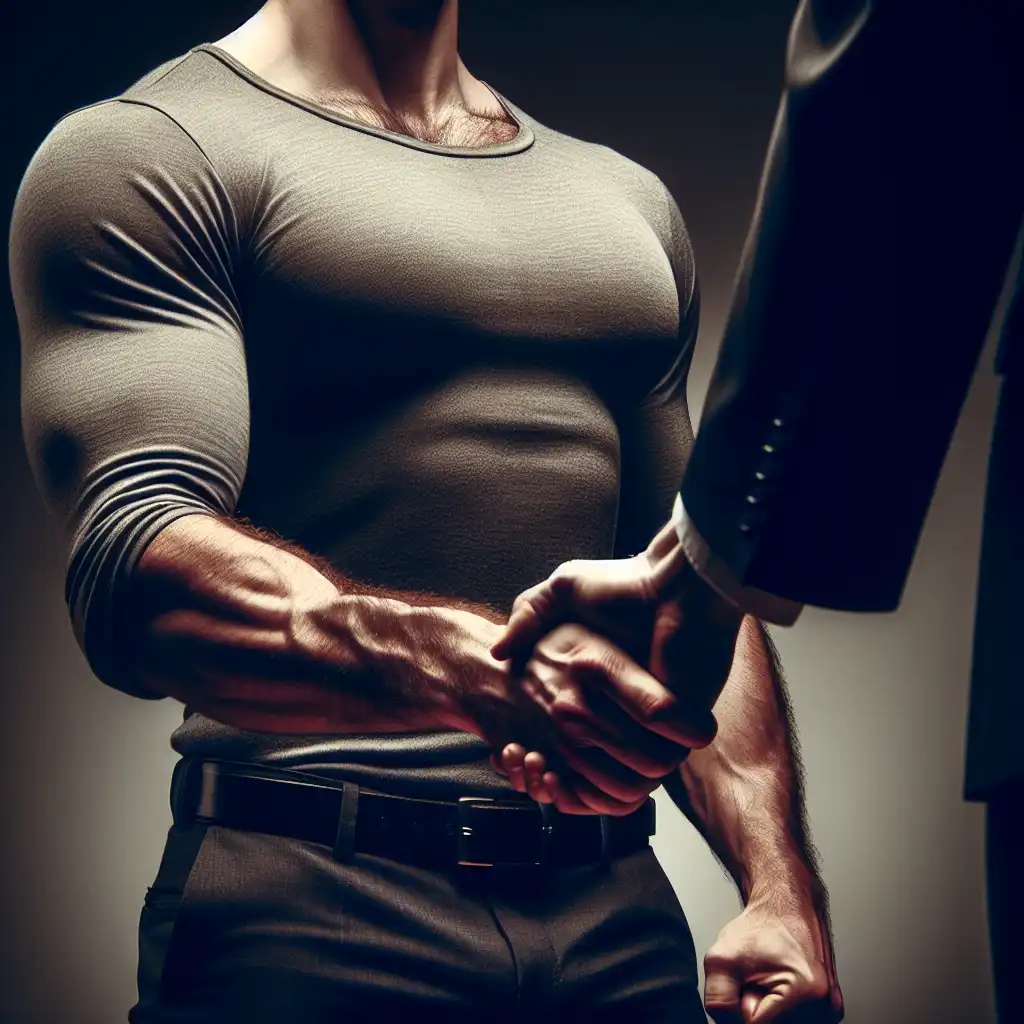
A strong or aggressive male pride.
His machismo became a huge problem when he refused to admit he was wrong.
machismo
mɑːˈtʃiːzməʊ,mɑːˈkiːzməʊ
読み込み中…
mɑːˈtʃiːzməʊ,mɑːˈkiːzməʊ
A strong or aggressive male pride.
His machismo became a huge problem when he refused to admit he was wrong.
mɑːˈtʃiːzməʊ,mɑːˈkiːzməʊ
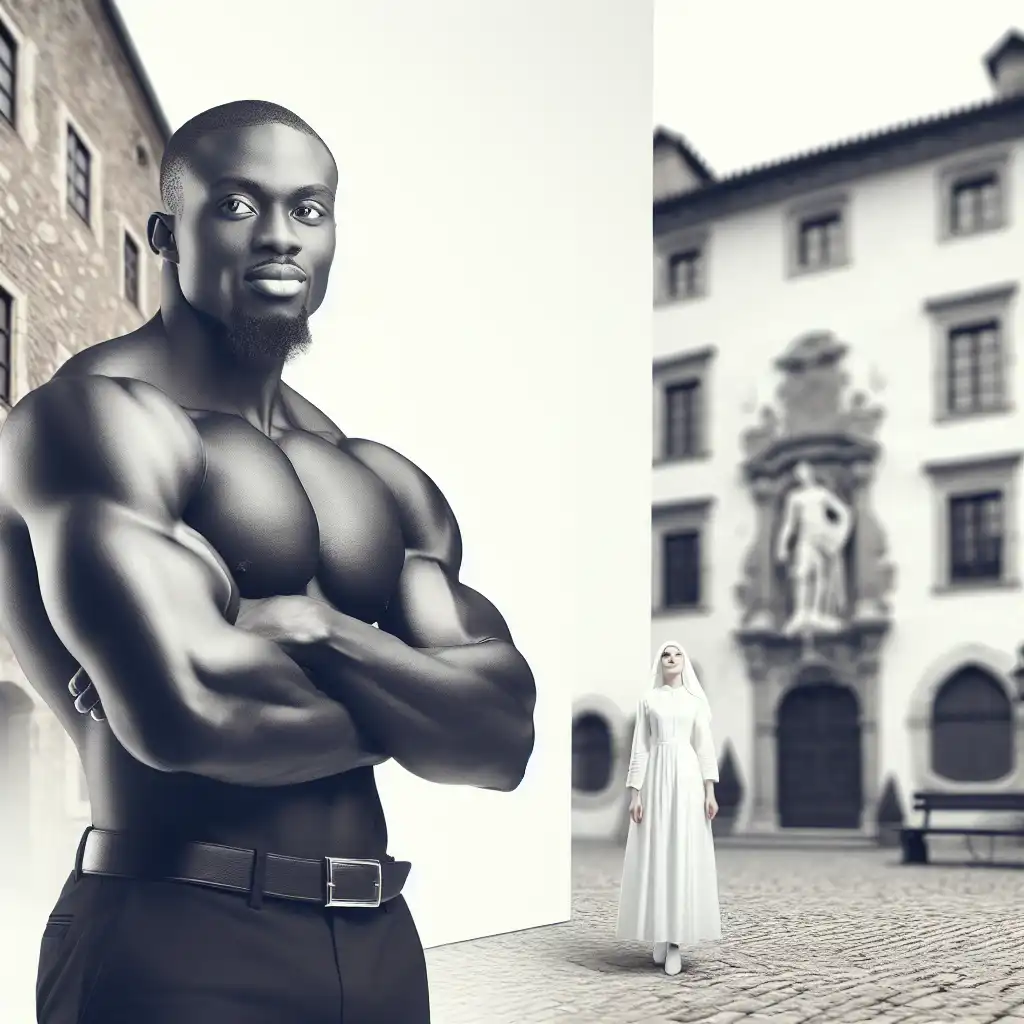
Attitude of men who want to show their strength and superiority over women.
Many believe that films often promote a machismo attitude, where the male heroes are dominant and brave.
mɑːˈtʃiːzməʊ,mɑːˈkiːzməʊ
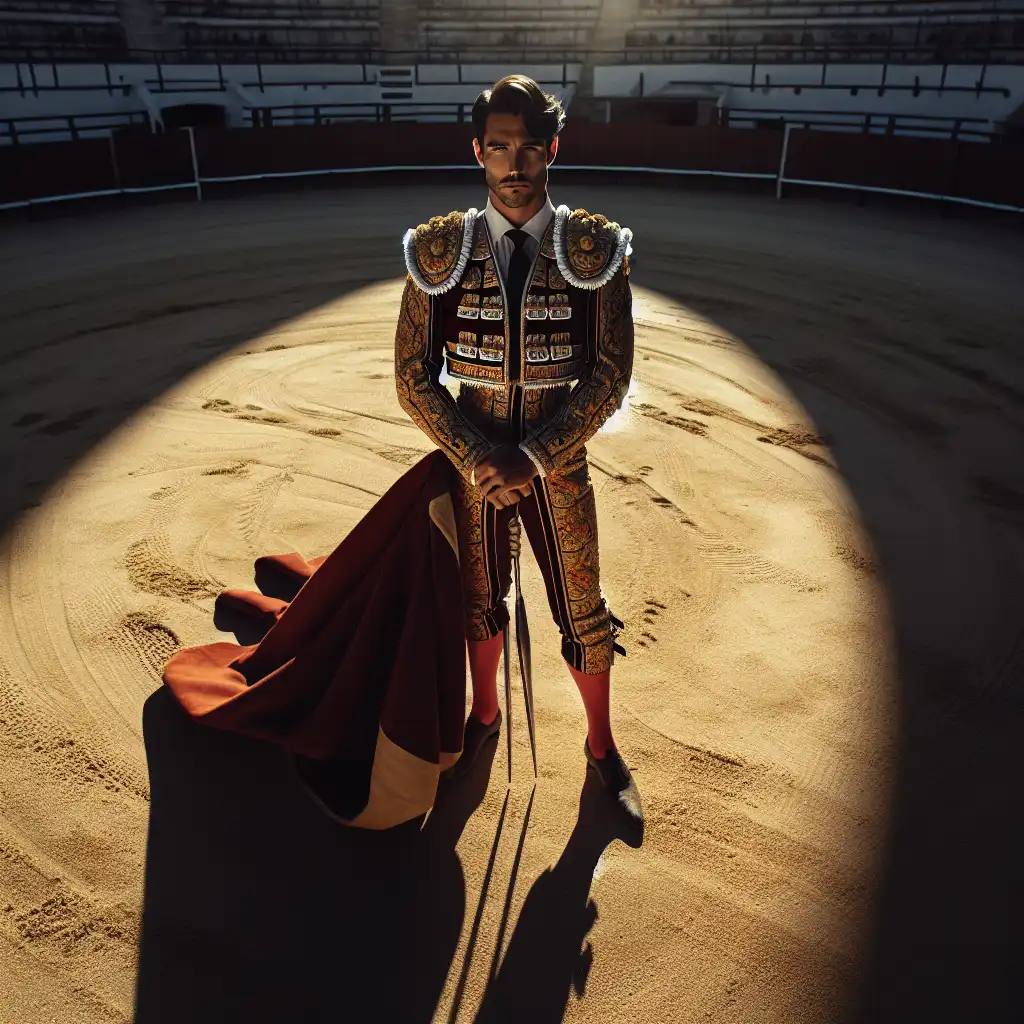
A male behavior that values bravery, assertiveness, and pride in one's masculinity.
The bullfighter was admired by many for his machismo.
音声を読み込めませんでした。しばらくしてからもう一度お試しください。
The word 'machismo' is used to describe a behavior or attitude where a man thinks he is superior to women and expects to be treated that way. This can sometimes result in aggressive or controlling behavior towards women. The word is often used in discussions about gender roles and equality. It is important to understand that this behavior is not acceptable and goes against the idea of treating all people with respect and dignity.
Chauvinism refers to the belief that one's own group or country is superior to others, and often involves prejudice or discrimination against other groups.
Chauvinism is a broader term that can refer to a range of superiority beliefs, while machismo specifically refers to beliefs about gender superiority.
単語を開く: Chauvinism →Hegemony refers to the control or dominance of one group or country over others, often through political or economic means.
Hegemony refers to the control of one group over another, while machismo refers to the traditional masculine roles and behaviors.
単語を開く: Hegemony →Patriarchy refers to a social system in which men hold power and are the dominant force in society. This system typically promotes the subordination of women and reinforces gender stereotypes and inequalities.
Machismo refers to a cultural attitude or belief, while patriarchy refers to a social system. Machismo is applicable mainly in Latin American cultures, whereas patriarchy is applicable globally.
単語を開く: Patriarchy →Why I'm done trying to...
YouTube で見る ↗I'm not a model; hence I don't see the reason to have a six-pack abs. I can pull off a tough and rugged look of a cop in 'Dhoom' series without taking my shirt off. Cops don't have to move around without a shirt to flaunt their machismo. What makes the character of a cop stand out is his attitude and not his six-pack abs.
Epic Zebra Fight For...
YouTube で見る ↗In the '60s we fought for peace, when the Vietnam war was on. We were against the cops and against the politicians, and there was a lot of waving banners and all that. And I think in a way, just as they were enjoying that machoism of war, we were enjoying the machismo of being anti-war, you know?
Where do new words come...
YouTube で見る ↗The tragedy of machismo is that a man is never quite man enough.
Though hot sauce preferences are personal, I'm pretty open to all styles. All except stunt sauces, that is - you know, sauces that are primarily designed to test your machismo.
Sweetness is the opposite of machismo, which is everywhere - and I really don't get on with machismo. I'm interested in sensitivity and weakness and fear and anxiety because I think that, at the end of the day, behind our masks, that's what we are.
When societies go backwards and slide into authoritarianism, nationalism, and tribalism, machismo and sexism are also emboldened.
I think it's all machismo - 'Come on, you've got to guard your guy, man. If you can't guard your guy, then you can't play defence.' A lot of it is accountability, where you say, 'Hey, you're matched up with him. Go do your job.' The zone kind of sometimes moves a lot of pieces around.
I think it's fascinating that I receive attention for what people perceive to be a level of manliness or machismo, when amongst my family of farmers and paramedics and regular Americans, I'm kind of the sissy in my family.
I actually don't think there is machismo in America, unless it's the cowboy type - the silent, smoking brooder.
So much of Hollywood is this kind of overly machismo, nonsensical view of masculinity, which I just don't find honest. I think it's this idea of - you know, we're told, well, 'Be a man, be a man.' But what does that mean, exactly? Does that mean you can't carry yourself with any fear? That you can't acknowledge that you're scared?