
oblique
adjective oblique
əˈbliːk
Not straight or direct, like a line or path
She cast me an oblique glance
oblique
əˈbliːk
Chargement…
əˈbliːk
Not straight or direct, like a line or path
She cast me an oblique glance

əˈbliːk
Not expressed directly
His speech had an oblique reference to his own career

əˈbliːk
A muscle neither parallel nor perpendicular to the long axis of a body or limb.
He strained his oblique during the workout
əˈbliːk
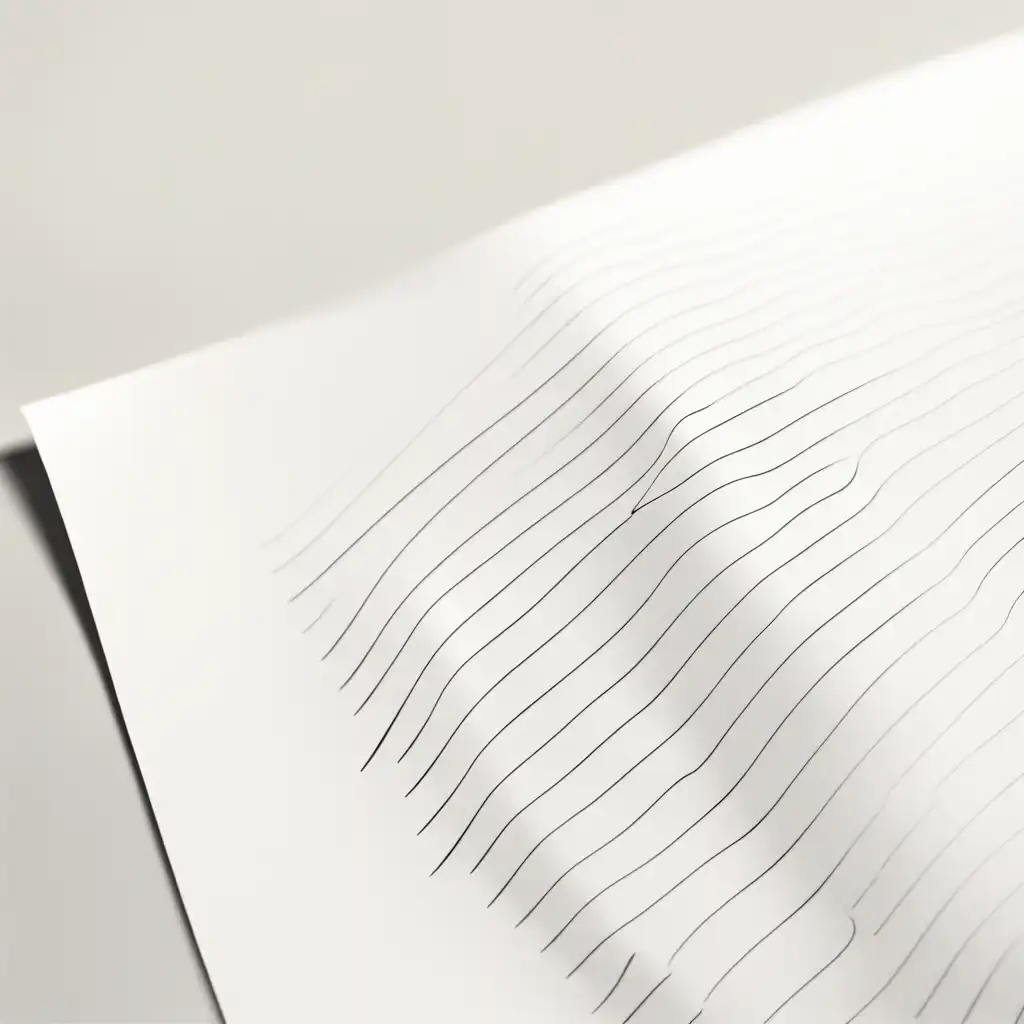
Slanting but not horizontal or vertical
An oblique line across the page
əˈbliːk
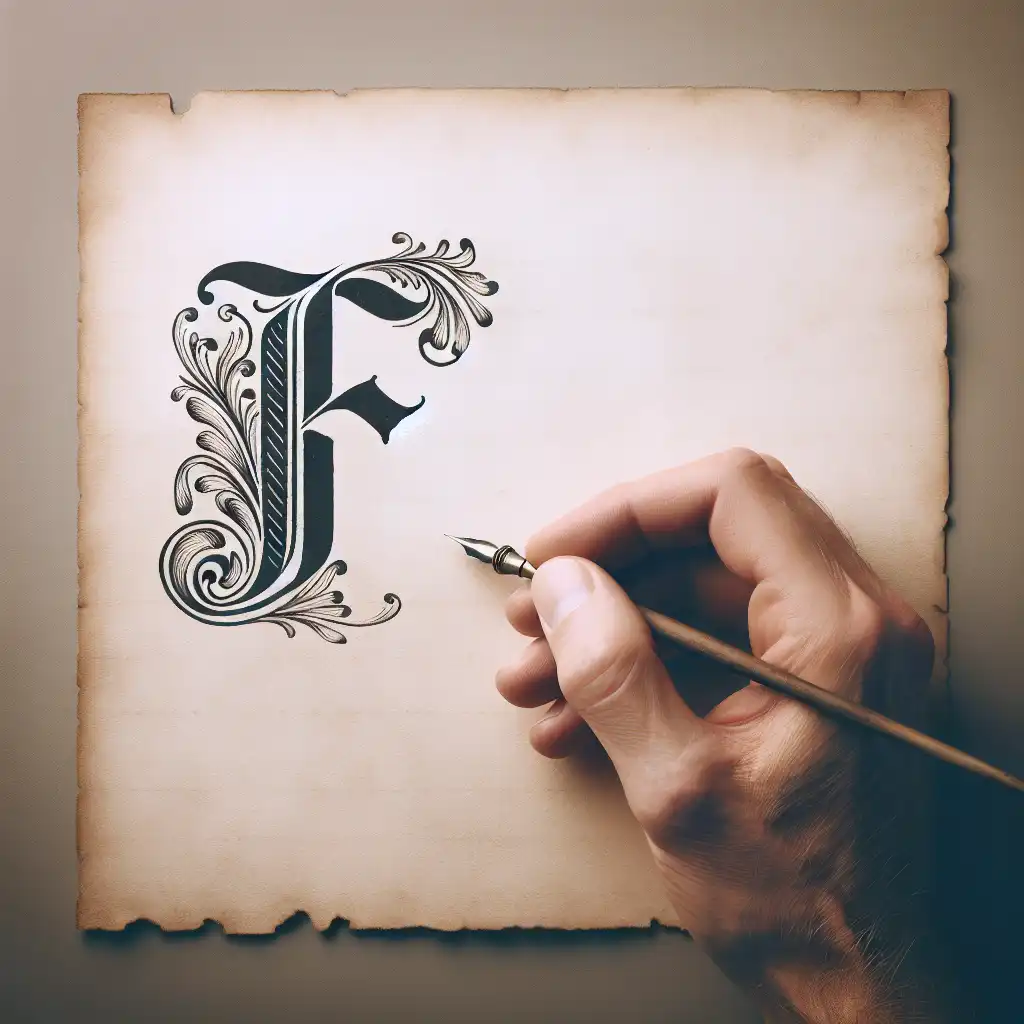
A typeface with characters that slant to the right
I used the oblique typeface to emphasize the heading
Impossible de charger l’audio. Réessayez plus tard.
The word 'oblique' means something that is not straightforward or direct. It is often used to describe language or behavior that is indirect, hinting at something without directly saying it. For example, a politician might use oblique language when discussing a controversial topic, in order to avoid offending anyone directly. The word can also refer to a line or angle that is not perpendicular or parallel. A building might have an oblique wall, meaning it is at an angle rather than straight up and down. Overall, 'oblique' is a word that suggests a lack of directness or straightforwardness in language or physical structure.
Angle is a term used in geometry to describe the measure of the space between two lines or surfaces that meet. It is commonly used in mathematics to describe the shape or position of objects.
For example, the corners of a square or a triangle are angles.
Oblique describes an angle that is not perpendicular or straight.
It is typically used to describe lines or surfaces that are not parallel or perpendicular to each other. For example, if you tilt a rectangle, it becomes an oblique rectangle because its corner angles are no longer right angles.
In simpler terms, an angle is a measure of space, while oblique refers to something that is not straight or perpendicular.
Angles are applicable in geometry, mathematics, and other fields that deal with spatial relationships, while oblique is often used in architecture, engineering, and design to describe something that is sloping or inclined.
Ouvrir le mot: Angle →Askew refers to something that is crooked, slanted or tilted, usually unintentionally or by accident. For instance, if a picture frame is hanging slightly tilted on a wall, you would say it is askew.
If something is askew, it means it's not straight and unintentionally crooked, whereas if something is oblique, it means it's intentionally slanted or angled.
Ouvrir le mot: Askew →Diagonal and oblique both refer to directions that are not straight up, down, left or right.
Diagonal generally refers to a line or direction that goes from one corner to another, but still maintains a rectangular shape in its path.
Ouvrir le mot: Diagonal →Incline means to slope or lean towards a particular direction. It indicates a gradual or gentle movement in a certain direction.
For example, a road could incline upwards towards a hill.
Incline suggests a gradual slope or tilt, while oblique refers to an angle or slant. They are both useful when describing the physical orientation of objects or surfaces.
Ouvrir le mot: Incline →The words indirect and oblique are both used to describe something that is not stated directly or in a straightforward manner.
However, indirect implies that the information is simply not expressed clearly, while oblique suggests that it is deliberately unclear or ambiguous.
For example, an indirect statement might be something like, "I heard that John might not be coming to the party." This implies that John may not be coming, but it is not stated directly.
Indirect suggests that the information is not clearly stated, while oblique suggests that it is deliberately ambiguous.
Ouvrir le mot: Indirect →Oblique means slanting or not straight, while the word sidelong means directed to the side.
Both words can describe something or someone that is not facing or moving directly forward, but oblique indicates a different angle or slope, while sidelong implies a specific direction to the side.
For example, if someone is looking at you from the corner of their eye, you might say they gave you a sidelong glance. If a building has sloping walls, you might say it has an oblique design.
Oblique refers to a more general slanted or angled direction, while sidelong focuses specifically on something facing to the side.
Ouvrir le mot: Sidelong →Both oblique and slant denote a diagonal position or direction, but oblique describes something that is not straight or perpendicular, while slant refers to something that is at a distinct angle or slope.
For example, if a line is slightly slanted, we might describe it as "tilted," while if a building has an intentionally oblique angle, it might be described as "leaning" or "zigzagging."
Essentially, oblique implies a lack of regularity or symmetry, while slant implies a specific, measurable angle.
Ouvrir le mot: Slant →Veer typically means to change direction suddenly, often used to describe the movement of a vehicle or a person. For example, "The car veered off the road and into a ditch.".
Oblique describes something that is at an angle, whereas veer describes a sudden change in direction.
Ouvrir le mot: Veer →C.K. Williams: Poetry...
Voir sur YouTube ↗Writing for children, you do bear a responsibility to not include overt or graphic adult content that they are not ready for and don't need, or to address adult concepts or themes from an oblique angle or a child's limited viewpoint, with appropriate context, without being graphic or distressing.
The oblique paradox of propaganda is that the lie in the throat becomes, by repetition, the truth in the heart.
The impulse to write comes, I think, from a desire - perhaps a need - to give imaginative life to experience, to share it with the reader, not to cover up the truth but to deliver it obliquely.
There never was a woman who did not prefer an oblique compliment to a straight truth - if the latter were unflattering.
There's always something at least a little smug about self-reference - magazine articles about idealistic journalists, TV shows about TV actors, ironic films within ironic-er films: all this meta-media populated by thinly disguised characters making oblique inside jokes.
Internal and external obliques form your sides and waist. Your external obliques sit closest to the surface toward the front of your waist, with the internal obliques sitting deeper and closer to your back. Toning them shrinks your waistline and love handles.
Painting will have to deal more fully and less obliquely with life and nature's phenomena before it can again become great.
I am oblique; I think that has to do with my own nature. I like trying to do things which work on many levels, because I think it is terribly important to give an audience a lot of things they might not get as well as those they will, so that finally the film does take on a texture and is not just simplistic communication.
Scott Bradfield writes weird, oblique, unsettling stuff.
Talk ought always to run obliquely, not nose to nose with no chance of mental escape.