flavour
noun flavour
ˈfleɪvər
The taste of something, or the way it smells.
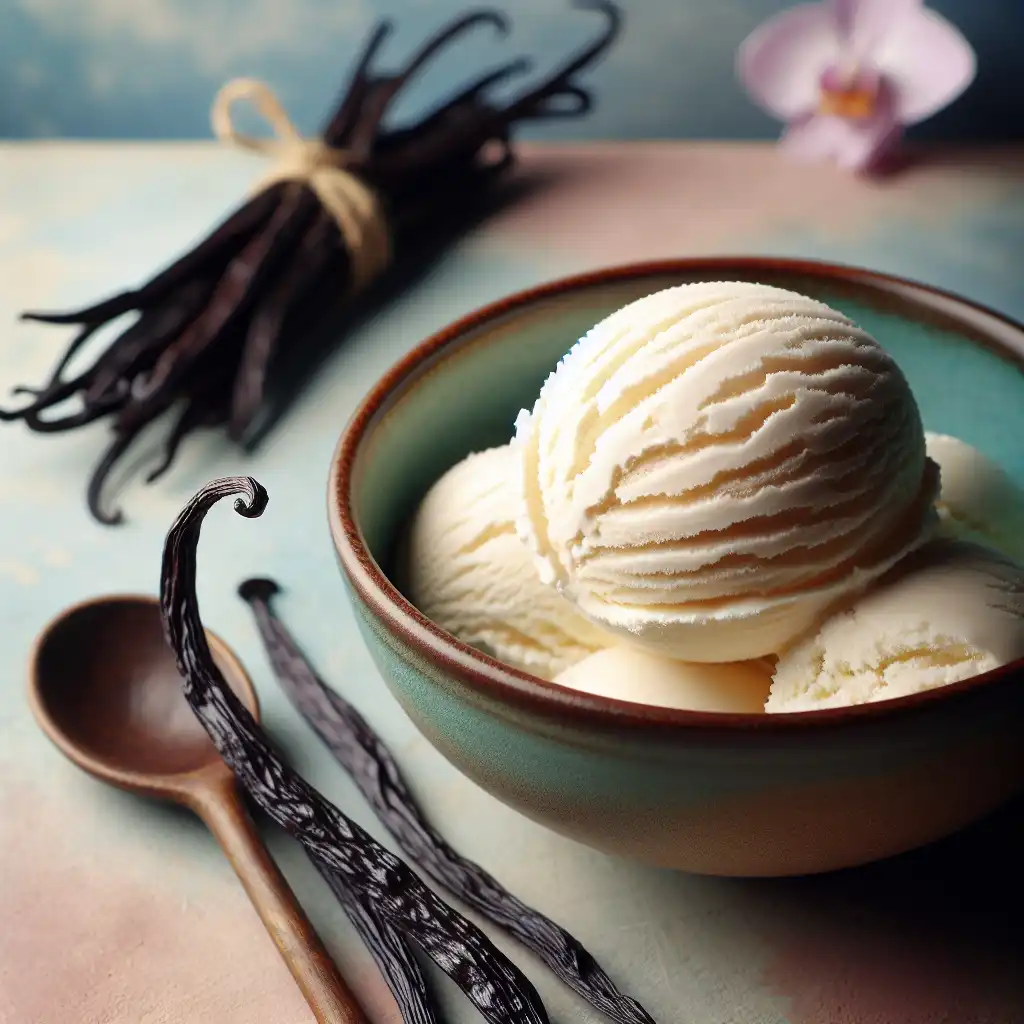
This ice cream has a rich vanilla flavour.
flavour
ˈfleɪvər
불러오는 중…
ˈfleɪvər
The taste of something, or the way it smells.
This ice cream has a rich vanilla flavour.

ˈfleɪvər
A particular type of something.
The book had a distinct flavour of mystery and intrigue.
ˈfleɪvər
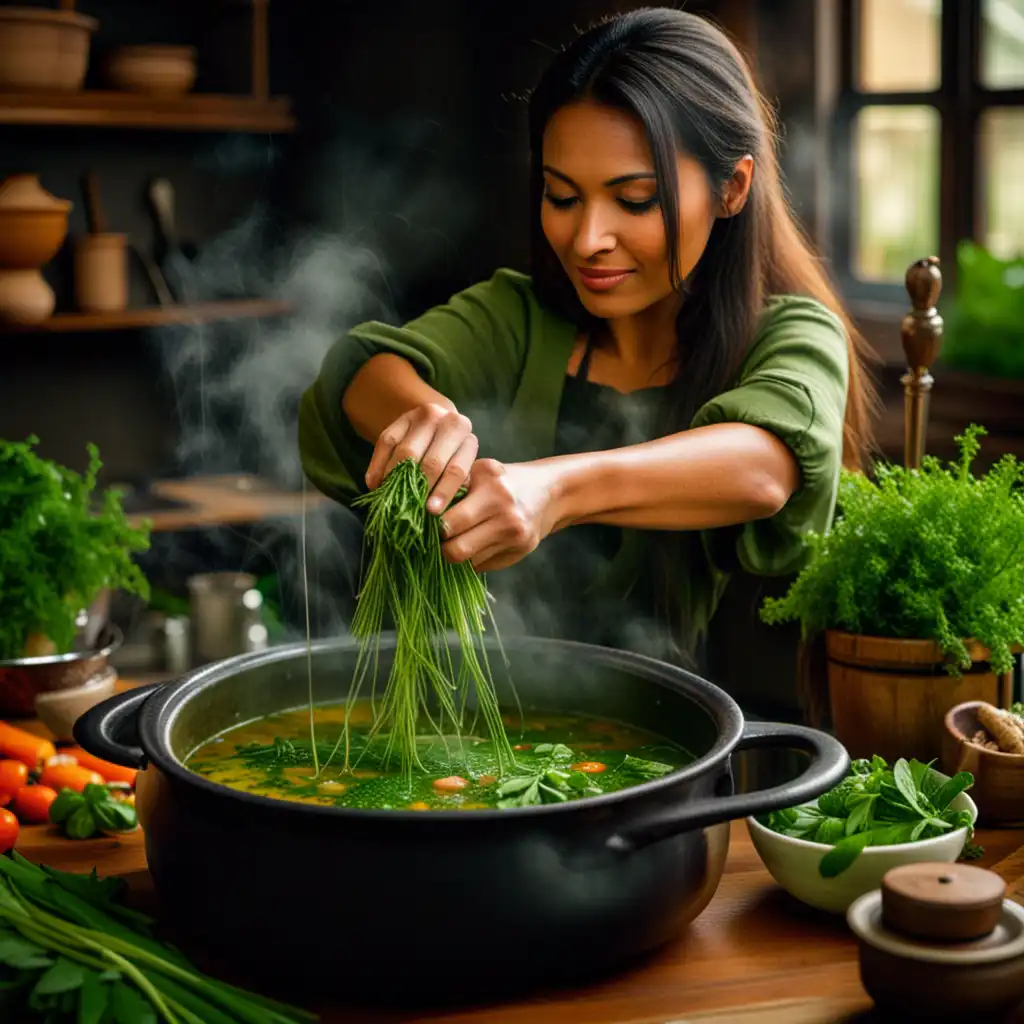
To give a particular taste to something.
She flavoured the soup with fresh herbs.
ˈfleɪvər
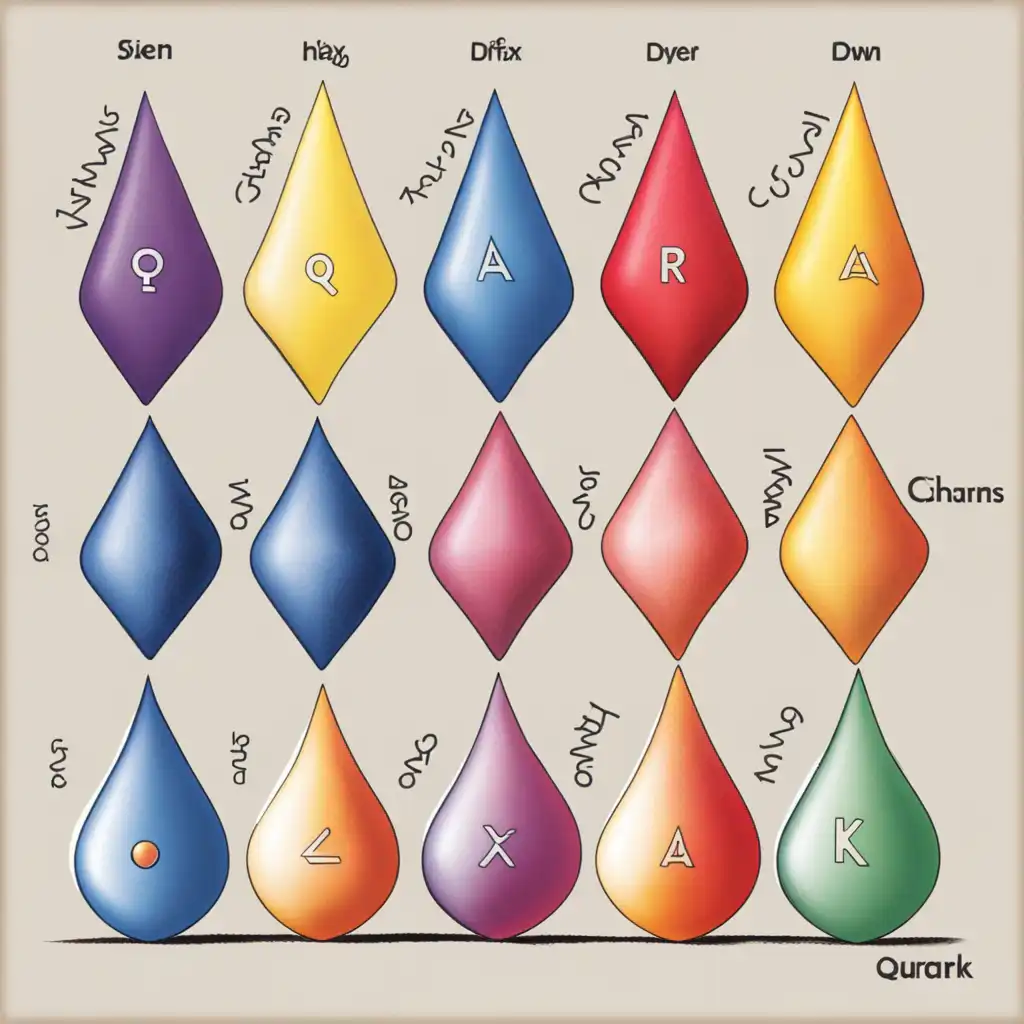
A property of quarks that affects their role in particle physics.
There are six flavours of quarks: up, down, charm, strange, top, and bottom.
오디오를 불러오지 못했어요. 잠시 후 다시 시도해 주세요.
The word 'flavour' is used to describe how something tastes or smells. For example, when we eat ice cream, we might say that it has a delicious vanilla flavour. We can also use the word to describe the taste of savory foods like meat or vegetables, or the smell of things like coffee or flowers. Basically, any time you want to talk about how something tastes or smells, you can use the word flavour.
Aroma refers to the smell or fragrance of something, while flavour refers to the taste or combination of tastes. Aroma is applicable when describing the scent of things like perfumes, flowers, or food, while flavour is applicable when describing the taste of food or drinks.
For example, a cake might have a vanilla aroma, but its flavour could be a combination of sweet, buttery, and vanilla notes.
단어 열기: Aroma →Bouquet refers to the smell of something, especially wine or flowers, while flavor refers to the taste of something. Bouquet is applicable when describing the aroma of wine or perfume, while flavor is applicable when describing the taste of food or drink.
Bouquet is about what something smells like, while flavor is about what something tastes like.
단어 열기: Bouquet →Essence refers to the fundamental nature or quality of something. It is applicable when describing the most important or basic part of something.
For example, the essence of a flower is its fragrance or the essential meaning of a poem.
Essence refers to the fundamental nature of something, while flavour refers to the distinct taste or smell of something, especially related to food or drinks.
단어 열기: Essence →Flavour refers to the taste or smell of something, while the word save means to rescue or protect something.
Save, on the other hand, is used when there is a need to protect or rescue something. For example, you might have to save someone from drowning or save your computer files from being deleted.
Flavour refers to the taste or smell of something, while save means to rescue or protect something. They are both used in different contexts and have different meanings.
단어 열기: Save →The word 'flavor' relates to taste, whereas season refers to enhancing the taste of a dish using spices or herbs. Flavor is the overall sensation of taste perceived by the tongue.
Seasoning is adding salt, pepper, or other seasonings to a dish to enhance its flavor. In summary, flavor is what you sense when you eat, while seasoning is what you add to the food to create that flavor.
단어 열기: Season →Tang is a strong, sharp and acidic taste or smell.
It can be described as a tartness or acidic bite. Tang is commonly associated with citrus fruits like lemons and oranges.
Flavour is the general taste of something while tang refers to a specific sharp, acidic taste or smell.
Flavour can be sweet, salty, bitter or sour while tang is usually associated with citrus fruits.
단어 열기: Tang →Flavor refers to the distinctive quality that a food or drink has, often related to its ingredients and seasoning. Taste refers to the way something feels in the mouth, including sweet, salty, sour, bitter, and umami.
So, flavor is a more general term, while taste refers specifically to the different sensations on the tongue. When you talk about the overall deliciousness of something, you might use the word flavor.
When you are describing the specific sensations you get when you taste something, you might use the word taste.
단어 열기: Taste →Flavour refers to the taste or essence of something, while zest refers to the outer part of a citrus fruit, which contains a strong, tangy flavor.
Flavour can describe the taste of anything, whereas zest is specifically related to the citrus fruit. People often use the zest to add flavor to dishes such as cakes, salads, and cocktails.
단어 열기: Zest →How sugar affects the...
YouTube에서 보기 ↗Truth has rough flavours if we bite it through.
The incredible...
YouTube에서 보기 ↗My whole life has a Jewish flavour.
Secret Formula of...
YouTube에서 보기 ↗I adore recipes that make use of one cut of meat or a whole animal to create a complex dish, loaded with flavour.
TV Presenter Eats...
YouTube에서 보기 ↗Life has a certain flavor for those who have fought and risked all that the sheltered and protected can never experience.
Elevating simple...
YouTube에서 보기 ↗I always had a lot of confidence in my work and the unique flavor I like to bring to my characters, but you know I'm not a huge dreamer.
Are food preservatives...
YouTube에서 보기 ↗I learned at a young age what chasing flavors meant, and I've been doing that my whole life.
The microbial jungles...
YouTube에서 보기 ↗For me, I'm not trying to be the flavor for everybody. But I'm just proud when people I respect or people that I want to be my fans are my fans.
What color is Tuesday?...
YouTube에서 보기 ↗I don't want to be the flavor, the passing thing that the girls scream at. I think that it's more important for me, honestly, that the guy who gets dragged to the show, you know, looks at his wife and says, thank you, that was great and tells his buddies.
What is MSG and is it...
YouTube에서 보기 ↗All my characters have their own political thoughts of the world around. If it is not in the script, I put it into them so that they become rooted to the local flavour.
The danger of AI is...
YouTube에서 보기 ↗I was never afraid of failure after that because, I think, coming that close to death you get kissed. With the years, the actual experience of course fades, but the flavor of it doesn't. I just had a real sense of what choice do I have but to live fully?