apse
noun apse
æps
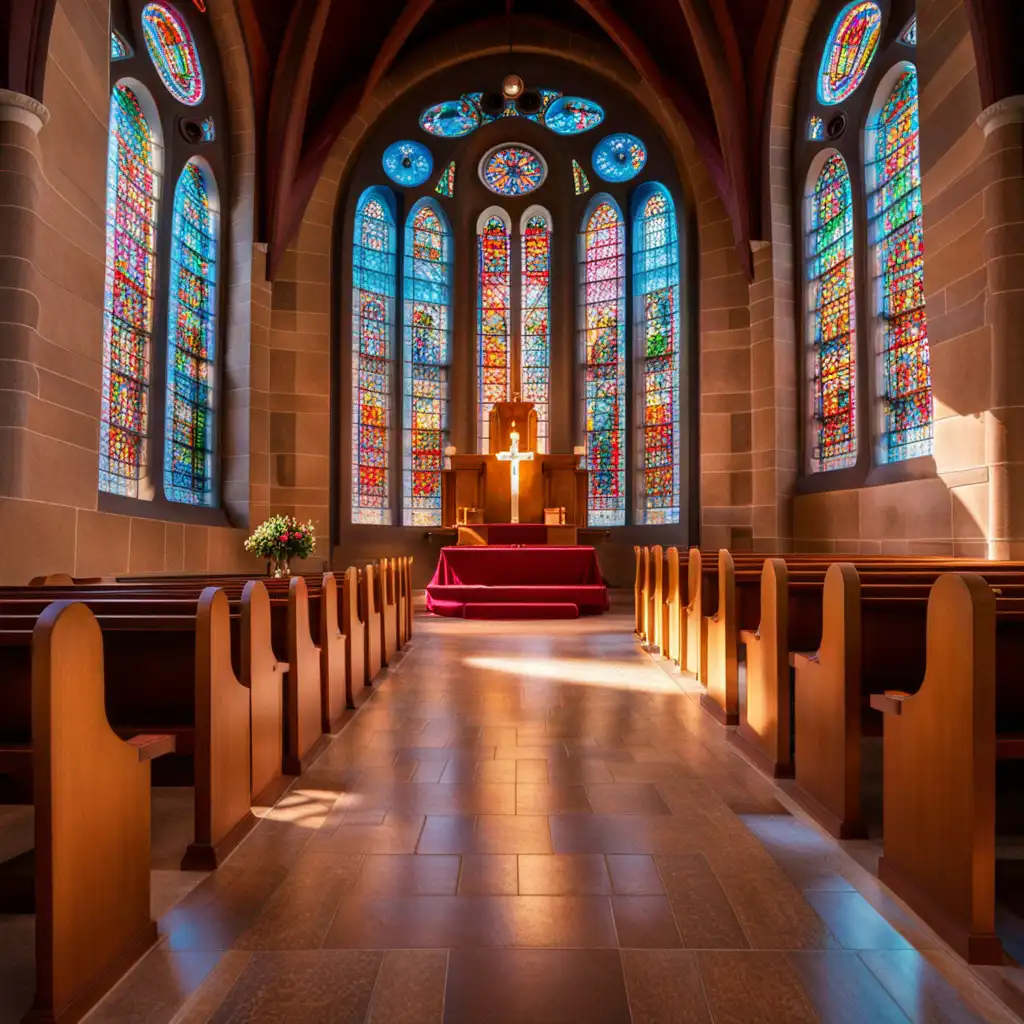
The rounded end of a church, often where the altar is.
The apse of the church had beautiful stained glass windows.
apse
æps
Loading…
æps
The rounded end of a church, often where the altar is.
The apse of the church had beautiful stained glass windows.

æps
A projection from a building, especially a rounded one.
The apse of the museum provided space for a new exhibit.
æps
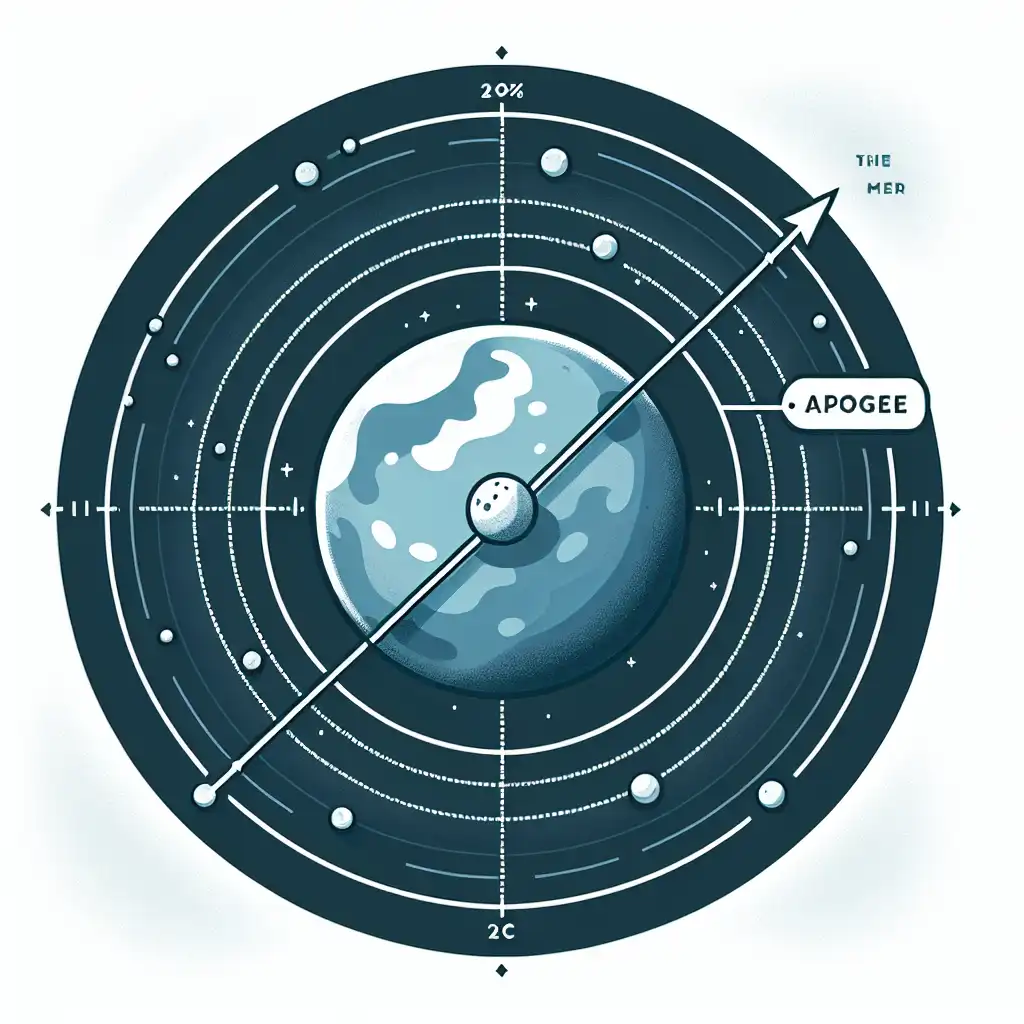
In astronomy, the point in the orbit of a planet or moon where it is furthest or closest to its host body.
At apogee, the moon's apse is at its furthest point from Earth.
Audio could not be loaded. Please try again later.
An apse is a part of a church or other building that's usually shaped like a semicircle. It's usually found at the end of a building and often contains an altar or some kind of religious symbol or artifact. The word can also refer to any other semicircular or polygonal structure, such as the end of a room or the shape of a bathtub. Essentially, if you see a curved structure that's vaguely semicircular in shape, it may be called an apse.
ambulatory refers to the ability to walk or move freely, typically used in the medical setting to describe patients who are able to walk around.
Ambulatory is related to movement and can refer to a covered walkway, while apse is related to religious architecture and refers to a semicircular recess.
Open word: Ambulatory →An apse is a semicircular or polygonal recess in a church that usually contains the altar, while a chancel is the area around the altar in a church, usually enclosed by a railing or screen.
In simpler terms, an apse is a part of the church that is typically rounded and holds the altar, while the chancel is the area around the altar that may be fenced off.
The term apse is specific to the architecture of a church, while chancel is a general term for the area around the altar in any type of religious building.
Open word: Chancel →A choir is a group of singers who perform together. In the context of a church or cathedral, the choir typically refers to the area between the nave and the sanctuary where the choir sits during services.
So, while an apse is a physical architectural feature of a building, a choir is a group of people who sing, and the choir area of a church or cathedral where they sing from.
Open word: Choir →A nave is the central part of a church or cathedral, often rectangular in shape, which extends from the main entrance to the edge of the apse.
The nave typically contains the pews or seating areas for the congregation.
An apse is a semicircular or polygonal recess where the altar is located, while the nave is the main central area of the church where the congregation sits.
Open word: Nave →A presbytery is the part of a church where the clergy, especially the priests and the bishop, sit during a religious service.
The apse is the area where the altar is located in a church, while the presbytery is the part of the church where the clergy sits during a religious service.
Open word: Presbytery →A sacristy is a room in a church where sacred vessels, vestments, and other sacred items are kept. It is a storage room for church items and is usually located near the apse or altar.
So essentially, an apse is a feature of the building itself and serves as a focal point for religious practices, while a sacristy is a separate room used to store items related to religious practices.
Open word: Sacristy →A sanctuary is the area of a church or religious building that is considered to be sacred or holy.
In simpler terms, an apse is a specific architectural feature, while a sanctuary is a broader concept that encompasses the entire sacred space of a religious building.
Open word: Sanctuary →