
quickstep
noun quickstep
ˈkwɪkstep
A quick and lively ballroom dance that involves fast footwork.
They surprised everyone by performing a quickstep in the middle of the party.
quickstep
ˈkwɪkstep
Cargando…
ˈkwɪkstep
A quick and lively ballroom dance that involves fast footwork.
They surprised everyone by performing a quickstep in the middle of the party.

ˈkwɪkstep
A music piece written in quick tempo that is used for quickstep dance.
The band played a quickstep that made everyone want to dance.
ˈkwɪkstep
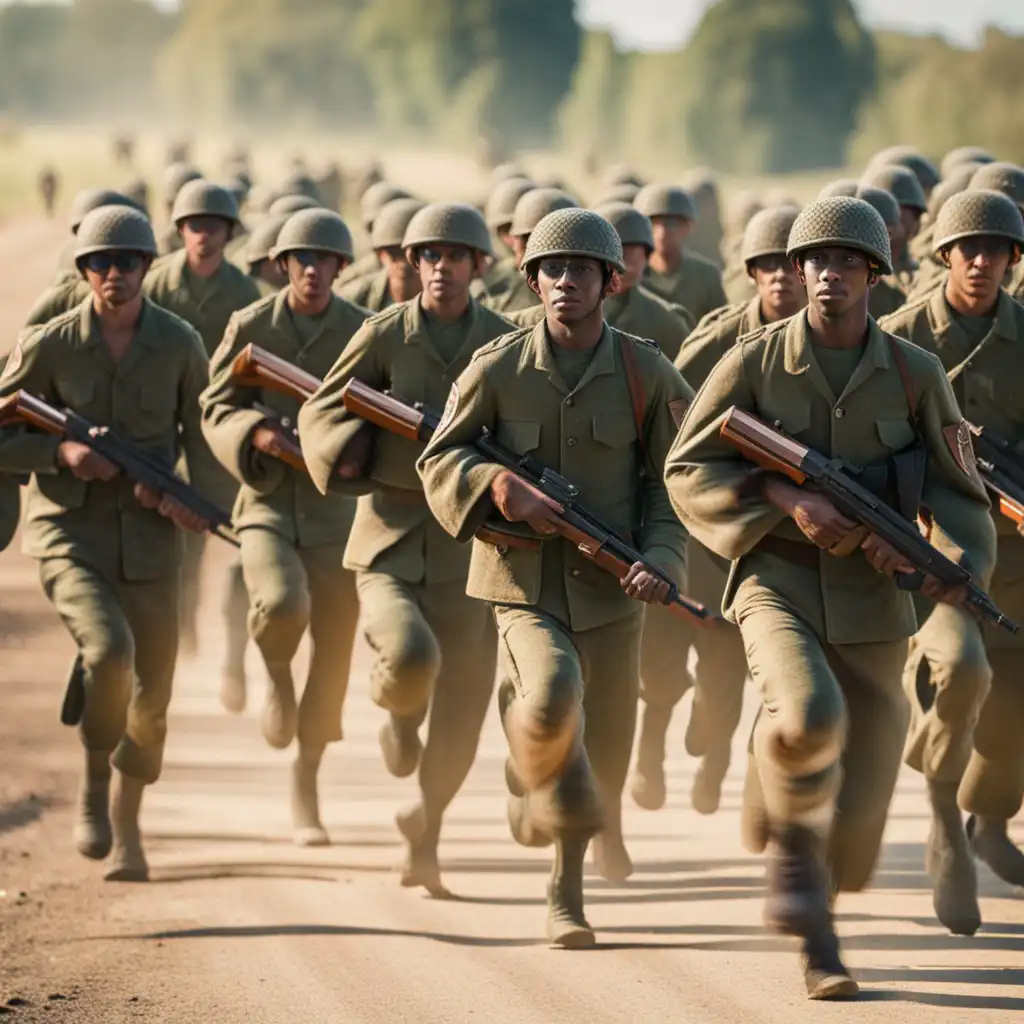
A sequence of steps in marching or walking at an increased speed.
The soldiers were ordered to advance in quickstep.

ˈkwɪkstep
To move or progress rapidly or at a brisk pace.
We had to quickstep across the platform to catch the train in time.
No se pudo cargar el audio. Inténtalo de nuevo más tarde.
Quickstep can be used in a few different contexts, but generally it refers to a type of dance or a fast-paced marching step. In terms of dance, the quickstep is a ballroom dance that originated in the 1920s and is characterized by a smooth and fast-paced rhythm with a lot of hops, skips, and quick movements. In a military context, the quickstep is a type of marching step that involves taking quick, short steps while swinging your arms. It's often used during parades or other formal ceremonies. Overall, quickstep refers to something that is fast-paced and energetic, whether it's a dance or a marching step.
Bustle refers to a hurried, energetic activity involving a lot of movements and noise.
It is often used to describe a busy environment, such as a crowded street or a bustling city.
Bustle can also describe someone who is in a hurry or moves quickly.
Bustle refers to a fast-paced activity or movement, whereas quickstep refers specifically to a style of dance.
Abrir palabra: Bustle →Dart refers to a quick and sudden movement, often in a straight line, such as an object flying through the air or a person quickly running towards something.
Dart describes a sudden and quick movement or throwing motion, while quickstep refers to a specific style of dance that involves quick footwork and movements.
Abrir palabra: Dart →Gallop is a type of fast horse movement where the horse lifts first one pair of legs and then the other, in a way that looks like it's hopping on three legs.
Gallop is applicable in horse riding while quickstep is applicable in ballroom dancing.
Abrir palabra: Gallop →Haste refers to the act of doing something quickly, often without taking the time to consider all the details or consequences.
So while haste is applicable in situations where speed is prioritized over everything else (like rushing to meet a deadline), quickstep is more applicable in situations where speed is combined with precision and elegance (like performing a dance routine).
Abrir palabra: Haste →Hurry means to move or act quickly or with haste.
Hurry is used when there is a need to respond urgently to a situation and quickstep is used in the context of dancing.
Abrir palabra: Hurry →Quickstep and rush both indicate a fast pace, but they are used in different contexts.
Rush usually implies a sense of urgency and haste. It suggests that there is limited time or opportunity, and a need to act quickly.
For example, you might rush to catch a bus or rush to finish a project before a deadline.
Quickstep applies to a specific type of dance, while rush applies to any situation that requires swift action.
Abrir palabra: Rush →Quickstep and scamper are both verbs used to describe ways of moving quickly, but they are used in different situations.
Scamper is a more playful and energetic word. It means to run quickly and playfully, like a small animal such as a rabbit or squirrel.
Scamper is often used when describing the way children or animals move around in a playful or excited way.
Quickstep describes fast and purposeful movement, while scamper describes fast and playful movement.
Abrir palabra: Scamper →Quickstep means to move quickly with light, small steps, while sprint refers to running at top speed for a short distance.
Sprint is used in the context of running or racing, and it's applicable when someone wants to move as fast as they can for a short distance.
For example, a sprinter in a track and field race would run very fast for a short distance, typically around 100 meters.
Quickstep involves moving quickly with small, light steps, and it's used in the context of dancing or walking. Sprint involves running as fast as possible for a short distance, and it's used in the context of running or racing.
Abrir palabra: Sprint →