consumption
noun consumption
kənˈsʌmpʃn
The act of using, eating, or drinking something
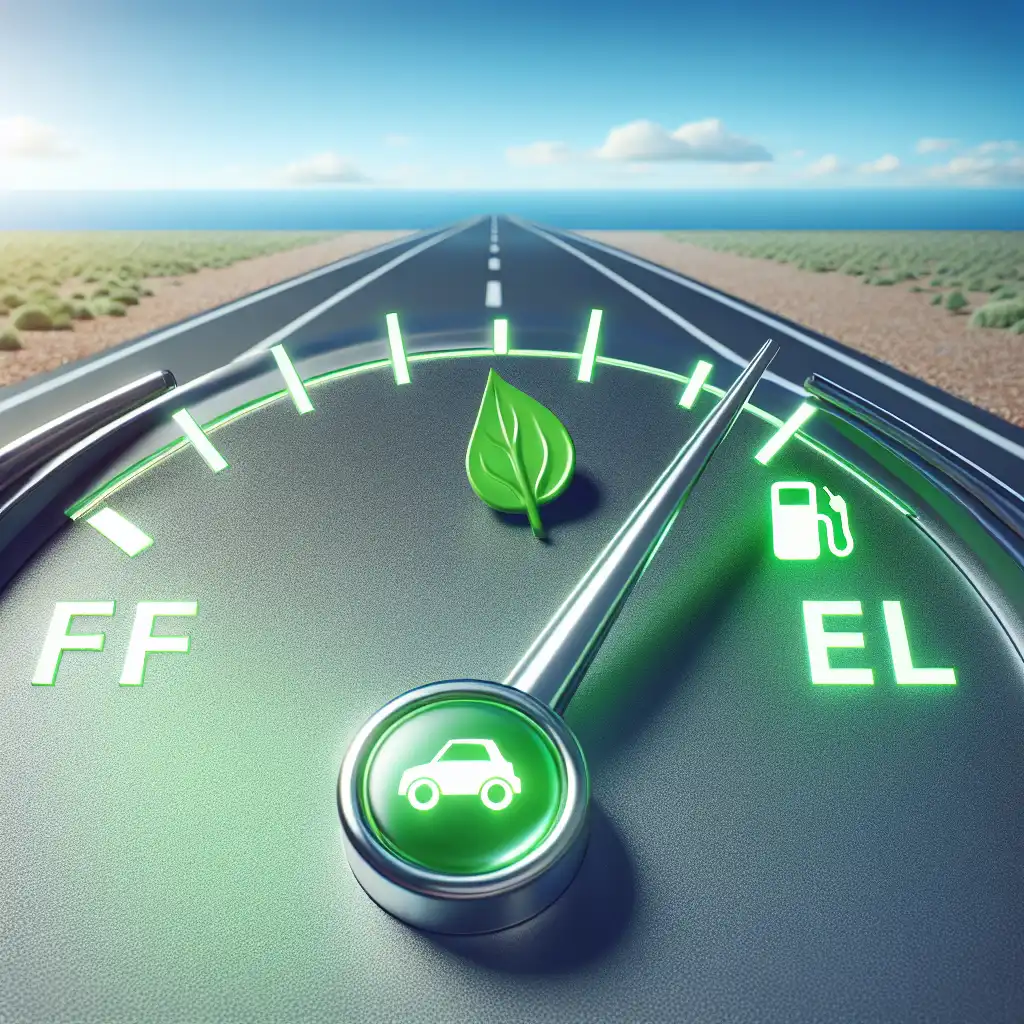
The car has a very low fuel consumption.
consumption
kənˈsʌmpʃn
불러오는 중…
kənˈsʌmpʃn
The act of using, eating, or drinking something
The car has a very low fuel consumption.
kənˈsʌmpʃn
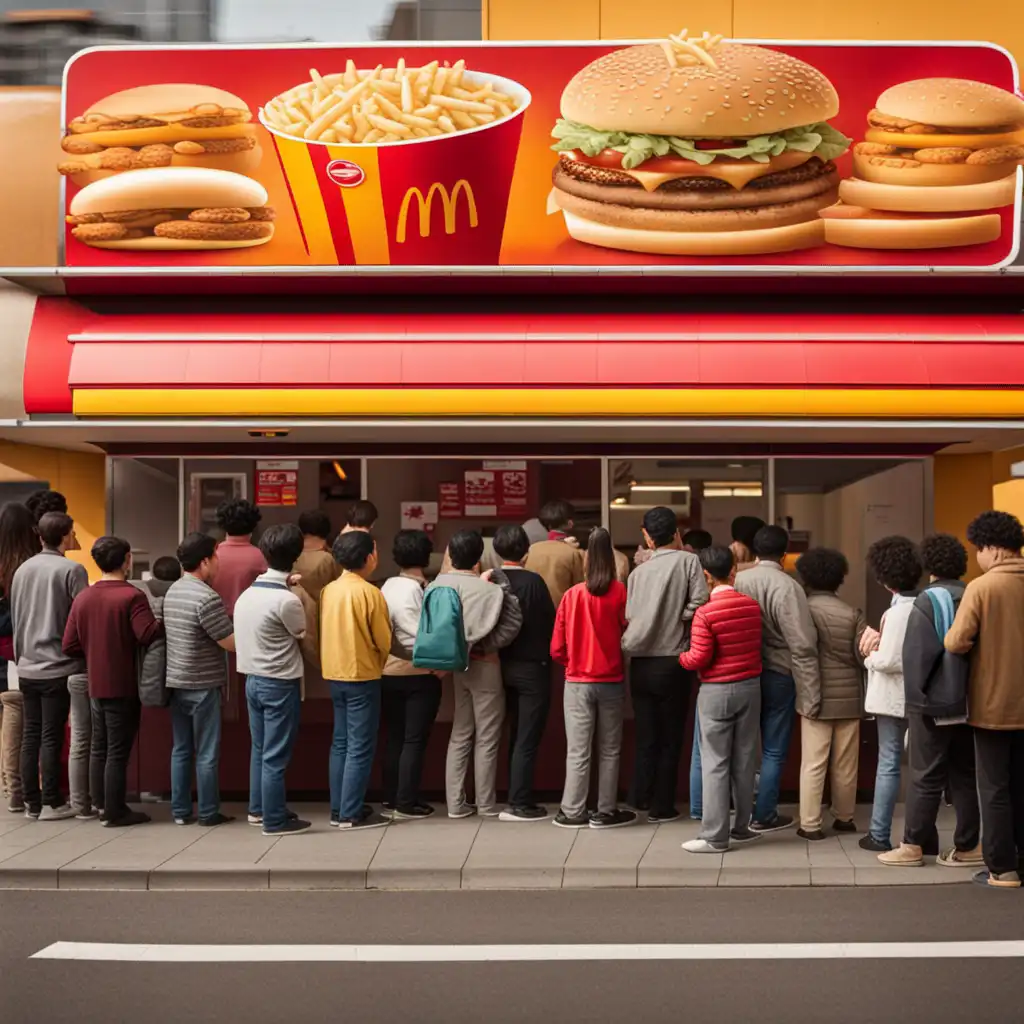
The act of buying goods or services
There has been a rise in the consumption of fast food.

kənˈsʌmpʃn
An old name for a disease that makes you thinner, lose strength, and cough a lot
In the 19th century, many people died of consumption.

kənˈsʌmpʃn
The act of wasting something such as time or money
The project resulted in the consumption of most of our budget.
오디오를 불러오지 못했어요. 잠시 후 다시 시도해 주세요.
Consumption refers to the act of using or utilizing something, especially a product or resource. It can also refer to the process of taking in food or drink, as well as the act of breathing in air. In everyday language, consumption is often used in relation to the purchase and use of products and services, such as the consumption of goods and services by individuals or the overall consumption of resources in a particular industry or economy. As an English learner, it is important to understand this term in context, as it is widely used in discussions of economics, business, and everyday life.
Consumption means the act of using or eating something, while deplete means to use up all of a resource or substance, often to the point of exhaustion or depletion.
For example, a person may consume a meal, while a country may deplete its natural resources. Consumption refers to a singular act of using something, while depletion suggests a continuous or ongoing process that eventually results in the exhaustion of the resource.
단어 열기: Deplete →Exhaustion refers to the state of being fully used up or depleted. It implies that there is nothing left of the item or resource, and it cannot be used again until it is replenished.
An example could be the exhaustion of a car's fuel tank, where the car is no longer able to move until more fuel is added.
Consumption refers to the gradual use of something over time, while exhaustion refers to the complete depletion of the same thing.
단어 열기: Exhaustion →Expenditure refers to the act of spending or using up money, time, or resources on something. It's applicable in terms of financial expenditure, where you spend money to buy things or pay for services.
Consumption is about using up or consuming things, while expenditure is about spending money, time, or resources.
단어 열기: Expenditure →Squander refers to the act of wasting something recklessly or carelessly. It often implies that something valuable, such as time or money, is being wasted unnecessarily.
Consumption is a positive action that is necessary for sustaining life and meeting basic needs. Squandering, however, is a negative action that can lead to harmful consequences, such as financial difficulties, environmental damage, or personal regret.
단어 열기: Squander →Usage refers more generally to the act of using something or the amount of something that is used. It does not necessarily imply that something is being used up too quickly or unsustainably.
For example, we might talk about the usage of a phone, computer, or tool in a way that describes how it is being used or how much it is being used without suggesting that it is being used up too quickly.
Consumption refers to the act of using something up, especially a resource that might be scarce, while usage refers more generally to how something is being used or how much is being used.
단어 열기: Usage →Consumption usually means the act of using something completely, especially food or drink. For example, when you eat a sandwich, you consume it.
Use is more general and can refer to any way that something is utilized or operated. For instance, when you use a phone, you may only use it for a short time before putting it down or turning it off.
Consumption is a specific form of use that often implies the use of an item until it is gone, while use is a more general term that refers to any way that something is utilized.
단어 열기: Use →Consumption means to use up completely or to eat, drink or use something, whereas utilize means to use for a specific purpose or to make the most effective use of something.
Utilize refers to making the best use of something for a specific purpose. It is applicable when we are talking about using resources efficiently, such as utilizing renewable sources of energy or utilizing the available resources in the best possible way.
Consumption means using something completely, whereas utilize means making the most of something.
단어 열기: Utilize →and has a similar fat content to human milk. In their natural environment, mammals secrete milk on call for immediate consumption by their young. But with the demands of thirsty consumers, the dairy industry has enlisted methods to step up production, enhance shelf life,
YouTube에서 보기 ↗Books constitute capital. A library book lasts as long as a house, for hundreds of years. It is not, then, an article of mere consumption but fairly of capital, and often in the case of professional men, setting out in life, it is their only capital.
probably nine and a half before we're done. More importantly changing diets. As the world becomes wealthier as well as more populous, we're seeing increases in dietary consumption of meat, which take a lot more resources than a vegetarian diet does.
YouTube에서 보기 ↗Obviously Tesla is about helping solve the consumption of energy in a sustainable manner, but you need the production of energy in a sustainable manner.
You can see our energy consumption is increasing as we want to preserve our lifestyle and people from developing countries are looking for better life quality. If we continue to rely on fossil fuels,
YouTube에서 보기 ↗Art is the production of objects for consumption, to be used and discarded while waiting for a new world in which man will have succeeded in freeing himself of everything, even of his own consciousness.
shift consumer demand to healthier consumption now everybody can see themselves in that question if I'm buy or sell food oh did you say consumer demand tell me more if I'm a health advocate oh did you say healthier consumption how can I help let's think
YouTube에서 보기 ↗The strong evidence is that we're running out of space. We're collectively affecting the world's climate. This is due to the still-growing human population and our increase in consumption.
due to dental problems nasal conditions or rarer ailments, such as liver disease and uncontrolled diabetes. Behaviors like smoking and excessive alcohol consumption also have a very recognizable odor. Regardless of cause,
YouTube에서 보기 ↗People think the world of music is so great, and it's just not. It's so boring, the way music is conceived and then declawed for public consumption.
whether from a tap or otherwise, is drinkable? Firstly too much turbidity, trace organic compounds, or high-density heavy metals like arsenic chromium or lead, mean that the water is unsuitable for consumption. A lot of contaminants like lead or arsenic,
YouTube에서 보기 ↗My paintings are very much about the consumption and production of blackness. And how blackness is marketed to the world.
Anything we do in the future will require energy, so Kardashev's scale classifies potential civilizations, whether alien civilizations out there in the universe or our own, into three levels based on energy consumption. The tiny amount of energy we currently consume
YouTube에서 보기 ↗Really, the proper study of economics is fulfilment, not consumption... It doesn't even matter if it's a green product or a green house... It's still consumption. What matters in this world is the fulfilment of people's needs and the fulfilment of their aspirations.
Namely we could reduce demand and that means reducing population -- I'm not sure how to do that -- or reducing per capita consumption. So let's talk about three more big levers that could really help on the consumption side. First transport. Here are the physics principles
YouTube에서 보기 ↗You can't care what anybody else thinks - even though your life is out there maybe for a bit of public consumption.
Whatever you call them these rubber-soled casual shoes are worn by billions of people around the world. Originally invented in the late 19th century, these simple canvas and rubber creations have changed a lot since they first hit the pavement. Today sneaker consumption is at an all-time high.
YouTube에서 보기 ↗Daily life is governed by an economic system in which the production and consumption of insults tends to balance out.
have actually gathered thousands of examples from all around the world of collaborative consumption. And although they vary enormously in scale maturity and purpose, when we dived into them, we realized that they could actually be organized into three clear systems. The first is redistribution markets.
YouTube에서 보기 ↗If there are not jobs or adequate forms of social protection, there is not enough income to create the consumption base that drives demand and sustainable economic growth.