
frivolity
noun frivolity
frɪˈvɑːləti
The quality or state of being not serious or having no real importance or value
His frivolity was often irritating for those who preferred serious discussions.
frivolity
frɪˈvɑːləti
Đang tải…
frɪˈvɑːləti
The quality or state of being not serious or having no real importance or value
His frivolity was often irritating for those who preferred serious discussions.
frɪˈvɑːləti
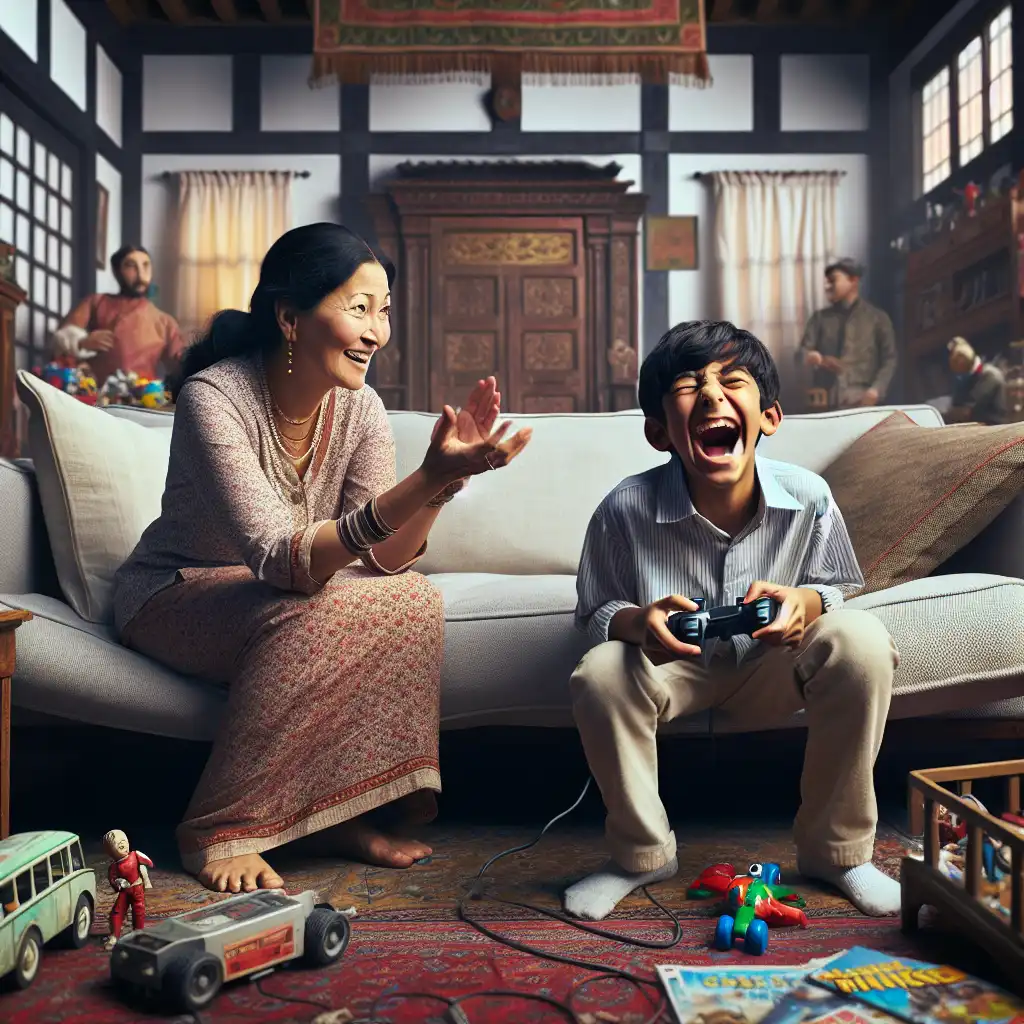
Something that is unnecessary or silly because it is not important or not serious
Mother always considered video games a frivolity.
Không tải được âm thanh. Vui lòng thử lại sau.
The word 'frivolity' means behaving in a way that is not serious or important. It can mean doing things that are not necessary or wasting time on things that do not matter. You can use this word to talk about people who spend a lot of time on meaningless activities instead of focusing on things that are important, such as work or school. For example, if your friend is always playing video games instead of studying, you could say that they are engaging in frivolity. It is a good word to use when you want to express disapproval of someone's behavior.
Flimsiness refers to something that is weak, insubstantial, or easily destructible. It is applicable when describing something that lacks strength or durability, such as a poorly made object or an argument that has little supporting evidence.
Mở từ: Flimsiness →Flippancy refers to a lack of seriousness or respect in situations that require it. It means making jokes or being sarcastic when it is inappropriate, disrespectful or insincere.
For example, if your friend's father passed away and you made a joke about it, that would be flippancy.
Flippancy is inappropriate humor or behavior in a serious situation, while frivolity is lightheartedness or playfulness that is not necessarily disrespectful.
Mở từ: Flippancy →Folly typically refers to behavior that is foolish or unwise. It suggests that the person involved is making a mistake or acting against their own self-interest.
For example, if someone invested all their money in a get-rich-quick scheme, you might say that they were acting with folly.
Folly is behavior that's foolish, while frivolity is behavior that's silly or trivial.
Mở từ: Folly →Insouciance refers to a lack of concern or worry. It describes a carefree attitude that is not necessarily associated with playful behavior.
Frivolity is about behavior that is not serious, while insouciance is about attitude that is not worried or concerned.
Mở từ: Insouciance →Levity refers to a sense of humor or lightness in a situation that may otherwise be serious.
Frivolity describes behavior that is deemed inappropriate or shallow while levity describes a positive sense of humor or lightness that can change the mood of a situation.
Mở từ: Levity →Frivolity refers to behavior that is silly, trivial or lacks importance; it is usually used in a negative way to describe someone who is not taking things seriously.
Light can refer to something that is not heavy, or to something that is easy-going or not too serious, but it does not necessarily have the negative connotations that frivolity does.
For example, a light book might be a fun read that isn't meant to be taken too seriously, but a 'frivolous' book might be one that lacks depth or substance.
Light is more versatile and positive than frivolity.
Mở từ: Light →Superficiality refers to a lack of depth or substance in something, such as a relationship, idea, or person. It implies that something may appear attractive or interesting on the surface, but upon closer examination, it is shallow or insubstantial.
In practical terms, frivolity is more about having a good time and enjoying life, while superficiality is a negative judgment about the lack of substance in something.
Mở từ: Superficiality →Triviality refers to something that is unimportant or insignificant, and often has little value or relevance. For example, a trivial fact might be something like the number of stripes on a zebra.
Both words describe things that are not especially serious, but frivolity suggests that there is still some enjoyment or pleasure involved, while triviality suggests that the thing in question is simply unimportant or irrelevant.
Mở từ: Triviality →How to make hard choices...
Xem trên YouTube ↗Comedy is such a frivolous world that it can make you addicted to the frivolity, and then a lot of people don't settle down and are still in that non-specific age maturity bracket.
You spend ten years of your life being trained to do one thing, and you're being taught to think that it's the most serious thing that anyone could possibly do, and then suddenly you find yourself doing something that in some respects is the epitome of frivolity.
Frivolity is inborn, conceit acquired by education.
Thoughtful lightness can make frivolity seem dull and heavy.
Frivolity is a stern taskmaster.
I used to do films for money earlier. I never knew what perception meant. I didn't give too much attention to scripts. It was either to buy a house or to buy a car. There was a certain frivolity to the way I used to pick up things. I wasn't taking my career seriously.
These flowers, which were splendid and sprightly, waking in the dawn of the morning, in the evening will be a pitiful frivolity, sleeping in the cold night's arms.
Indulging in unrestrained and immoderate laughter is a sign of intemperance, of a want of control over one's emotions, and of failure to repress the soul's frivolity by a stern use of reason.