cataclysm
noun cataclysm
ˈkætəklɪzəm
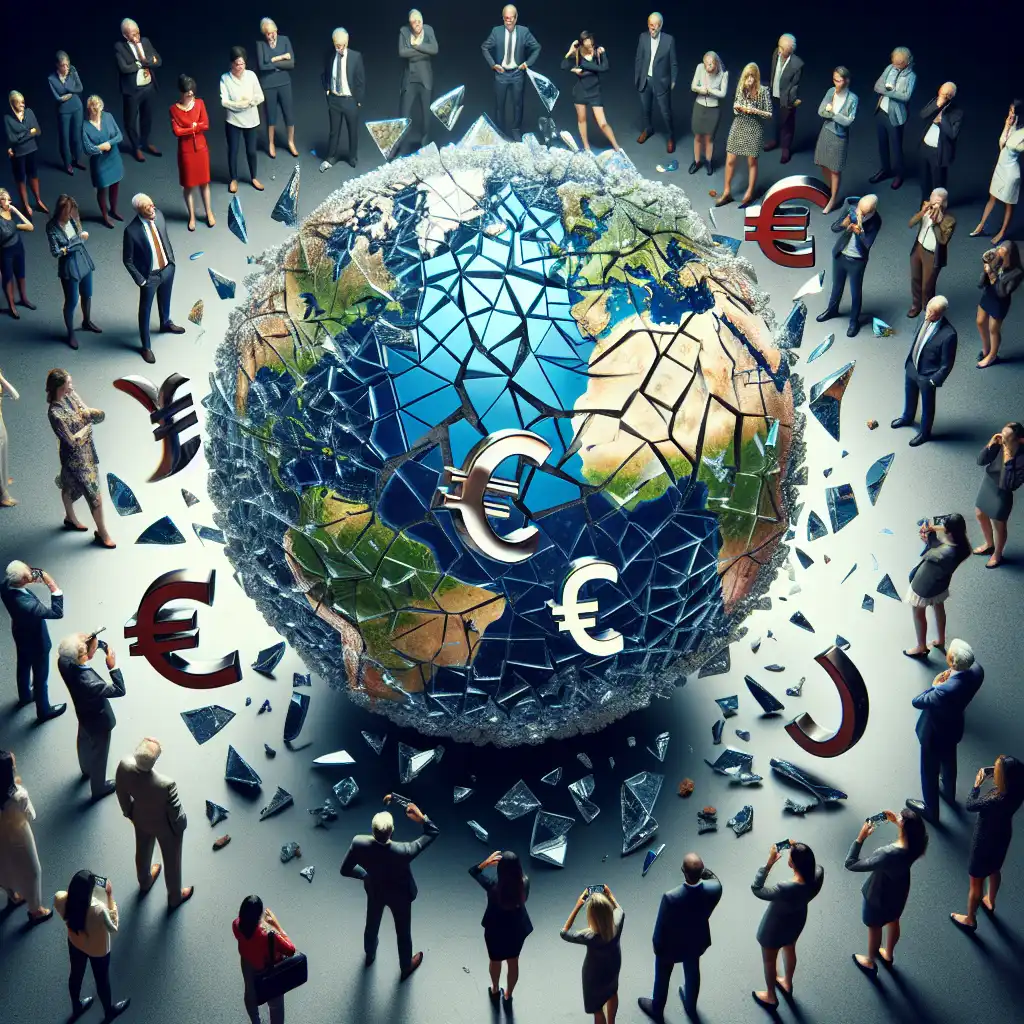
A large and violent event that causes massive change or disaster.
The global financial crisis was a cataclysm that affected many countries.
cataclysm
ˈkætəklɪzəm
読み込み中…
ˈkætəklɪzəm
A large and violent event that causes massive change or disaster.
The global financial crisis was a cataclysm that affected many countries.
ˈkætəklɪzəm
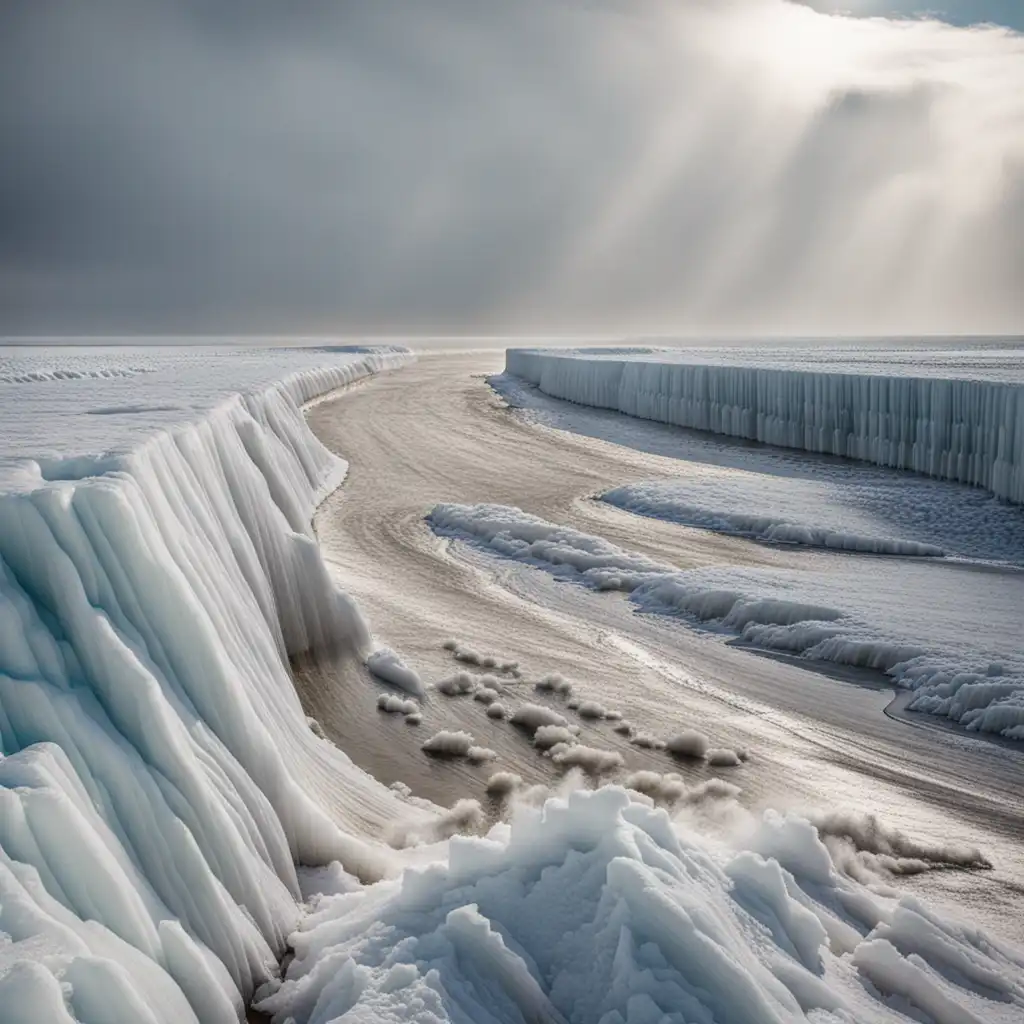
A catastrophic and destructive flood or other natural disaster.
The cataclysm at the end of glacial periods caused the ice to melt rapidly.
ˈkætəklɪzəm
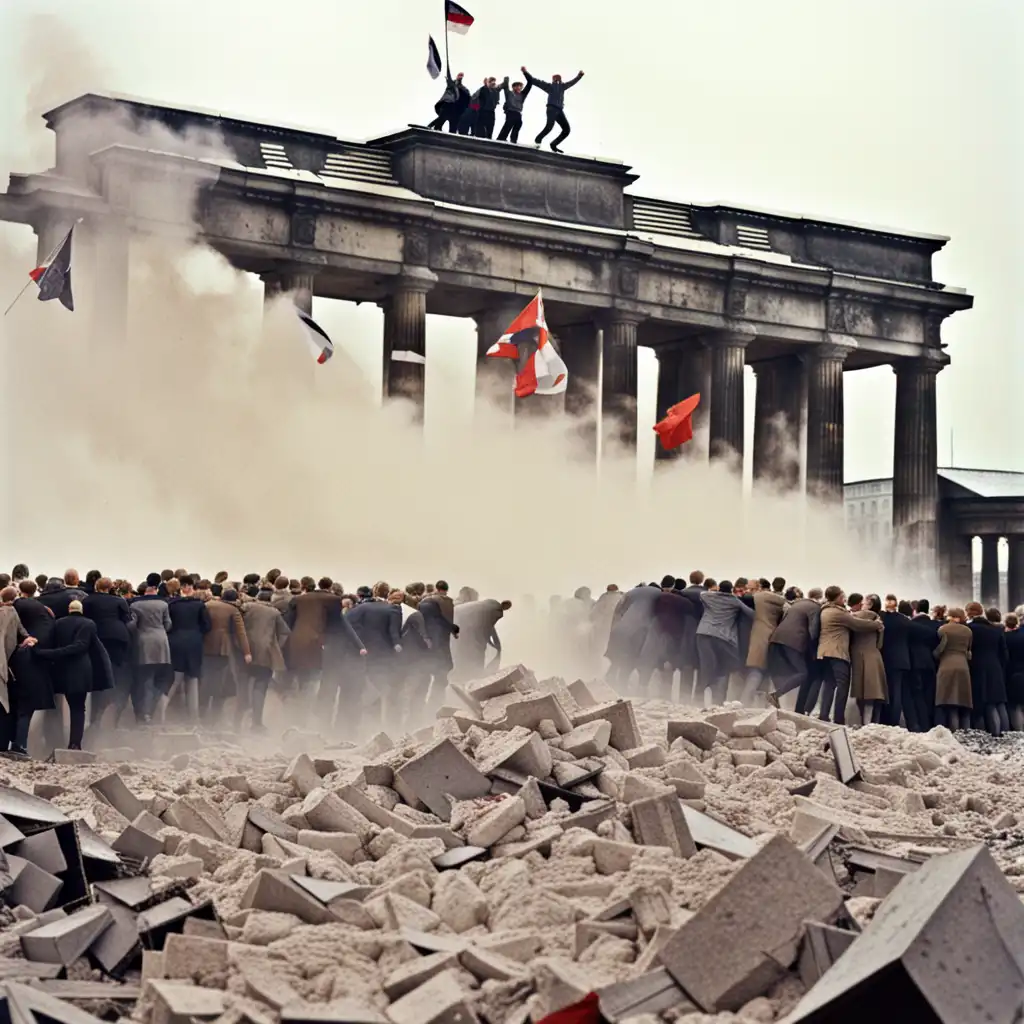
An extremely violent or destructive event, especially one marking the end of a state of affairs or a system.
The fall of the Berlin Wall was a cataclysm that marked the end of the Cold War.
音声を読み込めませんでした。しばらくしてからもう一度お試しください。
The word 'cataclysm' means a huge and disastrous event that can cause a lot of upheaval and destruction. It can be used to describe natural disasters like earthquakes, floods, or volcanic eruptions, as well as man-made disasters like wars or accidents. You can say "The earthquake was a cataclysm that destroyed the town" or "The current pandemic has caused a cataclysmic shift in our way of life." It is a strong word that is typically used to describe something very significant or severe.
Both apocalypse and cataclysm refer to events that are catastrophic and often result in great destruction.
However, apocalypse usually refers to a religious or prophetic event that signals the end of the world, while cataclysm refers to a natural disaster or a sudden and violent event that causes widespread damage.
For example, an asteroid hitting the earth would be a cataclysmic event, but it would not necessarily be considered an apocalypse.
The biblical story of the end of the world would be described as an apocalypse.
Apocalypse refers to a religious or prophetic end of the world event, while cataclysm refers to a sudden and violent natural disaster or event.
単語を開く: Apocalypse →Both Armageddon and cataclysm refer to a catastrophic event or disaster, but there are subtle differences.
Armageddon typically refers to a final battle between good and evil, and is often associated with religious or mythological beliefs.
In summary, while both words describe catastrophic events, Armageddon implies a final battle or end-of-the-world scenario, while cataclysm can refer to any sudden and violent upheaval.
単語を開く: Armageddon →Calamity and cataclysm are two words that refer to catastrophic or disastrous events, but they have slightly different meanings.
A calamity is an event that causes great harm or distress, often on a smaller scale than a cataclysm.
Calamities can be devastating to those affected, but they often do not have a widespread impact on larger systems or societies.
In summary, calamities are severe events that cause significant harm or distress, while cataclysms are larger-scale disasters that have the potential to alter the course of history.
単語を開く: Calamity →Cataclysm and destruction are both related to a massive event that causes damage or harm. But the difference lies in the magnitude and nature of the event.
Destruction refers to a deliberate or unintentional act of destroying something, usually on a smaller scale, such as a building, a city or a region.
Destruction can be caused by a variety of factors, such as war, fire or human activity.
Cataclysm relates to a natural or sudden disaster on a large scale, while destruction is often caused by human action and tends to be on a smaller scale.
単語を開く: Destruction →Both words, cataclysm and devastate, refer to large-scale disasters or events that cause widespread damage or destruction.
However, cataclysm typically refers to a natural disaster such as an earthquake, flood or volcano eruption, while devastate can refer to both natural and man-made disasters.
For example, an earthquake may be described as a cataclysmic event that shakes the earth and causes widespread damage, whereas a war or terrorist attack may be described as a devastating event that destroys homes, buildings, and lives.
Cataclysm is generally used to describe natural disasters, while devastate is a broader term that can refer to any event that causes widespread damage or destruction, regardless of its cause.
単語を開く: Devastate →Cataclysm refers to a sudden event that causes great upheaval or destruction. This can include natural disasters like earthquakes or floods, as well as man-made disasters like war.
Cataclysm implies a larger scale and more significant impact than 'disaster.'
Disaster refers to any event that causes damage or harm to people, property, or the environment.
Disaster can refer to a wide range of incidents, from a car accident to a hurricane.
Cataclysm describes a major, sudden event that causes significant destruction and upheaval, while disaster is a more general term used to describe any event that causes harm or damage.
単語を開く: Disaster →It usually describes natural disasters like earthquakes, floods, or volcanic eruptions. Ruin refers to the state of something that has been destroyed or is in a state of decay.
It can refer to buildings, cities, or even one's life or future prospects. While cataclysm refers to a specific event, ruin describes the aftermath or state that it leaves behind.
単語を開く: Ruin →Cataclysm refers to a large-scale disaster, such as an earthquake or a volcanic eruption, while tragedy refers to a serious and often sad event that affects individuals or groups of people, such as the death of a loved one or a natural disaster that affects a community.
Cataclysm can refer to a natural phenomenon, while tragedy usually describes an event caused by human actions or circumstances.
Both terms refer to a negative event, but cataclysm implies a more widespread and devastating impact, while tragedy often focuses on the emotional or personal impact on individuals.
単語を開く: Tragedy →But we should not lose hope. Humanity has enormous resources under its command, and by applying them wisely, we can still prevent ecological cataclysm. Let's talk numbers.
YouTube で見る ↗I don't think the world will destroy itself in a nuclear cataclysm. On the contrary, we have the capacity to save ourselves and save the planet, and we will use it.
every single one of the millions of species alive today perhaps a thousand others have perished most of them died out in everyday competition with other life-forms but many of them were swept away vast cataclysms overwhelmed the
YouTube で見る ↗Send me one hundred francs on our future deals, otherwise I will disappear in a cataclysm.
exhaustion cataclysm searches for these casualties when it's so hot that even it seeks relief from the burning surface when it can at first it forages randomly over the sand but when it finds its exhausted prey
YouTube で見る ↗Storms of every sort, torrents, earthquakes, cataclysms, 'convulsions of nature,' etc., however mysterious and lawless at first sight they may seem, are only harmonious notes in the song of creation, varied expressions of God's love.
but one of his other sons remained and successfully rallied the city’s defenses. For his military skill he became the ninth Inca ruler, assuming the name of Pachacuti or "Cataclysm."
YouTube で見る ↗Sometimes I fantasize that all my furniture has been destroyed in a cataclysm, and I have to start again with only the stationery catalogue. My entire house would become an office, which would be an overt recognition of the existing state of affairs.
I don't tackle major global events. I don't like to read about something - an event, a cataclysm - in fiction for the sake of reading it.
I don't think I'm the only person who sees a cataclysm coming, but I think I'm the only person saying it, and I think that scares people.
It is true that I am not one of those who laugh at utopias. The utopia of today can become the reality of tomorrow. Utopias are conceived by optimistic logic which regards constant social and political progress as the ultimate goal of human endeavor; pessimism would plunge a hopeless mankind into a fresh cataclysm.
Don't reward bad behavior. It is one of the first rules of parenting. During the financial cataclysm of 2008, we said it differently. When we bailed out banks that had created their own misfortune, we called it a 'moral hazard,' because the bailout absolved the bank's bad acts and created an incentive for it to make the same bad loans again.
A war, with its attendant human suffering, must, when that evil is unavoidable, be made to fragment more than buildings: It must shatter the foundations of thought and re-create. Only in this way does every individual share in the cataclysm and understand the purpose of sacrifice.
In many cultures, a total eclipse of the Sun predicts cataclysms and bad events.