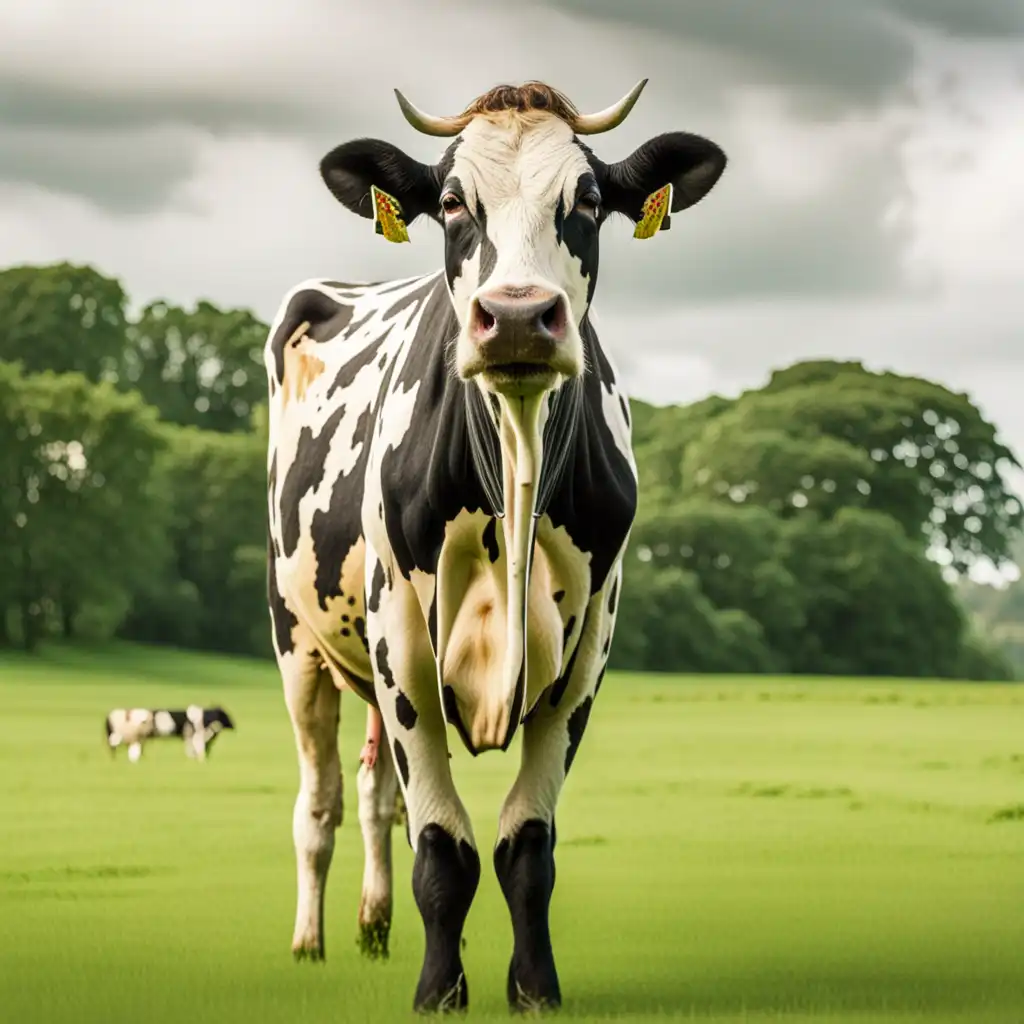
moo
verb moo
muː
The sound that a cow makes
The cow was mooing loudly in the field.
moo
muː
Cargando…
muː
The sound that a cow makes
The cow was mooing loudly in the field.
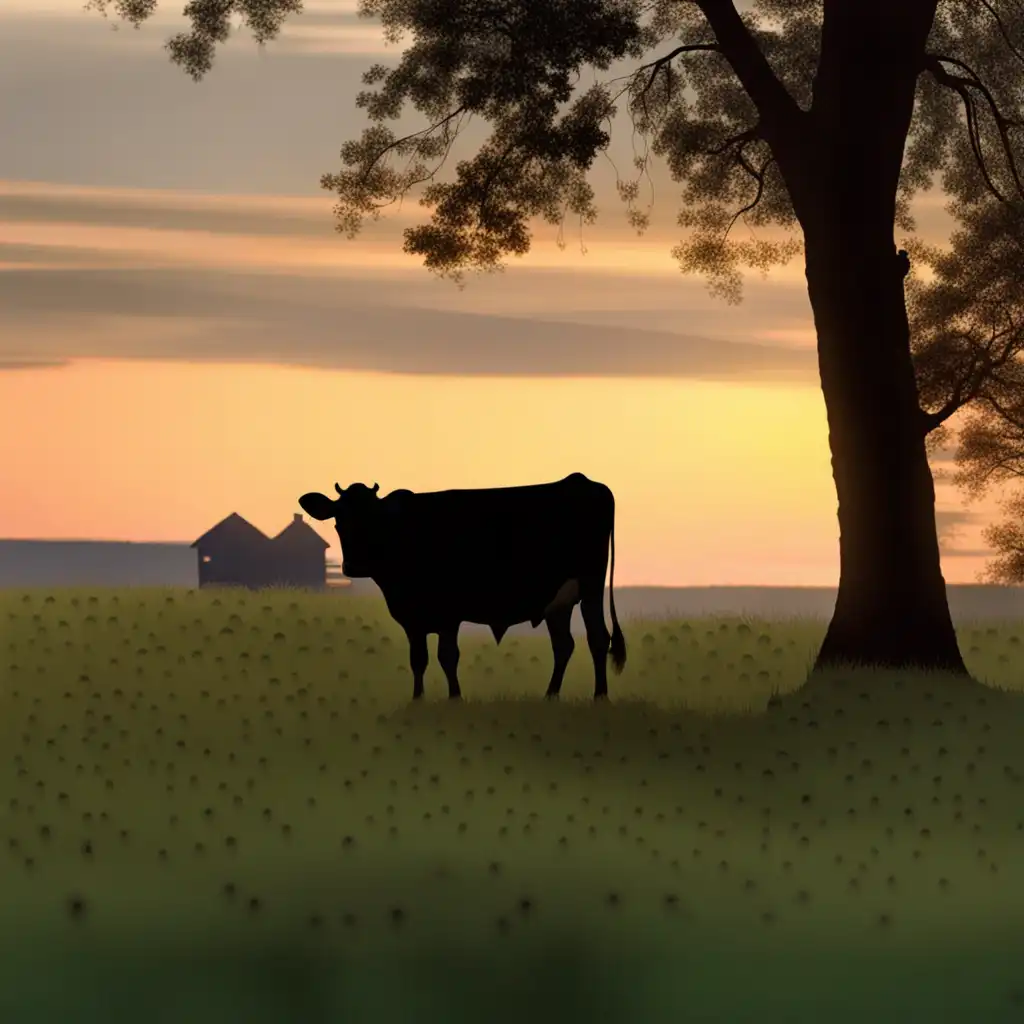
muː
The sound that a cow makes
We heard the soft moo of a cow nearby.

muː
The sound that someone makes when pretending to be a cow
Moo, said the little boy, playing with his farm animals.
No se pudo cargar el audio. Inténtalo de nuevo más tarde.
"Moo" is the sound that a cow makes. In English, we use the word "moo" to refer to the sound that cows make. You can use it when you see a cow or want to imitate the sound of a cow. For example, you might say "I heard a cow mooing in the field" or "When I visited the farm, I tried to moo like a cow."
Bawl describes a loud, emotional cry or scream, usually from a human. For example, if someone is very upset and starts crying loudly, you might say they are bawling.
The word moo is the sound that a cow makes, and it's only applicable to cows or other animals that make that sound. So, while bawl describes a human emotion or action, moo describes a specific sound made by cows.
Abrir palabra: Bawl →Bellow describes a loud, deep, and prolonged roar or shout, often made by a human or large animal like a bull, lion, or elephant.
For example, a person might bellow when shouting for help or when angry.
Bellow is a general term for a loud and deep roar or shout, while moo is a specific term for the sound made by cows and bulls.
Abrir palabra: Bellow →Bleat is often used to describe the sound that sheep and goats make, while moo is the sound that cows make. If you hear an animal that sounds like it's going "baaah" or "maaah", you would use the word bleat.
Abrir palabra: Bleat →Both bray and moo describe sounds made by animals, specifically a donkey and a cow respectively. A donkey brays by making a loud, harsh, and sometimes discordant sound, while a cow moos by making a low-pitched, gentle, and sustained sound.
A donkey might bray when it is excited or agitated, while a cow might moo to communicate with other cows or to express contentment.
Abrir palabra: Bray →Hiss and moo are both onomatopoeic words, meaning they imitate the sounds they represent.
Hiss is a sound made when air is forcefully and quickly expelled through a small opening, typically made by a snake or an angry cat.
The main difference between hiss and moo is that the former is a sharp, forceful sound associated with danger or aggression, while the latter is a low, gentle sound associated with calmness and grazing.
Abrir palabra: Hiss →Low refers to a sound or noise that is deep or not very loud. For example, a low hum or a low voice.
It can also refer to something that is situated close to the ground, such as low clouds or a low table.
It is not interchangeable with the word "low."
Low is a general term that can refer to various deep or quiet sounds, while moo specifically refers to the noise made by cows.
Abrir palabra: Low →Moo is the sound that a cow makes, while roar is the sound that a lion makes. They are different because they come from different animals.
Moo is applicable when we talk about cows or bovines, while roar is applicable when we talk about lions or other big cats.
Abrir palabra: Roar →I see something moving in there. What the hell's that? Something's growling. It's like this deep moo.
Ver en YouTube ↗Moo may represent an idea, but only the cow knows.
The cow is of the bovine ilk; one end is moo, the other milk.