veil
noun veil
veɪl
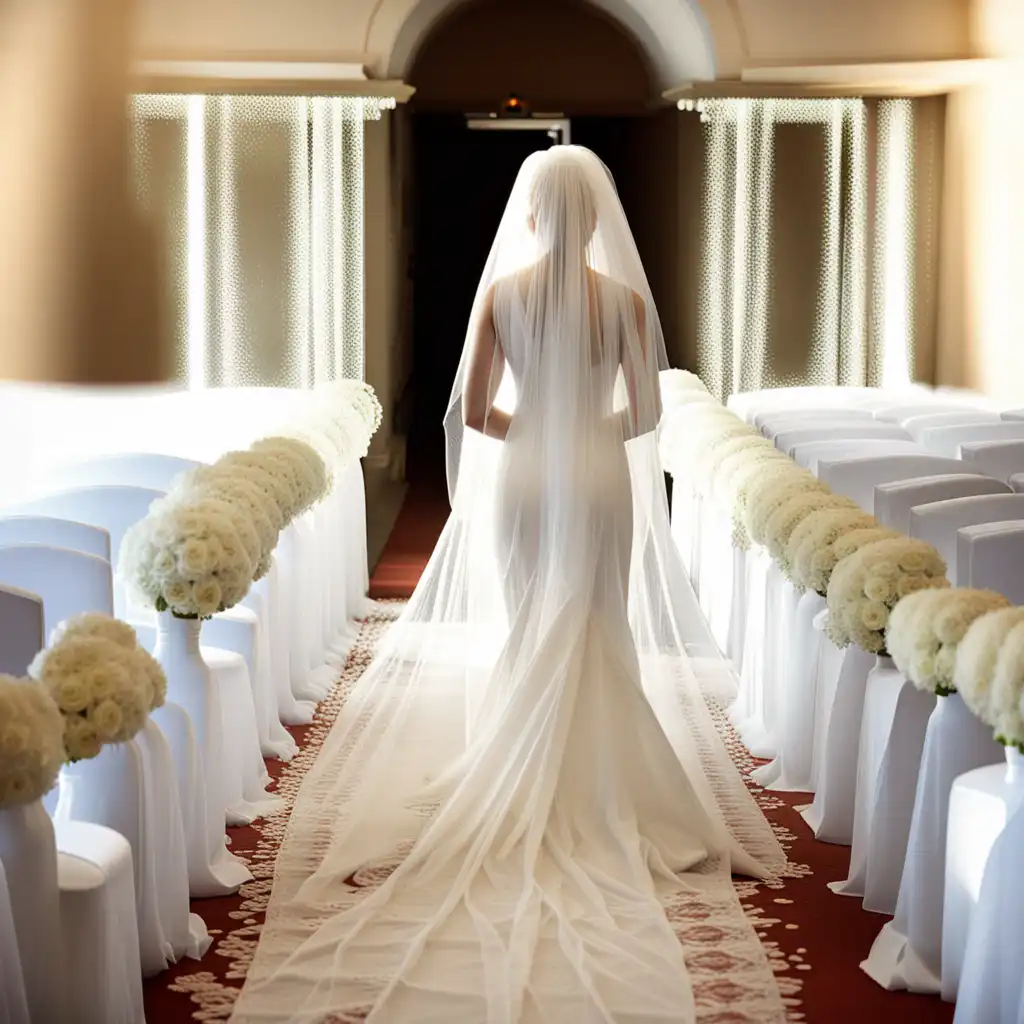
A piece of fabric worn by women to cover head and often face
The bride wore a long veil as she walked down the aisle
veil
veɪl
लोड हो रहा है…
veɪl
A piece of fabric worn by women to cover head and often face
The bride wore a long veil as she walked down the aisle

veɪl
Something that hides or obstructs
He used humor as a veil to hide his sadness

veɪl
To cover or enclose with or as if with a veil
The mountains were veiled in fog
veɪl
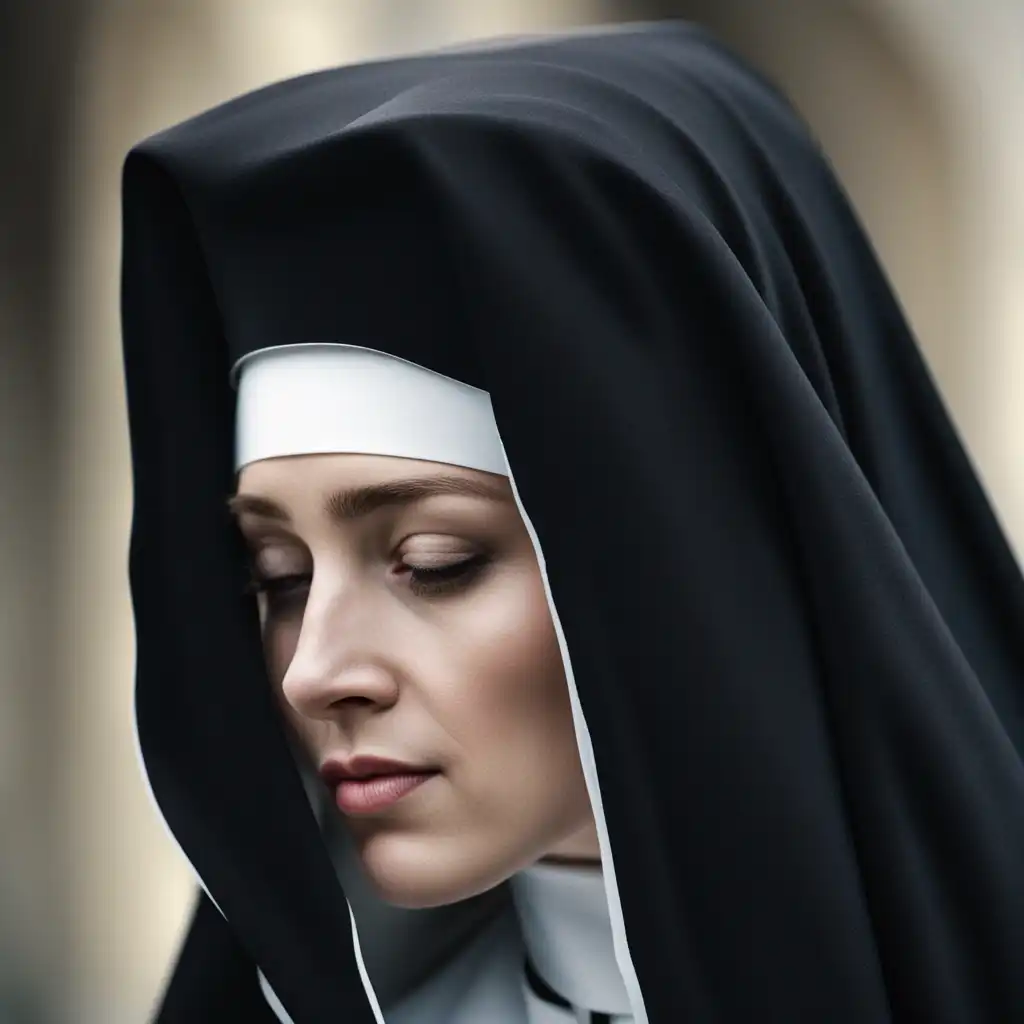
The part of a nun's ensemble that is worn on the head and partially covers the face
She took the veil to show her commitment to her faith
ऑडियो लोड नहीं हो सका। कृपया बाद में फिर कोशिश करें।
A veil is a piece of cloth that is worn over the head, face, or both, often to cover the face partially or completely. It is commonly worn by women during weddings, religious ceremonies, or as part of cultural traditions. Veils can also be used to hide something or keep it secret, like a veil of secrecy over a government operation. The word 'veil' can also be used as a verb, meaning to cover or hide something or to become less clear or easy to understand. Overall, the context of using the word 'veil' relates to something that is hidden, partially or fully covered, secretive, or symbolic.
Camouflage refers to the use of materials or techniques to blend in with one's surroundings in order to avoid detection or be hidden from view, such as the way an animal's fur blends into its environment.
Camouflage is used to blend in with the environment while a veil is used to conceal or cover up one's appearance.
शब्द खोलें: Camouflage →Conceal means to hide something or keep it secret, while veil means to partially or completely cover something, often with a piece of cloth.
For example, you might conceal a gift from someone to surprise them later, but you might veil your face on your wedding day.
Concealing is more about preventing something from being seen or known, while veiling is more about adding a layer of protection, mystery, or symbolism.
शब्द खोलें: Conceal →Cover means to place something on top of an object to protect or hide it. For example, you can cover a plate of food with a lid to keep it fresh or cover a book with a cloth to protect it from dust.
Cover is applicable in situations where you want to hide or protect something.
Veil means to cover or wrap something completely, especially with a fabric that is translucent or opaque.
शब्द खोलें: Cover →A curtain is a piece of fabric hung in a window or doorway to block light, provide privacy, or decorate a space. Curtains are used in homes, offices, theaters, and other public spaces.
In summary, curtains are used to cover windows and doorways while providing privacy, decoration or blocking light while a veil is typically worn to cover the face or head for religious or cultural reasons, or as a fashion accessory.
शब्द खोलें: Curtain →Mantle refers to a type of clothing, usually a long loose cape-like garment that is worn over other clothes.
Mantle is applicable when referring to clothing or the transfer of responsibility, while veil is applicable when referring to something that is worn over the face or head.
शब्द खोलें: Mantle →A mask is used primarily to conceal one's face or identity. It is generally worn in certain situations such as during a performance, while playing a game or during Halloween.
A mask can be made of different materials such as plastic, paper, cloth or metal.
A mask is used to hide one's identity, while a veil is worn for religious or cultural reasons to signify modesty, respect or mourning.
शब्द खोलें: Mask →Screen usually refers to a flat surface or panel that displays images or information, such as a computer screen or a movie screen.
It can also mean a barrier that creates privacy or protection from the sun or wind, such as a window screen or a projector screen.
So while both screen and veil can refer to something that covers or obscures, they are generally used in different contexts - screen for technology or physical barriers, and veil for cultural or symbolic significance.
शब्द खोलें: Screen →Shield refers to a protective barrier that is used to deflect or stop physical objects or harm. This can refer to a physical object like a piece of metal used in battle, or a metaphorical object like a defensive attitude against criticism.
Shields are applicable in situations where protection is needed, while veils are applicable when something needs to be hidden or obscured.
शब्द खोलें: Shield →A shroud typically refers to a piece of fabric that covers something or someone, often a dead body. It is commonly used in funerals or when covering objects that need to be concealed or protected.
Shrouds are often associated with death, mourning, and sadness.
In summary, shrouds are used to cover or conceal something, especially a dead body, while veils are worn to cover or protect a person's face or head and are commonly associated with weddings or religious ceremonies.
शब्द खोलें: Shroud →and we asked them the question in the veil of ignorance. What are the characteristics of a country that would make you want to join it, knowing that you could end randomly at any place? And here is what we got. What did people want to give to the first group, the bottom 20 percent?
YouTube पर देखें ↗Veiling truth in mystery.
ghosts of the dead walked the earth it was the time when the veil between death and life was supposed to be at its thinnest
YouTube पर देखें ↗Life will continue on the other side of the veil.
whether in this audience or people elsewhere in the world hearing some of this they've all be doing the screaming with rage thing all right there as well some of them language seems to be is really important here you do when you talk about the veil you're talking about
YouTube पर देखें ↗Hope is nature's veil for hiding truth's nakedness.
i grew up in trinam tobago which is in the caribbean so it meant i spent a lot of time in nature especially by the ocean through those experiences i remember there being times where i just wanted to pull away that veil of water to know what was down there
YouTube पर देखें ↗I don't really like talking about my personal life. I like a certain amount of veil.
headscarf the niqab is the face veil and a horse is not involved usually and the burqa is the full body cover and it comes with or without the veil so what I'm wearing right now is the burqa in my
YouTube पर देखें ↗Everyone thinks footballers have a great life and drive great cars, but sometimes you have to pull the veil away and look behind.
and are seeing the world through the haze of a bad mood. You think that the veil has been taken away, the veil of happiness, and that now you're seeing truly. It's easier to help schizophrenics who perceive
YouTube पर देखें ↗Poetry lifts the veil from the hidden beauty of the world, and makes familiar objects be as if they were not familiar.
hearing some of this may well be doing the screaming-with-rage thing after as well some of them. Language seems to be really important here. When you're talking about the veil, you're talking about women dressed in cloth bags.
YouTube पर देखें ↗This is love: to fly toward a secret sky, to cause a hundred veils to fall each moment. First to let go of life. Finally, to take a step without feet.
my second-grade class at school. But when she said it, the phrase seemed all caught up in the excitement of preparations for our first communion and our first confession, and everybody knew that was really all about the white dress and the white veil. And anyway I hadn't really paid all that much attention to that phrase "age of reason."
YouTube पर देखें ↗If women had to promise to provide for a man for a lifetime before he removed his veil and showed her his smile, would we think of this as a system of female privilege?
curators who organized the testing the models seem to be enveloped by a transparent gauze like veil I could observe that there was girls on the left arm that will also goes on the right arm and the mother seems to be totally
YouTube पर देखें ↗I think living in a way that's close to nature makes you feel like that - makes you feel how thin the veil is between life and death.
which would guard the universities against veiled students. In other words they would force students to uncover their heads. And I think forcing people to uncover their head is as tyrannical as forcing them to cover it. It should be the citizen's decision. But when I saw that I said,
YouTube पर देखें ↗There is a design behind the world that we are living in, which is veiled to most of us most of the time, but every once in a while, you catch a glimpse of it.