
waxen
adjective waxen
ˈwæksn
Looking or seeming similar to wax, in color or feel
His skin was pale and waxen, lacking its usual warmth.
waxen
ˈwæksn
Đang tải…
ˈwæksn
Looking or seeming similar to wax, in color or feel
His skin was pale and waxen, lacking its usual warmth.

ˈwæksn
Past participle of 'to wax', meaning to grow or become
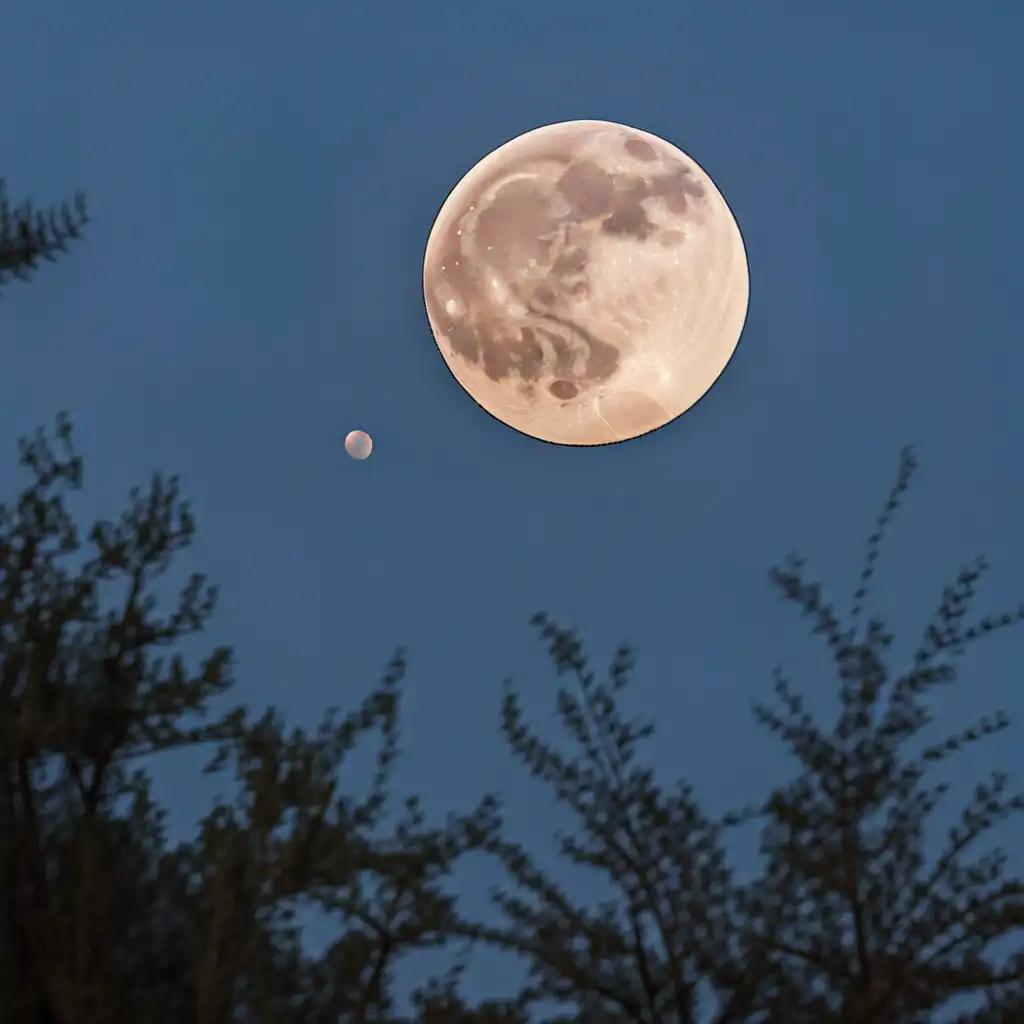
The moon waxen full is a sign of an approaching full moon.
Không tải được âm thanh. Vui lòng thử lại sau.
The word 'waxen' means something that looks like it is made of wax, such as skin or a candle. It can also mean something that is pale or white, like wax. It is not a common word and is mostly used in literature or poetry to describe something that is smooth, shiny, and pale, like wax. For example, "her waxen skin glowed in the candlelight" or "the moon cast a waxen glow over the snowy landscape."
The words ashen and waxen both describe a pale or grayish color, but ashen describes the color of something that is lifeless or dead, while waxen describes a paleness that appears on the face due to illness or shock.
For example, a person's face might look ashen after they die, while someone might have a waxen complexion after fainting or getting bad news.
Mở từ: Ashen →Blanch means to become pale or white due to fear or shock, or to turn food briefly into boiling water, and then into cold water to make it firmer or to remove the skin.
Blanch is a more active verb that describes a process or action, while waxen describes a static quality or appearance.
Mở từ: Blanch →Bleach is a chemical substance used to remove or lighten the color of fabric or hair. It is applicable when you want to make something lighter in color, like bleaching your hair or using bleach on stained clothing.
Bleach is used to lighten color while waxen describes a polished appearance.
Mở từ: Bleach →Ghost typically refers to the spirit or soul of a deceased person that is believed to haunt or appear to the living.
It can also mean a faint or indistinct image or remnant of something. For example, "The ghost of a smile lingered on her face.".
Ghost is used to refer to spiritual or ethereal beings while waxen describes something that is made of or resembles wax, with a pale and smooth appearance.
Mở từ: Ghost →Both words, pale and waxen, describe a lack of color or a pallor in someone's complexion.
However, pale refers to a light color that may appear due to illness or fear, while waxen is a more extreme shade of pale, that can make someone's complexion appear almost ashy or gray.
Waxen is more commonly used to describe a complexion that is characteristic of death, while pale can be used in a variety of contexts, like describing someone's skin after a workout or describing an emotion like fear.
Mở từ: Pale →Pallid suggests a lack of vitality or liveliness, and can also be associated with illness or fear.
So, while both words describe pale skin, pallid is applicable when describing someone who looks tired or ill, while waxen is more appropriate for describing someone who looks ghostly or unnatural.
Mở từ: Pallid →Want means to have a desire or a need for something, while the word waxen refers to something that is made of or resembling wax.
Want is used when expressing a need or a wish for something, such as "I want a new phone." Waxen describes something that is wax-like in appearance or texture, such as "The candles had a beautiful, waxen glow."
Mở từ: Want →White refers to a color that is the absence of any color or hue, and is the lightest of all colors.
So, while both words describe something that is light in color, waxen specifically refers to a shiny and pale appearance, while white simply refers to the absence of color.
Mở từ: White →I saw the Count lying within the box upon the earth, some of which the rude falling from the cart had scattered over him. He was deathly pale, just like a waxen image, and the red eyes glared with the horrible vindictive look which I knew so well.