
cornet
noun cornet
ˈkɔːrnɪt
A brass musical instrument similar to a trumpet
He played a melody on his cornet.
cornet
ˈkɔːrnɪt
Loading…
ˈkɔːrnɪt
A brass musical instrument similar to a trumpet
He played a melody on his cornet.

ˈkɔːrnɪt
A cone-shaped wafer that holds an ice cream
She bought a vanilla ice cream in a cornet.
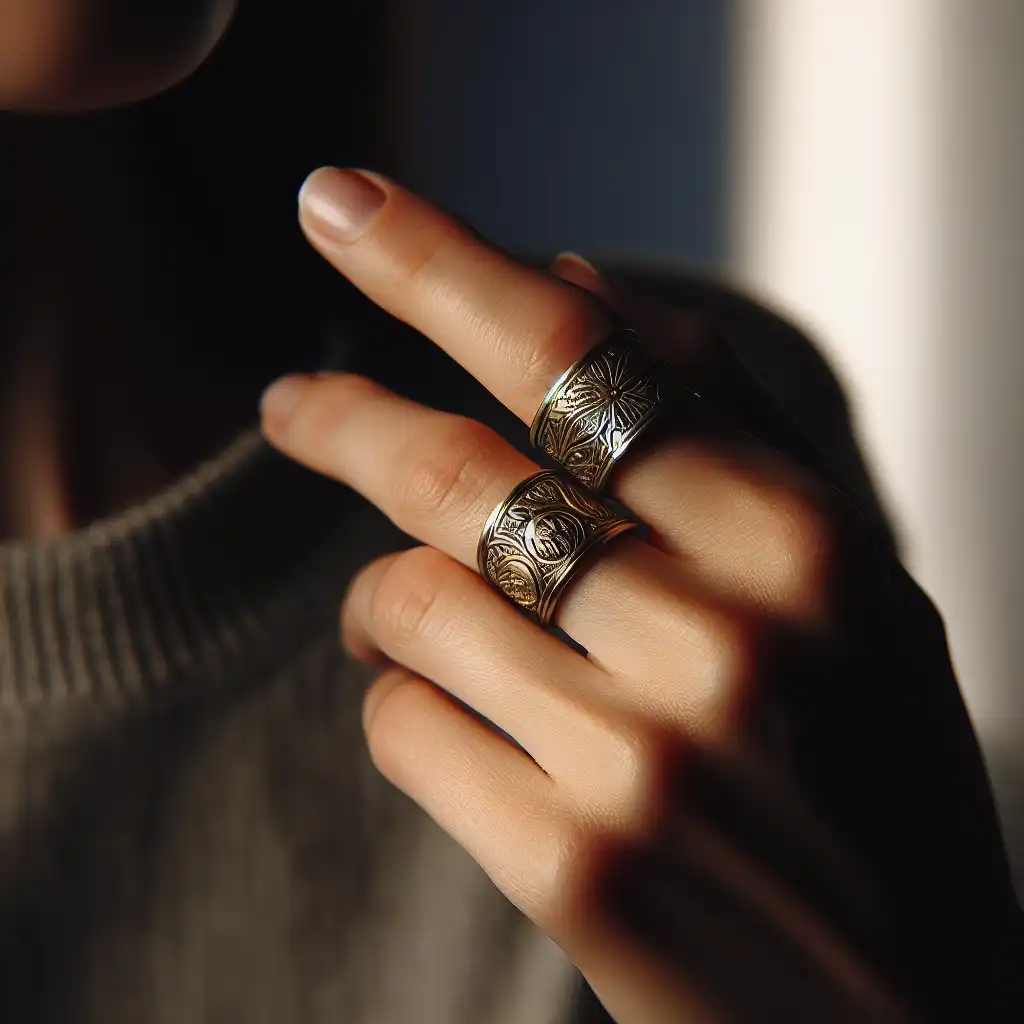
ˈkɔːrnɪt
A piece of brass jewelry, typically a ring
She wore a cornet on her finger.

ˈkɔːrnɪt
A rank in the British cavalry, equivalent to a second lieutenant
He was promoted to the rank of cornet in the cavalry.
Audio could not be loaded. Please try again later.
A cornet is a musical instrument that looks like a smaller version of a trumpet. It is often used in brass bands and orchestras to play melodies and solos. You can use the word cornet when discussing different types of instruments or when talking about music.
Both bugle and cornet are brass instruments that are used in military and marching bands.
A bugle is a simple brass instrument that does not have any valves or keys. It is played by blowing air through the mouthpiece and adjusting the pitch by changing the shape of the lips.
Bugles are usually used to play simple melodies and calls such as the military reveille or Taps, a sound often heard at military funerals.
In summary, bugles are simple brass instruments used for playing calls and simple melodies, while cornets are more versatile and are used in a wider range of musical genres.
Open word: Bugle →A cornet and a horn are both brass instruments, but they are different in a few ways.
A cornet is smaller than a horn, has a conical bore (meaning the tubing gradually gets wider), a more compact shape, and a deep cup-shaped mouthpiece.
It has a brighter, more focused sound than a horn, making it ideal for playing in ensembles and marching bands. Cornets are often used in jazz and popular music styles.
A horn is larger and has a more complex tubing design, making it harder to play. It has a signature smooth, mellow tone and is best suited for classical music.
Horns are often featured in orchestras and chamber music ensembles.
In summary, cornets are smaller and have a brighter sound, while horns are larger, have a more complex tubing design, and have a smoother, mellow tone.
Open word: Horn →Cornet is a specific type of musical instrument that belongs to the brass family, which means it is played by buzzing the lips into a cup-shaped mouthpiece to create sound.
Instrument is a more general term that refers to any device used to create music.
It can include a variety of different types of instruments such as strings, percussion, woodwinds, and brass.
So, while the cornet is a specific type of brass instrument, the word instrument encompasses a much broader range of musical devices.
Open word: Instrument →Snack is a small portion of food people tend to eat between meals. Cornet is primarily used to serve certain types of food, while snack is a general term for any food people eat to satisfy hunger or cravings.
Open word: Snack →A cornet and a trumpet are both brass instruments that look very similar.
A cornet has a slightly more mellow sound than a trumpet and is often used in brass bands or small ensembles. It has a conical bore, meaning the tubing widens as it goes towards the bell, which gives it its distinctive sound.
A trumpet has a brighter and more powerful sound that can cut through other instruments. It has a cylindrical bore, meaning the tubing stays the same size throughout, which gives it its sound.
Trumpets are used in a wide range of genres, from classical orchestras to jazz bands.
In summary, cornets have a mellow sound and are often used in brass bands or small ensembles, while trumpets have a brighter, more powerful sound and are used in a wide range of genres.
Open word: Trumpet →Kevin Kelly: How...
Watch on YouTube ↗Like turning potatoes or making a bearnaise sauce by hand, forming a cornet - essentially a DIY pastry bag - from parchment paper feels like one of those things culinary students do once or twice and then never again.
A Piece of Humble Pie %\PIPE%...
Watch on YouTube ↗I started piano like my sisters. After one year or two, I didn't like it anymore. Then, because I like trumpet, I played the cornet. When you are 7, you can't play trumpet - you play cornet. And something didn't go well. The teacher was too hard. Too rough. Suddenly, there was this instrument, the flute, that I could immediately play.
England was full of words I'd never heard before - streaky bacon, short back and sides, Belisha beacon, serviettes, high tea, ice-cream cornet.
I grew up on a council estate in Luton, and as a child, I was very much into the brass-band tradition. I was basically a Salvation Army boy. My English granddad bought me a cornet when I was five years old.