
elector
noun elector
ɪˈlektər
A person who has the right to vote in an election.
Every elector has a duty to vote in the election.
elector
ɪˈlektər
Chargement…
ɪˈlektər
A person who has the right to vote in an election.
Every elector has a duty to vote in the election.
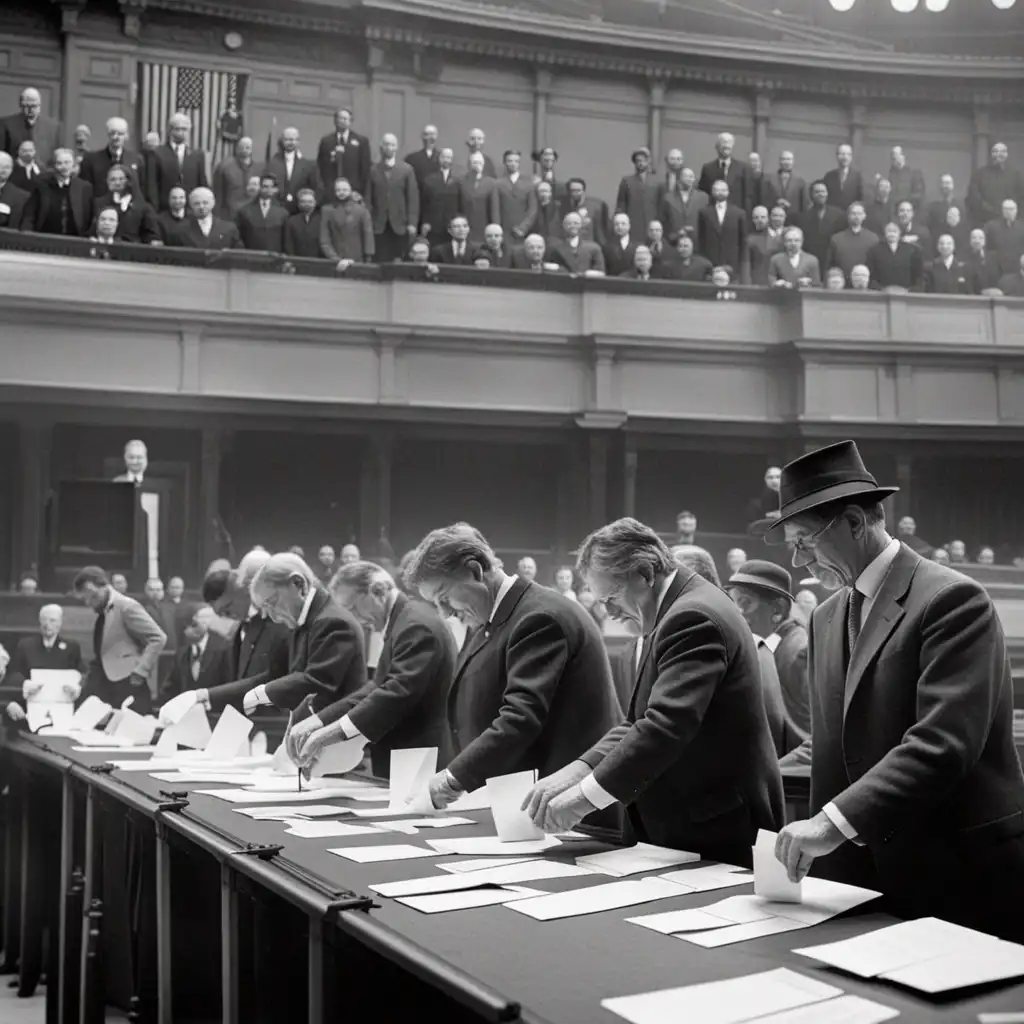
ɪˈlektər
A person who has the right to vote in choosing the president and vice-president in US.
The electors will meet in December to officially elect the President.
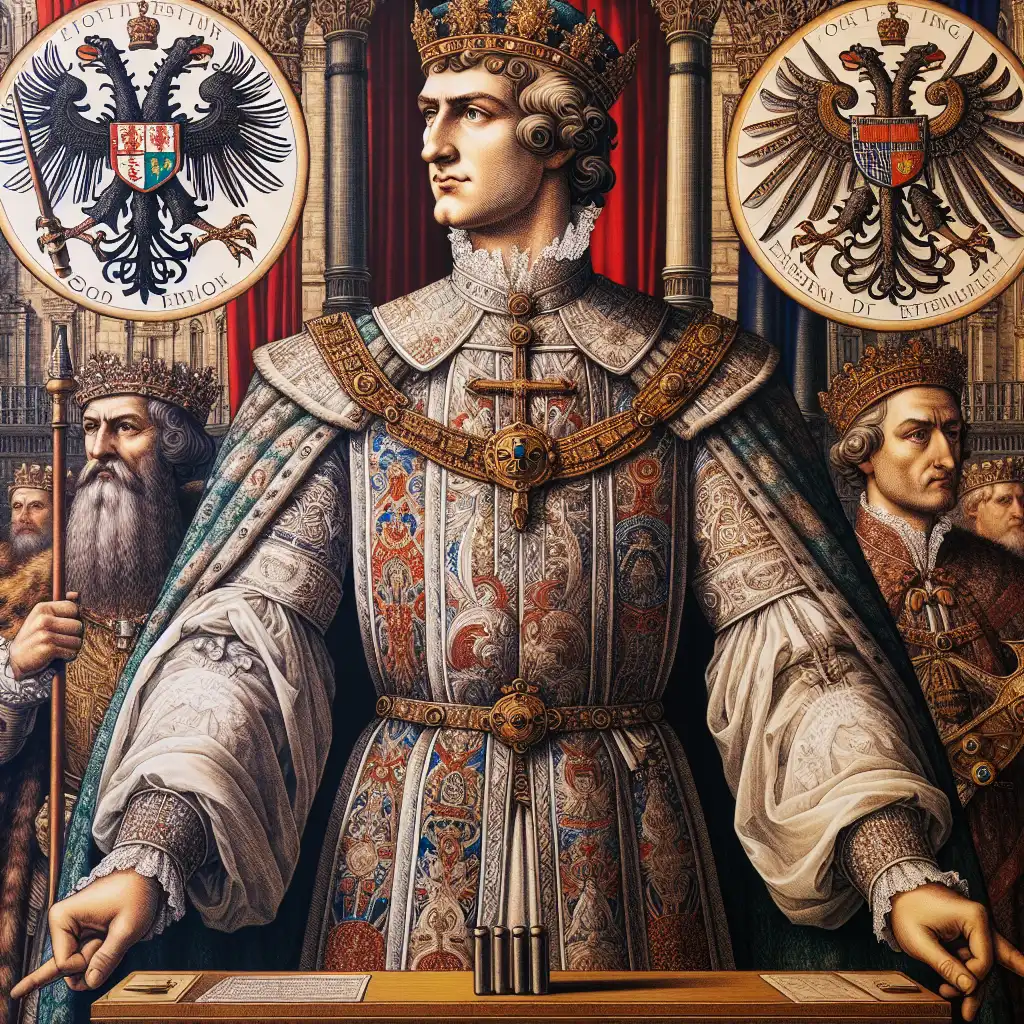
ɪˈlektər
A member of the German nobility with the rights of electing the emperor of the Holy Roman Empire.
He was the elector of Brandenburg.
Impossible de charger l’audio. Réessayez plus tard.
The word 'elector' is used when talking about voting and democracy. An elector is a person who is able to vote in an election. They may be chosen to represent a certain group of people who are also able to vote. In the United States, an elector is someone who is chosen by their state to vote for the President of the United States. So, when you hear the word 'elector', it usually means someone who can vote and has the power to make decisions by casting their ballot.
A chooser is someone who makes a decision between multiple options. For example, if you are deciding which book to read, you are the chooser.
The main difference between the two is that a chooser is making a decision among many options, while an elector is voting to choose one specific option (a candidate in an election).
Ouvrir le mot: Chooser →A citizen is someone who is a legal member of a country, by birth or by choice. An elector is someone who is eligible to vote in an election.
Being a citizen is applicable in all aspects of a person's life as it determines their legal status in a country. Being an elector is applicable only in the context of elections and voting.
Citizen refers to legal membership in a country, while elector refers to the eligibility to vote in an election.
Ouvrir le mot: Citizen →A commissioner is a person who is appointed or elected to be in charge of a particular organization or government department.
The main difference between a commissioner and an elector is that a commissioner is responsible for managing and overseeing an organization or department, while an elector is responsible for choosing the people who will lead that organization or department through the act of voting.
Ouvrir le mot: Commissioner →A constituent refers to a person who lives within a defined area or district and has the right to vote for a representative in an election.
For example, a constituent would be someone who lives in a particular city and has the ability to vote for a mayor or city council member.
A constituent is a person who can vote in an election, while an elector is a person who is chosen to cast a vote on behalf of others.
Constituents are applicable in local, state, and national elections, while electors are only applicable in the presidential election.
Ouvrir le mot: Constituent →Delegate and elector are terms used in politics and voting systems.
A delegate is a person who is chosen or elected by a group of people to represent them at a conference, meeting, or other gathering.
In politics, a delegate may represent a political party and attend a political convention to vote on behalf of party members for a particular candidate or issue.
Delegates can also be elected by voters to represent them in their state or national legislative bodies.
In summary, delegates are individuals who represent a group of people, while electors are individuals who cast votes in elections.
Delegates can operate in a variety of settings, while electors are specific to elections.
Ouvrir le mot: Delegate →An elector is someone who is eligible to vote in an election to choose a leader or a representative, while a jury is a group of people who are chosen to decide the outcome of a legal dispute in a court of law.
Electors are applicable in democratic systems of government where citizens have the right to vote for their leaders, such as in the United States, while juries are applicable in legal systems where disputes are resolved through a trial by jury, such as in the United Kingdom.
In simpler terms, an elector votes for a leader, whereas a jury decides the outcome of a legal case.
Ouvrir le mot: Jury →A selector is someone or something that chooses or selects something from a range of options. This term is more commonly used in a general sense, such as selecting an item from a menu or choosing a movie to watch.
In summary, electors have the responsibility of voting in official elections, while selectors have the ability to choose from a variety of options in a more general sense.
Ouvrir le mot: Selector →Meanwhile, a voter is any individual who is eligible to participate in an election and casts a ballot.
The term voter is more general and can refer to anyone who participates in any type of election such as for local officials or public referendums.
An elector is a type of voter who is specifically chosen to vote on behalf of a larger group or constituency, while a voter is an individual who has the right to vote in any type of election.
Ouvrir le mot: Voter →The oddities of the...
Voir sur YouTube ↗No sensible elected politician would look for spending reductions out of sacking teachers and nurses. We all know how important they are and that our electors want to keep those we have and employ more where possible.
Why the Electoral...
Voir sur YouTube ↗I trust my electors. I see them in weekly meetings. I'm their advocate, I'm there to take up their case. I'm not there to decide whether they've got a good case or a bad case. And I think that if you trust people, they're more likely to trust you back.
What if a US presidential...
Voir sur YouTube ↗Yes, I will promise you anything your little elector heart desires... Of course, I have no intention of keeping any promise I make.
The people participate in votes in their states to choose electors to elect the president, but the people don't elect the president. We are not a democracy; we are a democratic republic. We have a representation system of government.
The Government and the Parliament, even the House of Lords, will consent to a large increase of electors; and men who have not considered the subject fully will imagine they have gained much by the concession.