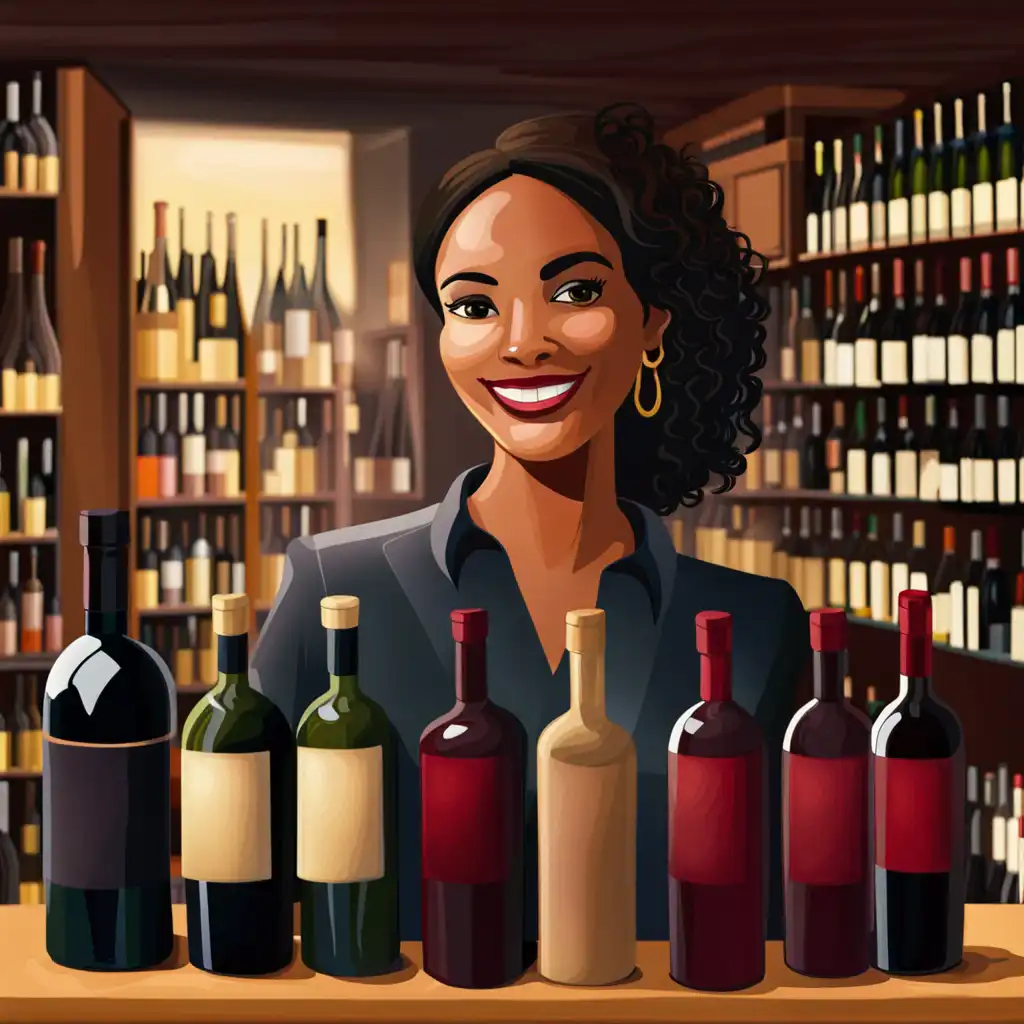
purveyor
noun purveyor
pərˈveɪər
A person or business that sells or provides something
A purveyor of fine wines
purveyor
pərˈveɪər
Chargement…
pərˈveɪər
A person or business that sells or provides something
A purveyor of fine wines
Impossible de charger l’audio. Réessayez plus tard.
The word 'purveyor' is used to describe someone or something that supplies or provides something, usually on a regular basis. For example, a purveyor of food provides food to a restaurant or food establishment. The word can also be used more generally to describe someone who is a supplier or provider of goods or services.
Cater refers to providing food or services for events such as parties, weddings, or business meetings. Catering typically involves preparing and delivering meals to a specific location, and often involves serving the food as well.
Purveyors can be wholesalers or retailers, and may specialize in a specific type of product. While both words relate to providing goods or services, catering is more focused on food service and events while purveying can apply to a wider range of products and services.
Ouvrir le mot: Cater →Both dealer and purveyor are used to refer to people who sell goods, but there are some differences between the two terms.
A dealer is someone who buys and sells goods, often with the purpose of making a profit.
Dealers can refer to people who sell a wide variety of products, from cars to art to drugs.
The term dealer is often associated with illegal or shady activities, such as a drug dealer or arms dealer.
Dealer has a more negative connotation, while purveyor has a more positive connotation. Dealers are often associated with illegal or immoral activities, while purveyors are associated with quality and expertise in their specialty area.
Ouvrir le mot: Dealer →A merchant refers to someone who sells products or goods to customers, whether it's a retailer who sells to consumers or a wholesaler who sells to other businesses.
In practice, a merchant is someone who owns a store or a company that sells products, while a purveyor could refer to anyone who provides something, like a chef who is a purveyor of fine dining experiences, or a provider of a specialized service, like a purveyor of security systems.
A merchant is a seller of specific products, while a purveyor is a provider of something more broadly defined.
Ouvrir le mot: Merchant →Provider refers to someone or something that supplies a particular product or service. For example: A grocery store is a provider of food.
Provider refers to anyone who supplies something, whereas purveyor is a more specific term for someone who is known to supply or sell something in a particular area.
Ouvrir le mot: Provider →A retailer is a person or company that sells goods directly to the end consumer. They typically sell in smaller quantities and their focus is on providing excellent customer service and creating a positive buying experience.
For example, a retailer of coffee would sell individual bags or cups of coffee directly to customers in a coffee shop or store.
A purveyor is a supplier of goods while a retailer is a seller of goods to the end customer.
Ouvrir le mot: Retailer →A source refers to the origin or starting point of something.
It can be used in a variety of contexts, such as a source of information, a source of inspiration, or a source of energy.
A purveyor is more associated with the sale or distribution of a specific product, while a source is more focused on the origin or starting point of something.
Ouvrir le mot: Source →A supplier is a person or a company that provides or supplies goods or services, often in large quantities and with a focus on efficiency and affordability.
In simpler terms, purveyors typically cater to a higher-end market, while suppliers may provide goods or services for a wider range of customers.
A purveyor might provide high-quality, artisanal cheeses to a fine restaurant, while a supplier might provide bulk quantities of paper towels to a supermarket.
Ouvrir le mot: Supplier →Both purveyor and vendor refer to someone who sells goods, but there are slight differences in their usage.
A vendor is someone who sells goods, usually in a public setting like a market or a stall. A street food vendor would be someone who sells food on the side of the road or in a market.
A vendor is a general term for someone who sells goods while a purveyor is more specific and refers to someone who provides or supplies high-quality goods to a select clientele.
Ouvrir le mot: Vendor →A wholesaler is a person or company that buys large quantities of products from manufacturers and then sells them in smaller quantities to retailers.
They often focus on quantity and offer lower prices than retailers. For example, a wholesaler of clothing may buy large quantities of T-shirts from a factory and then sell them to smaller retail stores.
A purveyor focuses on quality and specialty markets while a wholesaler focuses on quantity and selling to retailers.
Ouvrir le mot: Wholesaler →Teach every child about...
Voir sur YouTube ↗We like to think of women as peacemakers, not purveyors of violence.
The Community of Food %\PIPE%...
Voir sur YouTube ↗Hopefully, imparting what's important to me, respect for the food and that information about the purveyors, people will realize that for a restaurant to be good, so many pieces have to come together.
I'm absolutely delighted if people think of me as a reliable purveyor of quality period stuff.
One of the main purveyors of violence in this world has been this country.
The prosperity gospel and its purveyors are worldwide and account for the rapid growth of Pentecostalism, the global religious movement prosperity preachers come from.
We have the purveyors of hatred who take every single incident between people of two races and try to make a race war out of it and drive wedges into people. And this does not need to be done.
We protest to our last breath against the purveyors of hatred, cruelty and violence.
I believe that those of us who are the producers and purveyors of television, I believe that we are the servants of this nation.
I think the purveyors of e-books are only too happy for this atmosphere of 'everything belongs to everybody' to increase because it means they don't have to think so much about the original maker of the thing, or they can get away with paying them less.
There's a lot of politics in television and a lot of in-fighting and all that sort of stuff, but in the end, we are purveyors of entertainment. Viewers are not really bogged down in who's doing what and who hates who and who's doing best in the ratings. They watch television to be entertained.