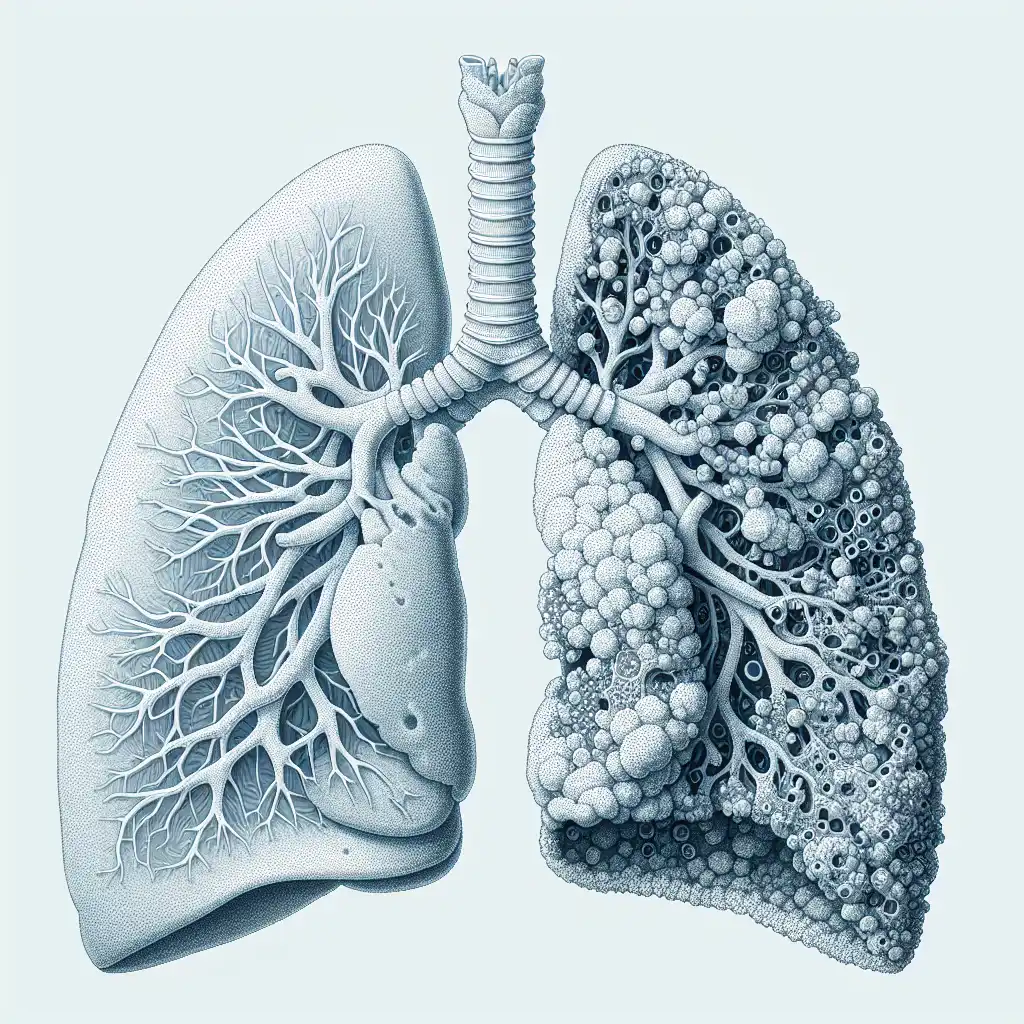
alveolar
adjective alveolar
ælˈviːələr
Related to small cavities or pockets in the body, mainly in the lungs
In some conditions, the alveolar walls of the lungs can become damaged
alveolar
ælˈviːələr
加载中…
ælˈviːələr
Related to small cavities or pockets in the body, mainly in the lungs
In some conditions, the alveolar walls of the lungs can become damaged

ælˈviːələr
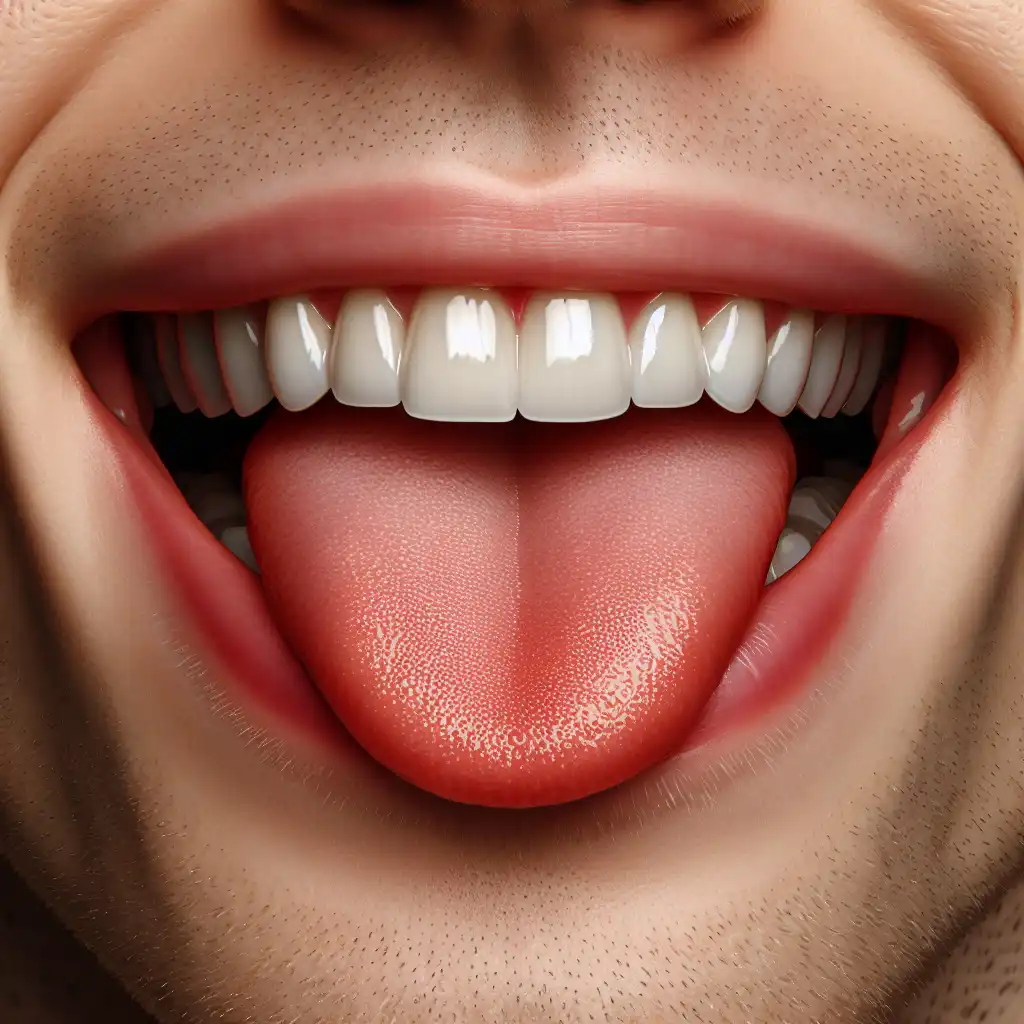
Pertaining to the part of the mouth where the teeth are embedded
The dentist said I have a problem with my alveolar ridge
ælˈviːələr
Relating to the sounds produced using the front part of the tongue touching the alveolar ridge
The letter 't' in English is an example of an alveolar consonant
音频无法加载,请稍后再试。
The word 'alveolar' is often used in relation to our teeth and the sounds we make when we speak. Teeth that are positioned near the alveolus (the bone that holds the tooth in place) are called alveolar teeth. When it comes to speech, the alveolar sounds are made by touching the tip of the tongue to the alveolar ridge (the bumpy part of the roof of our mouth just behind our front teeth) while making certain sounds, such as 't', 'd', or 's'.So, if you are talking about teeth, you can use the word 'alveolar' to describe teeth that are close to the alveolus. And if you are studying English pronunciation or linguistics, you might hear the word 'alveolar' used in discussions of specific sounds and how they are made in the mouth.
Canine refers to teeth that are sharp and pointed and describes the teeth located between the incisors and premolars.
Alveolar describes a part of the mouth while canine describes a type of tooth.
打开单词: Canine →Both alveolar and dental refer to parts of the mouth involved in speech and the production of sounds.
Dental refers to the teeth themselves, and their role in speech production. Sounds like /f/ and /v/ are made by pressing the bottom teeth against the upper lip.
Alveolar pertains to a specific area of the mouth while dental pertains to the teeth themselves, and both are important for speech production.
打开单词: Dental →Incisor refers to one of the four front teeth in the human mouth, used for biting and cutting food.
Alveolar refers to the location of the teeth, while incisor refers to a specific type of tooth and its function.
打开单词: Incisor →Labial refers to sounds that are made with the lips, such as the sound "p" in "pie" or "b" in "boy". Both of these terms are used to describe different types of sounds made in language, and are important in understanding how words are pronounced.
打开单词: Labial →Alveolar and molar are both dental terms, but they refer to different parts of your teeth.
Molar refers to the specific type of tooth that is located at the back of your mouth, past your canine and premolar teeth.
Molars have flat surfaces that are designed to grind and crush food when you chew.
Alveolar refers to the bone ridge in your gums that supports your teeth, while molar refers to a specific type of tooth located at the back of your mouth that is used for grinding and crushing food.
打开单词: Molar →Both “alveolar” and “palatal” are terms related to the mouth, specifically the tongue and the way it produces sounds.
“Palatal” refers to sounds that are produced when the tongue touches the hard palate, which is the roof of the mouth behind the alveolar ridge.
Examples of palatal sounds include /j/ (as in “yes”) and /ʃ/ (as in “shoe”).
The terms “alveolar” and “palatal” are used to describe specific sounds in different languages or dialects. For example, in English, the sound /t/ is alveolar, while in some other languages, it might be pronounced as a palatal sound.
打开单词: Palatal →Toothed refers to having teeth or tooth-like projections. It is applicable in biology, as it describes the physical characteristics of animals and plants that have teeth or similar structures.
Alveolar is a dental term while toothed is a biological term.
打开单词: Toothed →Oxygen’s surprisingly...
在 YouTube 上观看 ↗Lungs 101 %\PIPE% National...
在 YouTube 上观看 ↗