
coinage
noun coinage
ˈkɔɪnɪdʒ
The process or invention of a new word or phrase.
The word 'blog' is a recent coinage.
coinage
ˈkɔɪnɪdʒ
불러오는 중…
ˈkɔɪnɪdʒ
The process or invention of a new word or phrase.
The word 'blog' is a recent coinage.
ˈkɔɪnɪdʒ
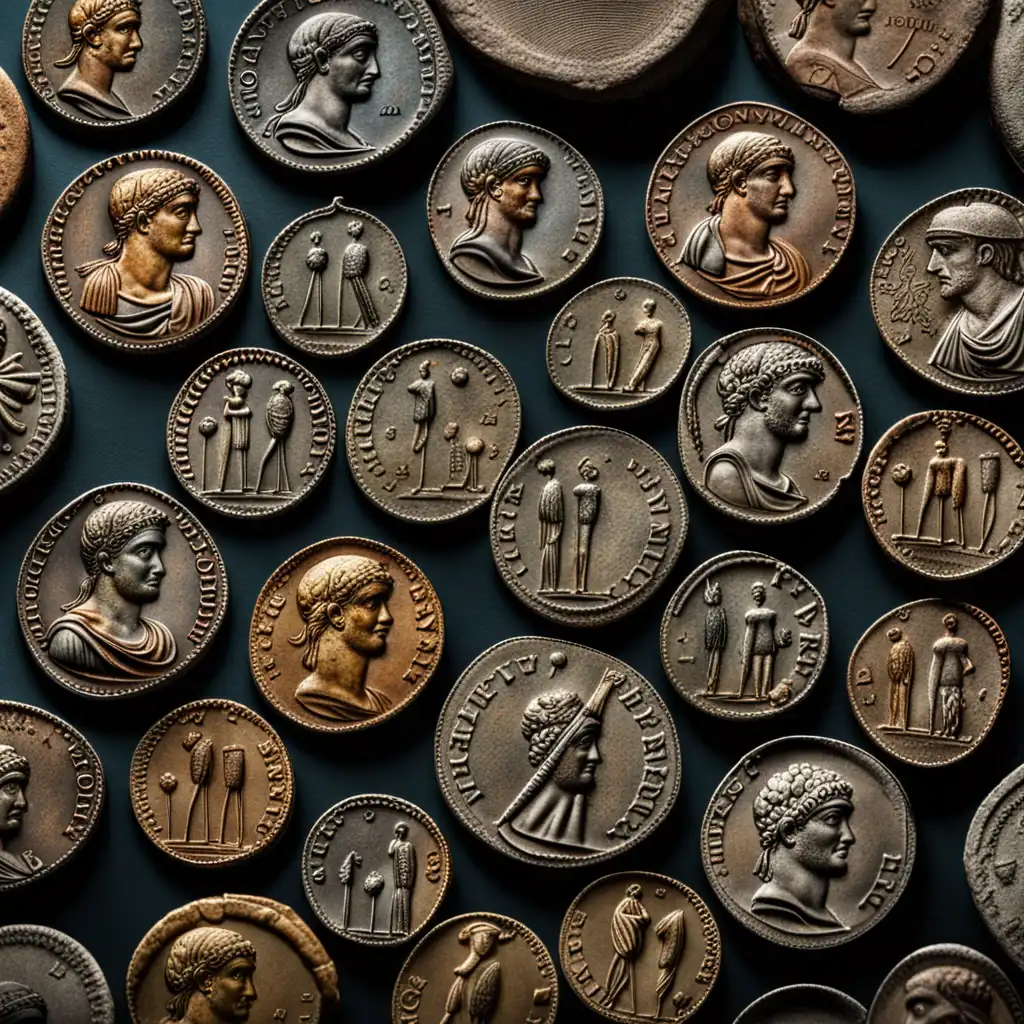
Coins collectively, especially when considered from the point of their design, quality, and history.
The ancient Roman coinage is known for its detailed depictions of rulers.
ˈkɔɪnɪdʒ
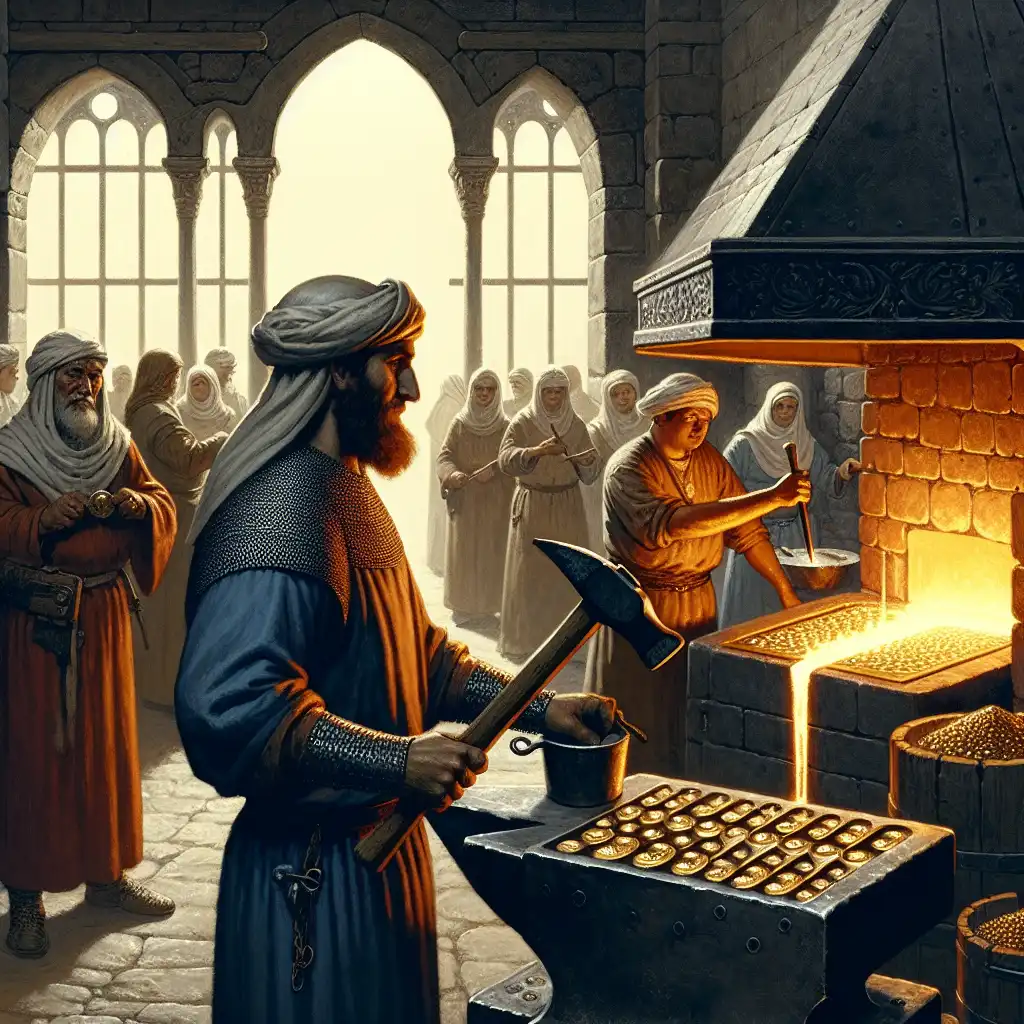
The action or process of coining money.
During the Middle Ages, the coinage was controlled by the monarch.
오디오를 불러오지 못했어요. 잠시 후 다시 시도해 주세요.
'Coinage' is a noun that means the act or process of creating coins. It refers to the production of coins as a currency by a government. It can also refer to the coins themselves as a unit of currency. For example, "The US Mint is responsible for the coinage of US currency." Or, "I found a coinage from the Roman Empire at a museum exhibit." In everyday language, 'coinage' is rarely used outside of a historical, financial, or numismatic context.
Coinage refers specifically to the act of creating a new word or phrase, while creation can refer to any act of making something new, whether it's a word, a physical object, or an idea.
Coinage is more commonly used in the context of language and linguistics, while creation can be used in a much broader range of situations.
단어 열기: Creation →Currency refers to the system of money that a country uses. This includes both coinage and paper money, but it also includes things like bank accounts and electronic transactions.
Coinage is a specific type of currency, while currency refers to the broader system of money that a country uses.
단어 열기: Currency →Invention refers to the creation of something entirely new, such as a machine, device, or process. For example, the invention of the telephone by Alexander Graham Bell revolutionized communication.
Coinage is applicable to language and words, while invention is applicable to new technologies, tools, and systems.
단어 열기: Invention →Coinage refers to the process of creating and issuing coins, while mint refers to the facility where coins are produced.
In other words, coinage is the act of making coins, and a mint is the place where the act occurs. Coinage can be applied to the act of creating coins, while mint can be applicable to the location or factory where coins are produced.
단어 열기: Mint →Coinage refers to the act of creating a new word, while nomenclature refers to the naming or classification of things.
Nomenclature is used more broadly to describe the system or rules used for naming things. This includes everything from scientific classifications of plants and animals to the organization of names in a directory or database.
Coinage refers to the creation of new words, while nomenclature refers to the organization and classification of names.
단어 열기: Nomenclature →Coinage refers to the act of creating new words or phrases, often to describe new ideas or concepts. Terminology refers to the specific words or phrases used to describe a particular topic or subject.
For example, a scientist might coin a new word to describe a newly discovered element, but the terminology used to describe the element would be the specific scientific terms for its properties and characteristics.
Coinage is applicable when new words or phrases are needed, while terminology is applicable when using the specific language associated with a particular field or topic.
단어 열기: Terminology →History vs. Henry VIII -...
YouTube에서 보기 ↗What is the effect of unlimited coinage of silver in this country? and I invite your attention to this particularly, because it is a question of vital importance.
Late 19th-century populists saw bankers and industrialists manipulating markets to enrich themselves at the expense of small farmers and labourers and favoured political candidates promising economic relief through free and unlimited coinage of silver.
Designs in connection with postage stamps and coinage may be described, I think, as the silent ambassadors on national taste.
I also turn down what's probably a good amount of coinage to be made out of playing dads, an incredible number of obnoxious dad.
We all understand that the debasement of a nation's coinage is very pernicious and must prove disastrous to its commerce. How much more dangerous is the debasement of the spiritual coinage!
On one occasion I saw a banner where my name read 'Sarvasri Bharat Balachandra Menon.' I was amused and decided to find out the reason for this coinage. One of the organizers confessed rather sheepishly that they were sure about me getting the Bharat award but were doubtful if I was a Padma Shri awardee.