masticate
verb masticate
ˈmæstɪkeɪt
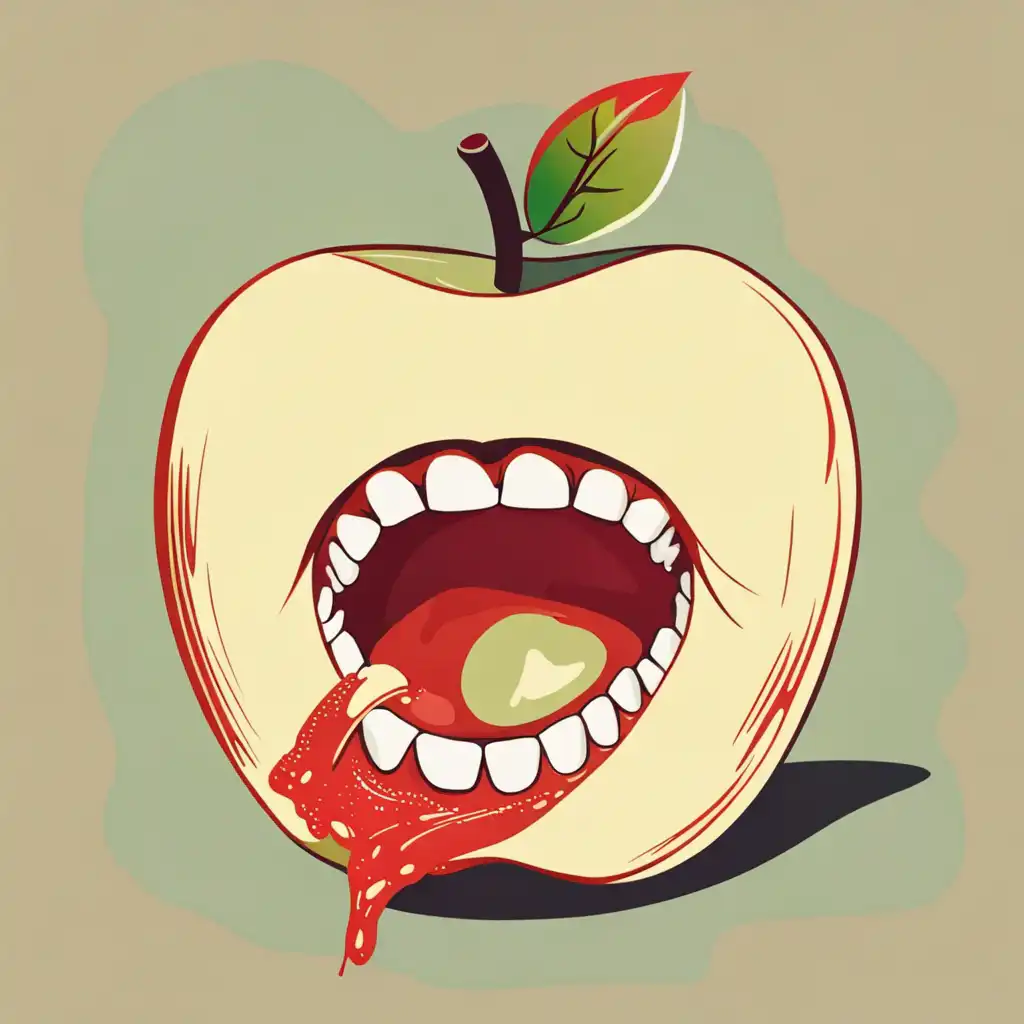
to chew food
Before swallowing, you should masticate your food properly.
masticate
ˈmæstɪkeɪt
Loading…
ˈmæstɪkeɪt
to chew food
Before swallowing, you should masticate your food properly.
ˈmæstɪkeɪt
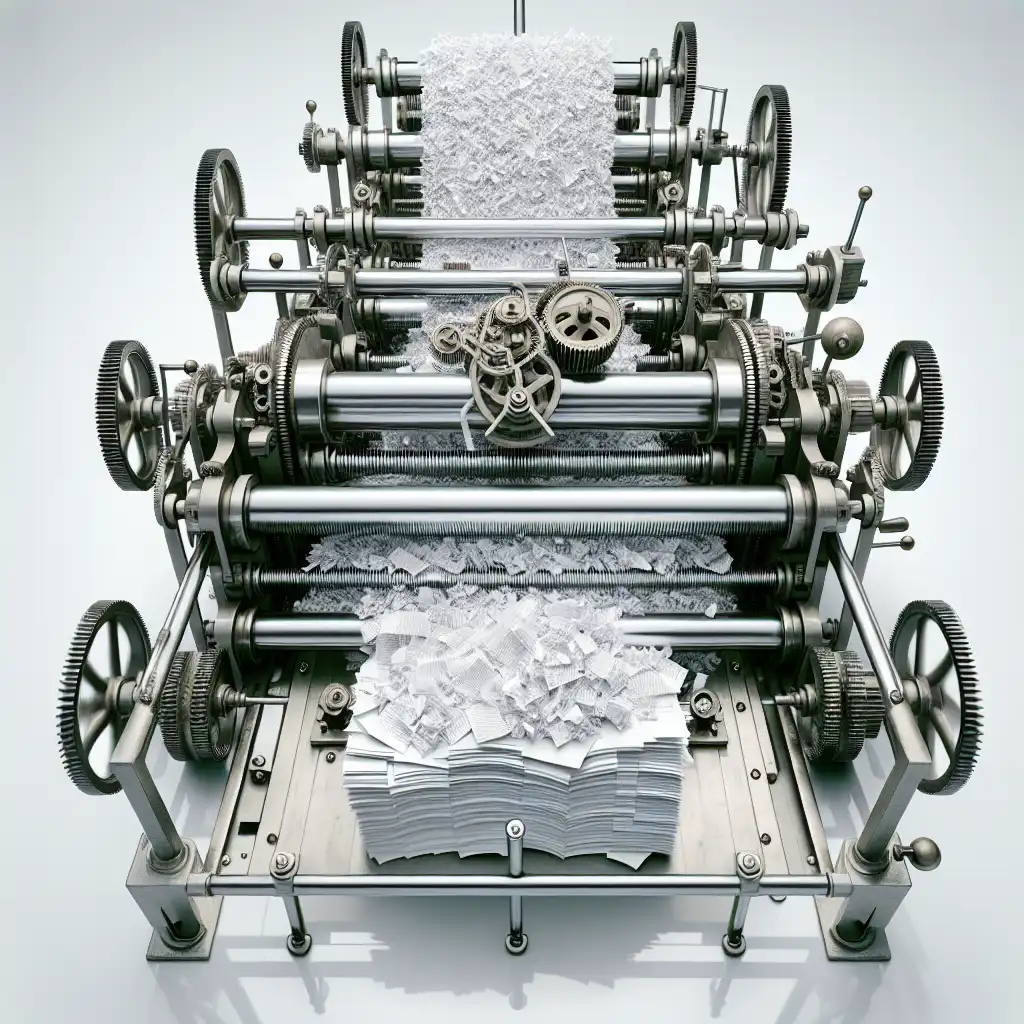
to reduce to a pulp by crushing or kneading
The machine masticates the paper into a pulp.

ˈmæstɪkeɪt
to think about something carefully and for a long time
He was left to masticate on the implications of the decision.
Audio could not be loaded. Please try again later.
The word 'masticate' means to chew food with your teeth. We use this word to describe the action of breaking down food into small pieces in your mouth so that it becomes easier to swallow and digest. We can use this word in sentences such as "It is important to masticate your food well before swallowing it" or "He masticated his food slowly and carefully." This word is commonly used in medical or scientific contexts but it can be used in everyday conversation as well.
Bite refers to the act of using your teeth to break off a piece of food or to clamp down on something. It is a general term that can be applied in all sorts of situations, like biting into an apple or biting a pencil.
Bite is a general term for using your teeth to grab something, while masticate is a more specialized term that refers to the act of chewing food.
Open word: Bite →Both words chew and masticate mean to grind food with the teeth in order to break it down into small pieces for swallowing.
The difference between the two is that chew is the more common and general term for the action of breaking down food with the teeth while masticate is a more formal and technical term that refers specifically to the process of grinding food with the molars.
Chew is the word that most people would use in everyday language, while masticate is more likely to be used in academic or scientific contexts.
Open word: Chew →Both chomp and masticate mean to chew food, but masticate sounds more formal and scientific while chomp sounds more casual and informal.
Masticate is a more technical term that is commonly used in academic and medical contexts. Chomp is a more colloquial term that is typically used in everyday conversation.
So, in general, masticate is applicable when you need to describe the act of chewing in a formal or technical context, and chomp is applicable in casual and informal contexts.
Open word: Chomp →Crunch refers to the sound that is made when biting and breaking things like chips, nuts, and crackers.
Crunch is used when describing the sound of breaking something hard or crispy, while masticate describes the action of chewing food.
Open word: Crunch →Gnaw is generally used to describe the action of biting or chewing on something with the teeth, particularly when doing so repeatedly or persistently, often to wear down or break apart the object being gnawed.
This term is often applied to animals, such as rodents who gnaw on wood or bones, or dogs who gnaw on toys.
Gnaw is used when referring to biting or chewing on something repetitively, while masticate is used when discussing the process of chewing food for digestion.
Open word: Gnaw →Grind and masticate both refer to the act of chewing, but they have slightly different meanings.
Grind typically refers to the act of breaking something into smaller pieces by crushing or rubbing it between two hard surfaces.
For example, when you use a pepper grinder to grind peppercorns, you are breaking them down into smaller pieces.
So, while both words refer to the act of chewing, grind is more general and can be used in different contexts, while masticate is more specific to the act of chewing food for digestion.
Open word: Grind →Munch means to eat something noisily or in a relaxed manner. It is a more casual and informal word, often used in everyday conversations.
So, in simple terms, masticate is about properly chewing your food and is used in more formal contexts, while munch is about eating in a relaxed manner and is used more informally.
Open word: Munch →Both masticate and ruminate are words that relate to chewing, but they have different meanings.
Ruminate, on the other hand, refers to the act of thinking deeply about something, like chewing over an idea. This term is often used to describe a person who is pondering something and continuously thinking about it.
Masticate is applicable when talking about the physical process of breaking down food in the mouth during eating, while ruminate is applicable when discussing the mental process of thinking deeply about something.
Open word: Ruminate →Safari Live - Day 218 %\PIPE%...
Watch on YouTube ↗I have my own personal masticating juicer at home. I sort of picked it up from friends a few years ago, and it just gives me more energy. Mostly green juice. Spinach, celery, kale, green apples, lemon, sometimes ginger - you know, like, nasty, euuugghhhh!
How about keyboards in your mouth? How fast can you type with your tongue? People will think you're just masticating, when you're really talking to your girlfriend.
It's disconcerting that there's been this weird business model focused on teenaged boys, and it comes with a completely unexamined social cost. I hope there's an awareness happening to create an audience habituated to seeing women as they really are, rather than just a masticated shadow.