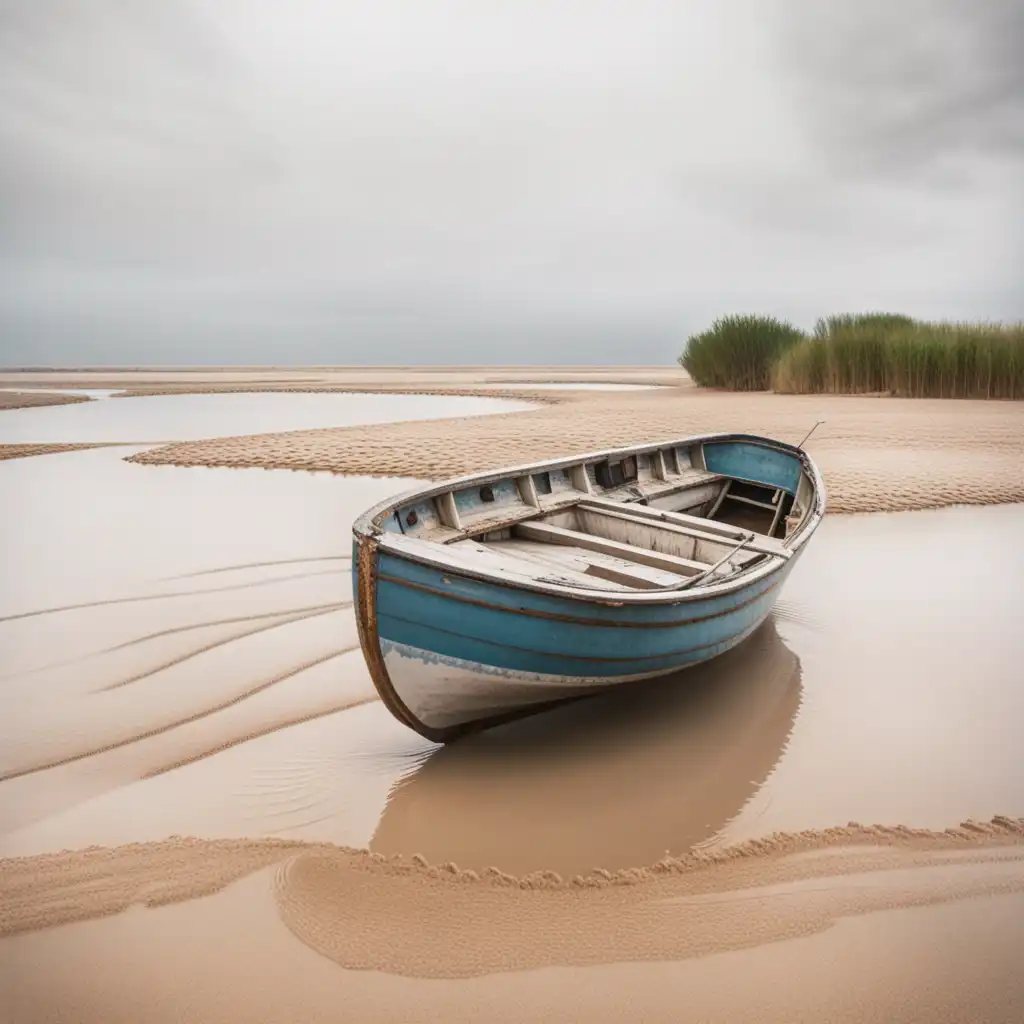
sandbank
noun sandbank
ˈsændbæŋk
A raised area of sand under the water in a sea or river
The boat ran aground on a sandbank.
sandbank
ˈsændbæŋk
लोड हो रहा है…
ˈsændbæŋk
A raised area of sand under the water in a sea or river
The boat ran aground on a sandbank.
ऑडियो लोड नहीं हो सका। कृपया बाद में फिर कोशिश करें।
A sandbank is a long mound of sand that you can find in rivers, oceans, and lakes. It usually appears above the water level, but sometimes it can be underwater. Sandbanks can be dangerous for boats, so it's important to know where they are and avoid them. People can also walk or play on sandbanks, especially when the tide is low and the sandbank is exposed.
A barrier is a structure, physical or otherwise, that serves to block, limit, or obstruct something. For example, a barrier can be a fence that prevents people from entering a certain area or a language barrier that makes communication difficult between people who speak different languages.
A barrier is something that serves to block or restrict access, while a sandbank is a natural landform made of sand that can cause problems for boats and other watercraft.
शब्द खोलें: Barrier →A berm is a raised strip of land that is built to prevent water from flooding.
A berm is man-made and used to prevent flooding, while a sandbank is a natural formation found in bodies of water.
शब्द खोलें: Berm →An embankment is a wall or mound of earth built to hold back water, usually along a river or waterway to prevent flooding.
An embankment is used to prevent flooding while a sandbank is a natural formation used for recreational or ecological purposes.
शब्द खोलें: Embankment →A reef and a sandbank are both underwater formations, but they are different from each other.
A reef is a long and narrow strip of rocks, coral or other materials found close to the surface of the water. Reefs are often found near shorelines or islands and can sometimes be visible above the water during low tide.
Reefs are important for marine ecosystems and can provide habitats for a variety of sea creatures.
To summarize, reefs are made of rocks or other materials, are long and narrow, and are important for marine ecosystems.
शब्द खोलें: Reef →A ridge is a long, narrow elevation or crest that rises up from a plain or valley. It is formed by natural causes like tectonic movements, erosion or volcanic activity.
A ridge can be rocky or covered with vegetation, and can be found on land or under the sea. Ridges are often used as hiking trails or to provide water for crops.
The main difference between a ridge and a sandbank is that a ridge is an elevated landform that can be found in any terrain, while a sandbank is a deposit of sand that forms along a shoreline or in a river.
शब्द खोलें: Ridge →Both sandbank and sandbar refer to a ridge of sand that is found in water.
Sandbar is used to refer to a smaller ridge of sand that is found in the ocean, near the shore.
Sandbars can be found in any water body, but are typically smaller and found in the ocean near the shore.
It is important to note that both sandbanks and sandbars can be dangerous to boats and swimmers, as they can cause sudden changes in water depth and create strong currents.
शब्द खोलें: Sandbar →Sandbank and shoal are both terms used to describe areas of shallow water in a body of water, such as a river, lake, or ocean.
A shoal is a shallow area of water in a body of water, such as a river, lake, or ocean. Unlike a sandbank, shoals may be composed of different materials, such as sand, mud or rock.
Shoals may be visible above the water's surface, or they may be hidden below the surface.
In some cases, the water may appear to be deeper than it actually is, making shoals a potential hazard for boats and ships.
Shoals are shallow areas of water that may be composed of different materials and may be visible or hidden below the surface of the water.
शब्द खोलें: Shoal →A spit is a long, narrow strip of land that extends from the mainland into the water. It is formed from the movement of sediment along the shoreline, and is usually found at the mouth of a river or in a bay.
Spits are often covered by water at high tide, and can be dangerous for boats because the water can become very shallow very quickly.
A sandbank is a raised area in the water, while a spit is a narrow strip of land that extends into the water. Both can be dangerous for boats and swimmers, but they are formed in different ways and occur in different parts of bodies of water.
शब्द खोलें: Spit →Could we speak the...
YouTube पर देखें ↗I developed my training routine going into my senior year at Jackson State. I found this sandbank by the Pearl River near my hometown, Columbia, Miss. I laid out a course of 65 yards or so. Sixty-five yards on sand is like 120 on turf, but running on sand helps you make your cuts at full speed.
Martin Schoeller: Kayapo...
YouTube पर देखें ↗