detritus
noun detritus
dɪˈtraɪtəs
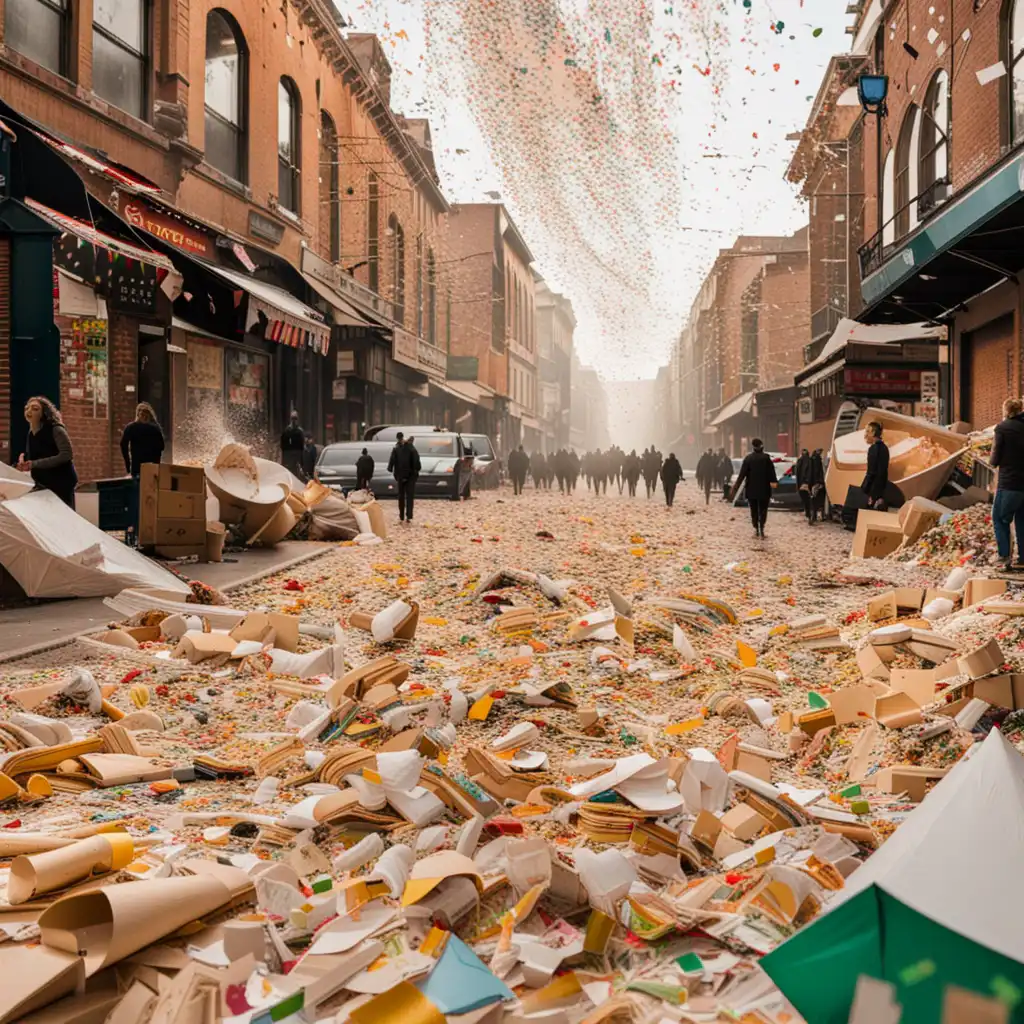
Waste or debris from any source
She swept up the detritus left in the city after the festival
detritus
dɪˈtraɪtəs
Chargement…
dɪˈtraɪtəs
Waste or debris from any source
She swept up the detritus left in the city after the festival
dɪˈtraɪtəs
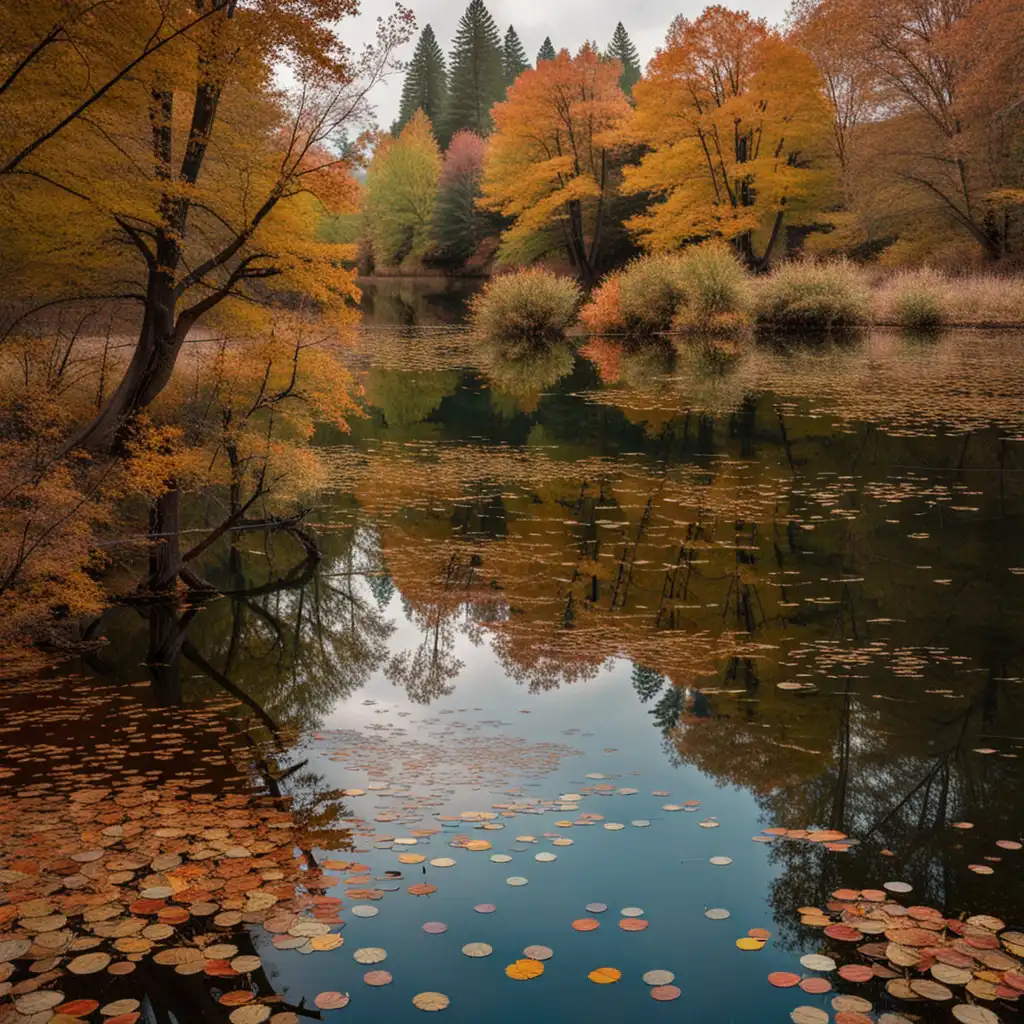
Bits of decaying organic matter
The lake was filled with detritus, such as fallen leaves and dead insects.
dɪˈtraɪtəs
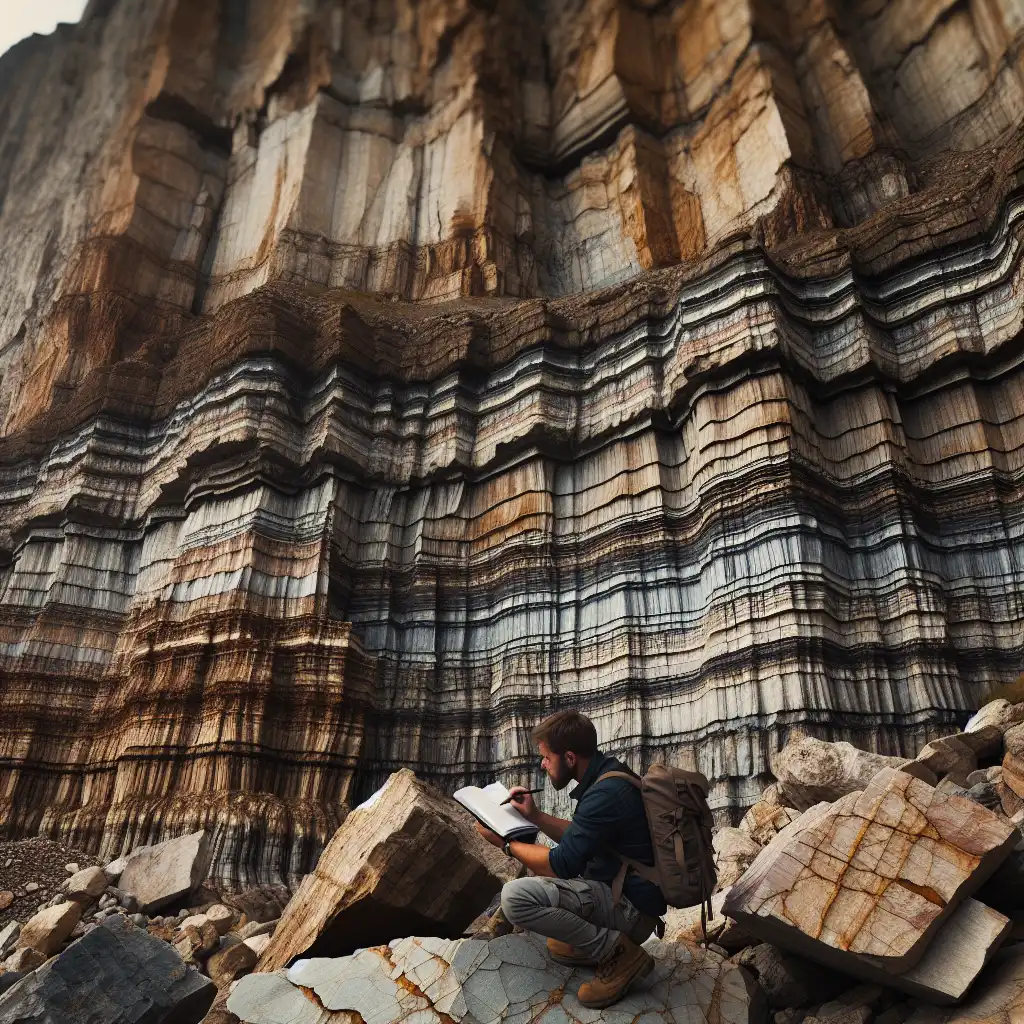
Tiny pieces of rock or mineral left from a larger rock formation.
The geologist studied the detritus at the foot of the cliff to learn more about the rock layers above.
Impossible de charger l’audio. Réessayez plus tard.
Detritus is a word used to describe small pieces of waste or debris that are left behind after something has been broken down or destroyed. It is often used in the context of nature, for example, fallen leaves that cover the ground or small twigs that litter a forest floor. However, detritus can also refer to litter or garbage in an urban environment. Essentially, detritus refers to any kind of small, broken up waste material that accumulates in a particular place over time.
Debris and detritus both refer to waste or leftover material, but they have slightly different applications.
Debris usually refers to larger pieces of waste, often resulting from a disaster or destruction. For example, after a tornado, debris might include broken tree branches, parts of buildings, or cars that have been thrown around.
The main difference between debris and detritus is the size and type of material they refer to and the context in which they are used.
Ouvrir le mot: Debris →Detritus refers to the debris and waste material left after natural processes like erosion or decomposition. Garbage specifically refers to human-produced waste material like food scraps, packaging, and other materials that are thrown away.
Detritus is more commonly found in natural environments, like forests and rivers, while garbage is found in urban areas, where people live and work.
Simply put, detritus is natural waste and garbage is man-made waste.
Ouvrir le mot: Garbage →Junk refers to objects that are considered useless, unwanted, or in a state of disrepair.
Junk can refer to both natural and man-made objects, such as broken furniture, old clothes, and discarded electronics.
Detritus is a term used to describe natural debris, while junk is more often used to describe man-made waste. So, when referring to natural materials that have broken down, the correct term is detritus.
But, when referring to unwanted or broken objects, the correct term is junk.
Ouvrir le mot: Junk →Litter typically refers to man-made waste that is intentionally or accidentally left behind in public spaces, such as discarded food containers or cigarette butts.
Detritus is a normal and necessary part of the ecosystem, while litter is harmful and can have negative impacts on the environment, wildlife, and human health.
Ouvrir le mot: Litter →Refuse refers to waste or garbage from human activities, such as food scraps, packaging, and other materials that are no longer wanted or needed.
Ouvrir le mot: Refuse →Rubble refers to pieces of broken stone, brick, concrete, or other materials that have been displaced or destroyed in a man-made structure or building.
Rubble is often associated with demolition or disaster sites.
Detritus is natural decay while rubble is man-made destruction.
Ouvrir le mot: Rubble →Scrap refers to leftover or discarded material from a manufacturing or construction process, like the metal pieces left over after cutting out parts from a sheet of metal.
Scrap can also refer to small pieces of material that are no longer useful or wanted.
Detritus is generally found in natural settings, while scrap is typically found in industrial or commercial settings. Detritus is a byproduct of natural processes, while scrap is a byproduct of human processes.
Ouvrir le mot: Scrap →Waste refers to any material that is discarded and no longer needed. This could include things like packaging, food scraps, or other items that are no longer useful or wanted.
Detritus is a natural byproduct of the environment, while waste is something that is created by human activity.
However, the two terms can sometimes overlap, as waste can also include organic materials that have been discarded.
Ouvrir le mot: Waste →Dead stuff: The secret...
Voir sur YouTube ↗The characters I've played that I like the most are people that have a lot of obstacles. They have a lot of bad things going on. They're seeking to do something good amidst all the detritus around them, and they're aware of how badly they've screwed it up. That kind of self-awareness is tragic.
Asha de Vos: Why you...
Voir sur YouTube ↗Executives don't burn out and leave when they feel deep satisfaction. They don't create the human detritus that disgruntled managers do.
The Strange and...
Voir sur YouTube ↗I love to vacuum. There's just something so satisfying about hearing detritus sucked up into a vacuum. Sand makes such a great sound when being vacuumed off a hardwood floor.
Sea Otters Playing with...
Voir sur YouTube ↗Things we write down are the fragments shored against our ruins. They outlast us, these scraps of words on paper. Like the detritus from the tsunami washing up on the other side of the ocean, writing is what can be salvaged.
Why We Need To Talk Shit...
Voir sur YouTube ↗Apart from its dangers, much of Iraq isn't very interesting to look at. The landscape is flat and dun colored. The dirt just beyond the highway is littered with hunks of twisted and mangled metal, some of it the detritus of wars, some of it just unclaimed junk. The countryside looks muddy and broken.
Why do you get a fever...
Voir sur YouTube ↗I find my best writing time is actually 6 A.M., before the detritus of the day - the fish fingers and the school uniform and dogs and bills - have had a chance to clog up my brain. I can usually get 500 words done before 7 A.M. But it is difficult, and the Internet, and social networking, are terrible timesucks.
This sea creature...
Voir sur YouTube ↗Only in retrospect can I find clues to my father's gayness. Sometimes the dull detritus of our pasts become glaring strands once you realize they form a pattern, a lighted path to the present.
The sharks that hunt in...
Voir sur YouTube ↗The ambition of 'Ten Thousand Saints,' Eleanor Henderson's debut novel about a group of unambitious lost souls, is beautiful. In nearly 400 pages, Henderson does not hold back once: she writes the hell out of every moment, every scene, every perspective, every fleeting impression, every impulse and desire and bit of emotional detritus.
Safari Live - Day 329 %\PIPE%...
Voir sur YouTube ↗What is dust made of? -...
Voir sur YouTube ↗