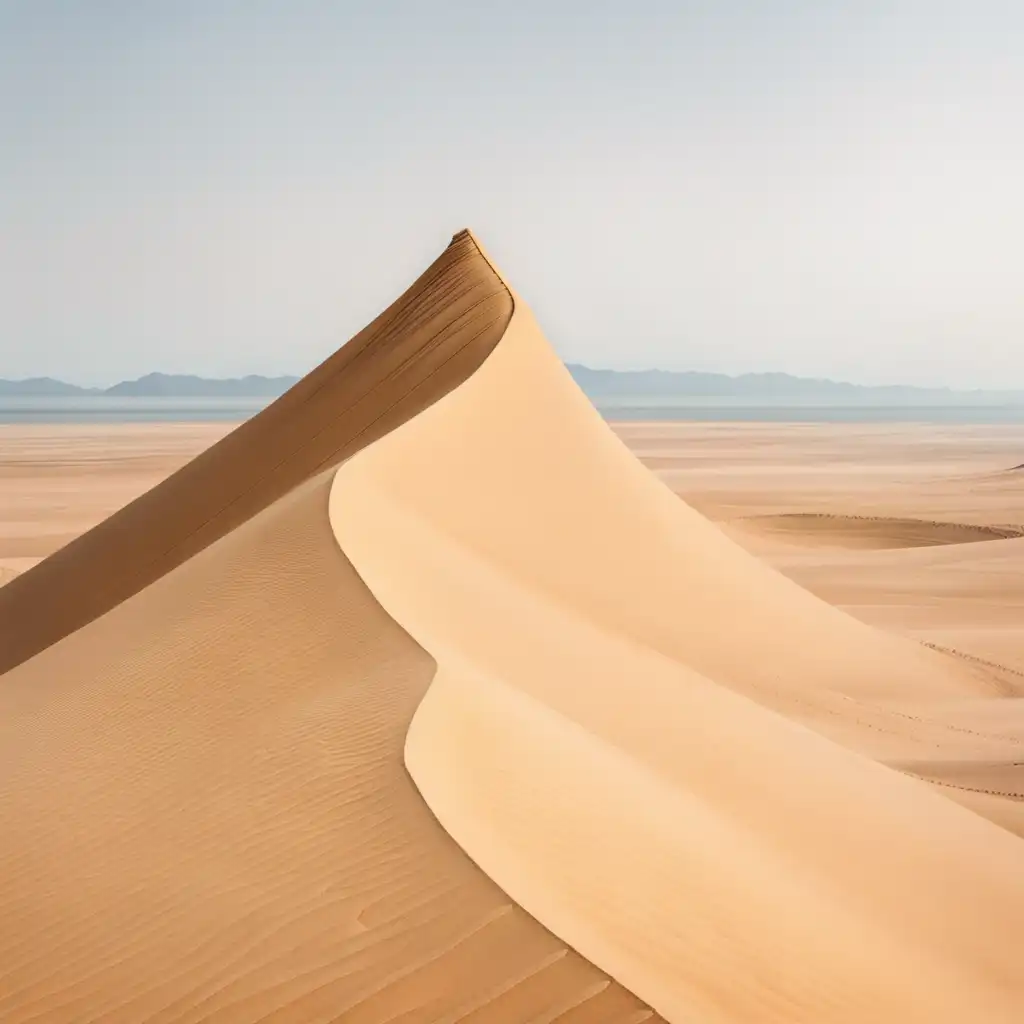
dune
noun dune
duːn
A hill of sand built by the wind, near the sea or in a desert
There are many large dunes in the Sahara Desert.
dune
duːn
Cargando…
duːn
A hill of sand built by the wind, near the sea or in a desert
There are many large dunes in the Sahara Desert.
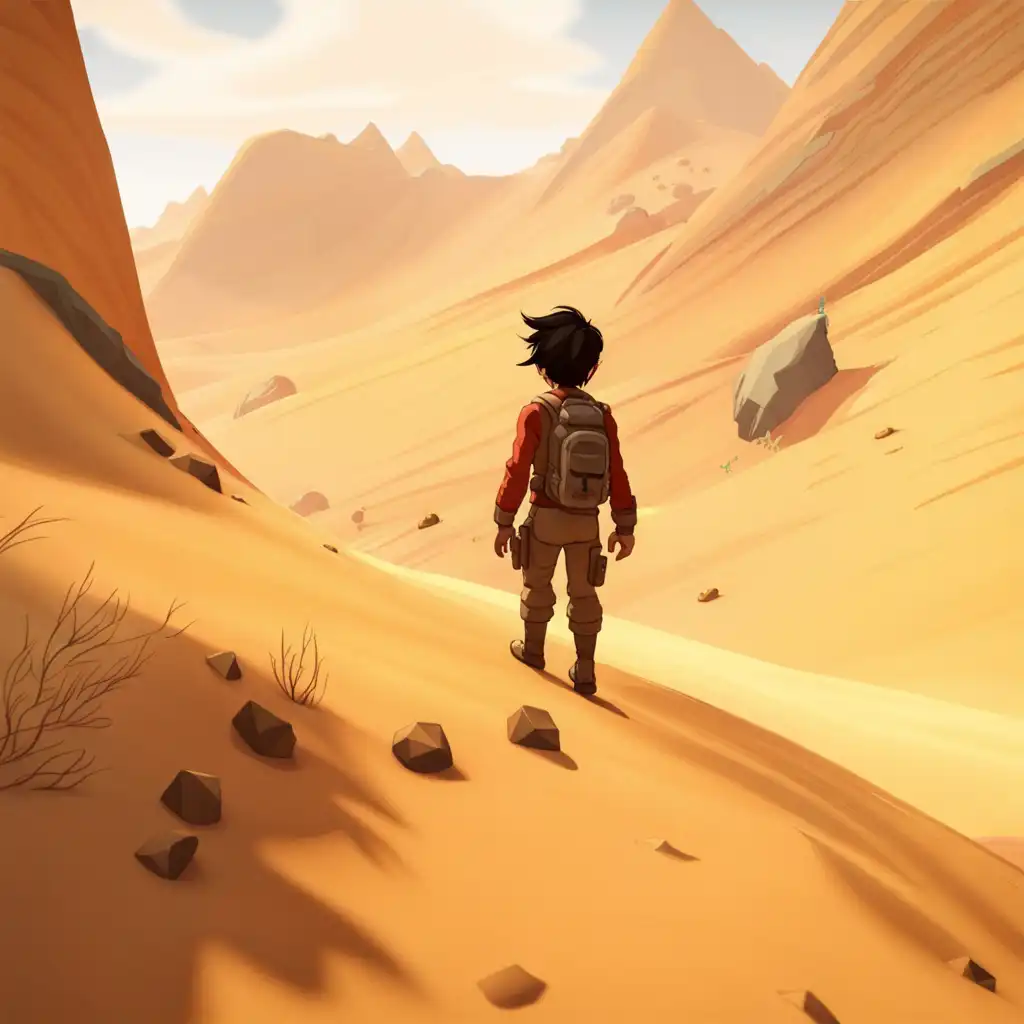
duːn
A sand hill in a videogame environment
In the game, my character was stuck between two steep dunes.

duːn
A sandboarding or snowboarding slope
She raced down the dune on her snowboard.
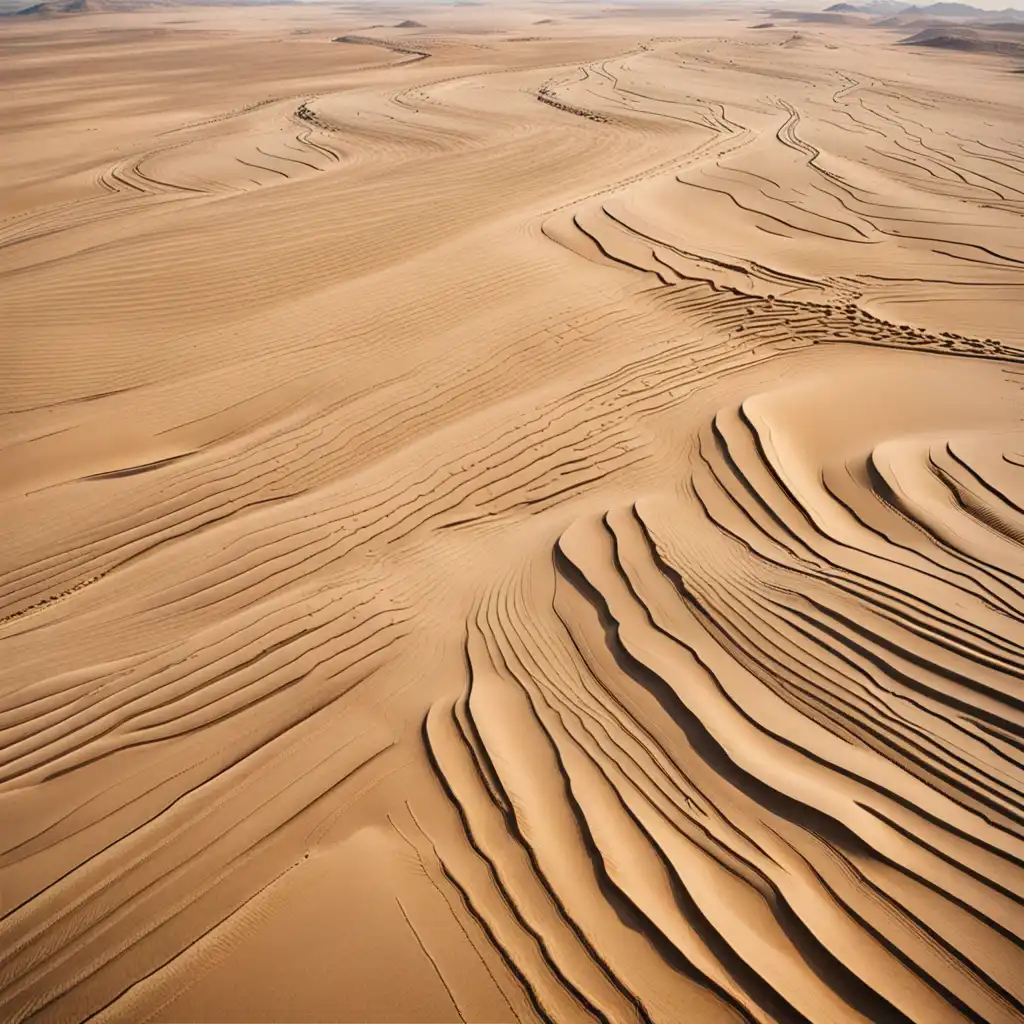
duːn
A line or ridge of sand piled up by the wind
Careful mapping of sand dunes help in understanding the geological history of the area.
No se pudo cargar el audio. Inténtalo de nuevo más tarde.
A dune is a big hill of sand formed by wind or water in deserts or coastal areas. You might see dunes at the beach, where the wind helps create hills of sand that can be really fun to climb or sled down. You can also find dunes in desert areas where there isn't much vegetation. So, when you're talking about a big hill of sand formed by wind or water, you can use the word "dune".
Dune and embankment are two different types of landforms.
An embankment is a man-made or natural mound of earth, stones or concrete that supports a road or a railway track, or protects land from flooding.
A dune is a natural feature that is made of sand and is found in sand environments, while an embankment is man-made or natural and is used to support structures or protect land from flooding.
Abrir palabra: Embankment →A sandbank is a temporary mound of sand that forms in a river, estuary, or coastal region. Sandbanks are usually smaller in size than dunes and can be submerged by water during high tide or floods.
In summary, dunes are large sand hills formed by wind or water in deserts, coasts or arid regions, while sandbanks are smaller mounds of sand formed by water deposition in rivers, estuaries or coastal regions.
Abrir palabra: Sandbank →Water slowly moves through its cul-de-sac shape and encounters the world's largest freshwater dunes, many wildlife species, and unique fossilized coral. To the east is Lake Huron which has the longest shoreline. It's sparsely populated but heavily forested,
Ver en YouTube ↗As you wake up to sort of Morocco coming to life, and you drive a two hour journey through the desert as the sun is rising over the sand dunes... I saw landscapes and visual stuff that I'll never forget. It was special.
this must be the easiest place in the world to get lost i'm in the great sea of sand in the eastern sahara behind me to the south wave upon wave of dunes stretch for hundreds of miles it will be hard to imagine
Ver en YouTube ↗We Americans think, in every country in transition, there's a Thomas Jefferson hiding behind some rock or a James Madison beyond one sand dune.
and piles up the dune gradually moves over time this is pretty typical weather along the coast the island in the background had a great colony of gannets which our guide said we could easily
Ver en YouTube ↗Tel Aviv is new, built on the sand dunes north of Jaffa in the 1890s, about the same time Miami was founded. The cities bear a resemblance in size, site, climate, and architecture, which ranges from the bland to the fancifully bland.
has a big old hump on its back for storing water for those long desert treks, has big broad feet to help it tromp over sand dunes. So how on earth would one of these guys end up in the High Arctic? Well scientists have known for a long time turns out, even before Natalia's discovery,
Ver en YouTube ↗We love to race in the sand dunes in Glamis.
data are everywhere we can use people's web searches to track flu outbreaks in different places around the world at different times satellite images provide real-time high-resolution image of mangroves and salt marshes and beach dunes globally that we can use to track
Ver en YouTube ↗There's something incredibly sexy about sand and sweat and dunes photographed like women's backs.
Gobi and he told me about this area of the of the Gobi called the body and Juran has the tallest sand dunes in the world but most unusual are the dunes are separated by lakes and that this was really weird like why aren't the lakes filled up with sand to get an area like this what's really tricky physically it was difficult but politically it was
Ver en YouTube ↗That's the thing I'm worst at: resting. I have to be forced to do it. Sometimes I think of loopholes. 'Oh, I'm just going for a walk, up a dune that's 45 degrees, but I'm walking, so it's not a workout.
you know sand dune we would get stuck. But the reality is that the rover would sort of float over it. But we were freaked out for a little while. So we did some testing. And then we decided to go. But we didn't decide to go all at once. We put a toe in and then put another toe in, we drove up to the top and looked over and then we drove back. Then we said "Okay go."
Ver en YouTube ↗Success in sport is based on you thinking you are doing something to gain that edge, but if I wanted that little bit extra, I would go and run up sand dunes at Merthyr Mawr.
Those observations have revealed a delightfully varied world, with ground fogs, high altitude hazes, possible clouds, canyons, towering mountains, faults, craters, polar caps, glaciers, apparent dune fields,
Ver en YouTube ↗I grew up with a big backyard that led to the sand dunes of Lake Michigan.
And it always knows where it is on the beach. So it's very simple brain. It says well there's the sea there are dunes and I'm here. So it's a sort of imagination of the simple world of the beach animal. Thank you.
Ver en YouTube ↗I think the Netherlands will become one big city at a point. It is inevitable when you live in a country with so many people. You cannot afford to leave nature as it is. Some people believe that the dunes should be left in their original state, but I think it's strange to let things become how they were 500 years ago.
a kind of false catchment. The desert is there sand dunes some small field. And this is all big raised platform. You can notice the small holes the water will fall on this catchment,
Ver en YouTube ↗One billion grains of sand come into existence in the world each second. That's a cyclical process. As rocks and mountains die, grains of sand are born. Some of those grains may then cement naturally into sandstone. And as the sandstone weathers, new grains break free. Some of those grains may then accumulate on a massive scale, into a sand dune.