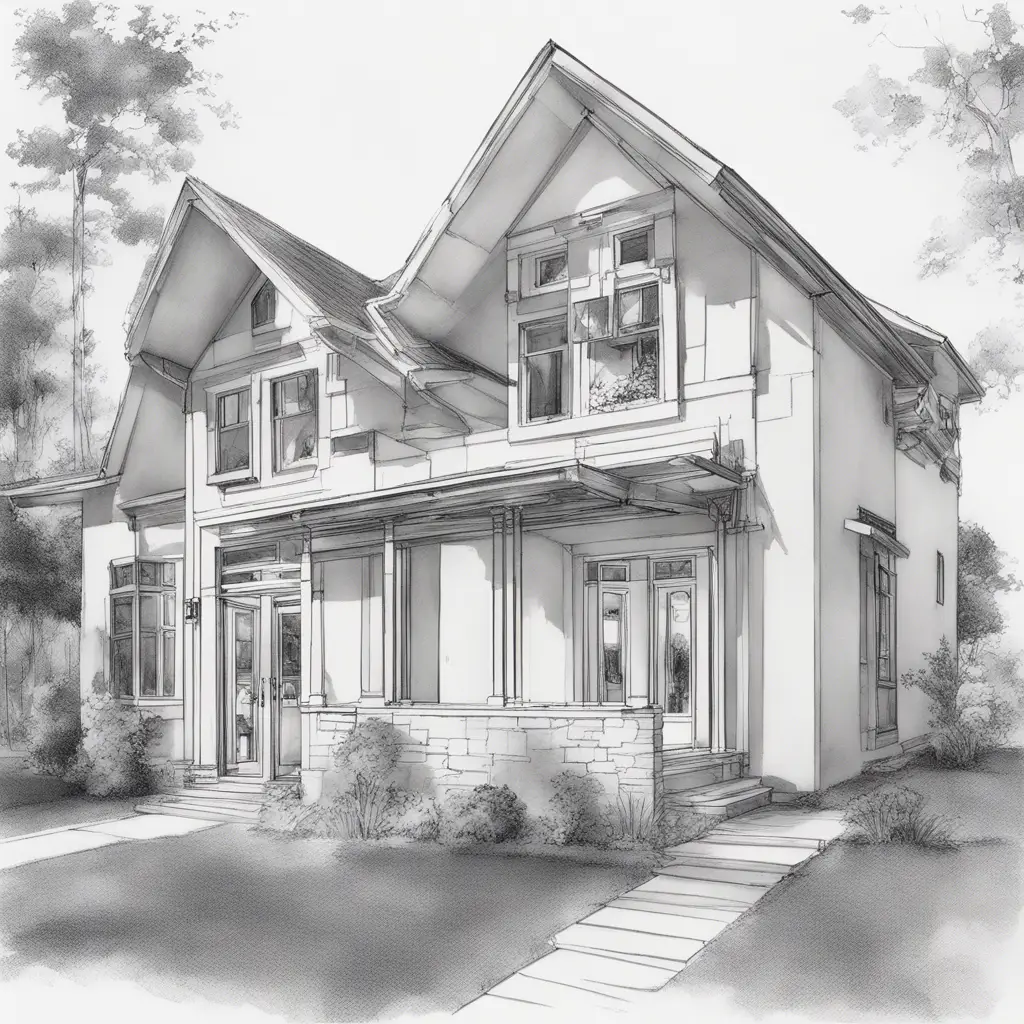
outline
noun outline
ˈaʊtlaɪn
A general description or plan showing the main characteristics of something.
He drew up an outline of his speech for the presentation.
outline
ˈaʊtlaɪn
Loading…
ˈaʊtlaɪn
A general description or plan showing the main characteristics of something.
He drew up an outline of his speech for the presentation.
ˈaʊtlaɪn
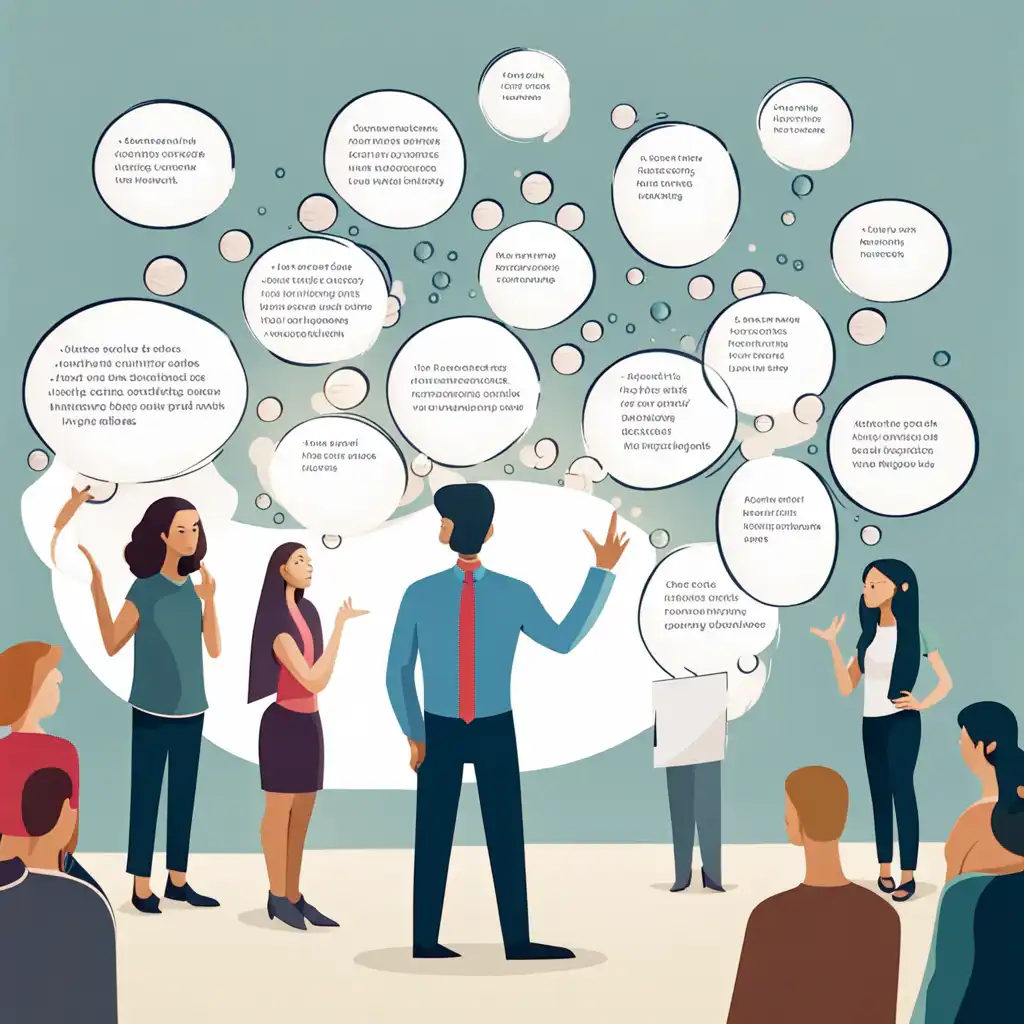
To describe something briefly or give the main points or summary of it.
Could you outline your ideas for the project?
ˈaʊtlaɪn
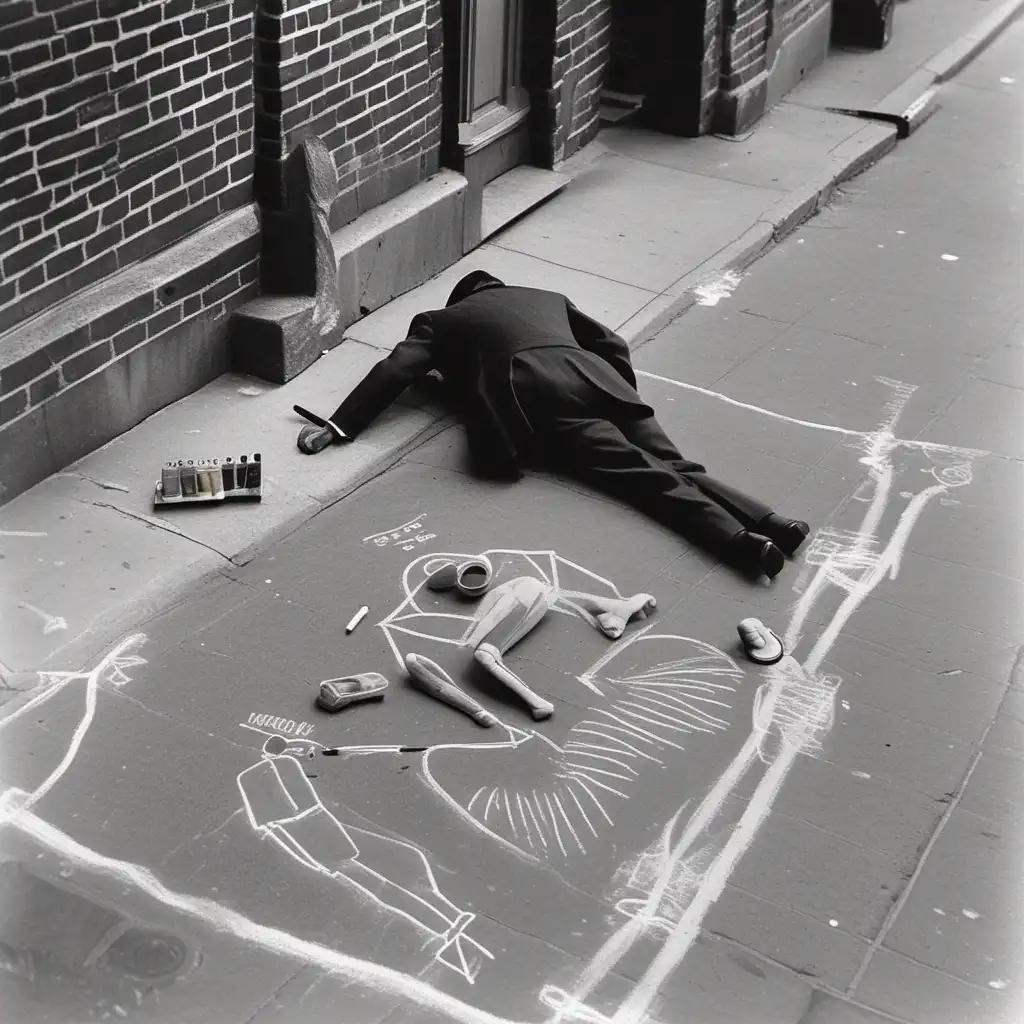
A line that represents the outer edge of something or someone.
The detective outlined the victim's body with chalk.
ˈaʊtlaɪn
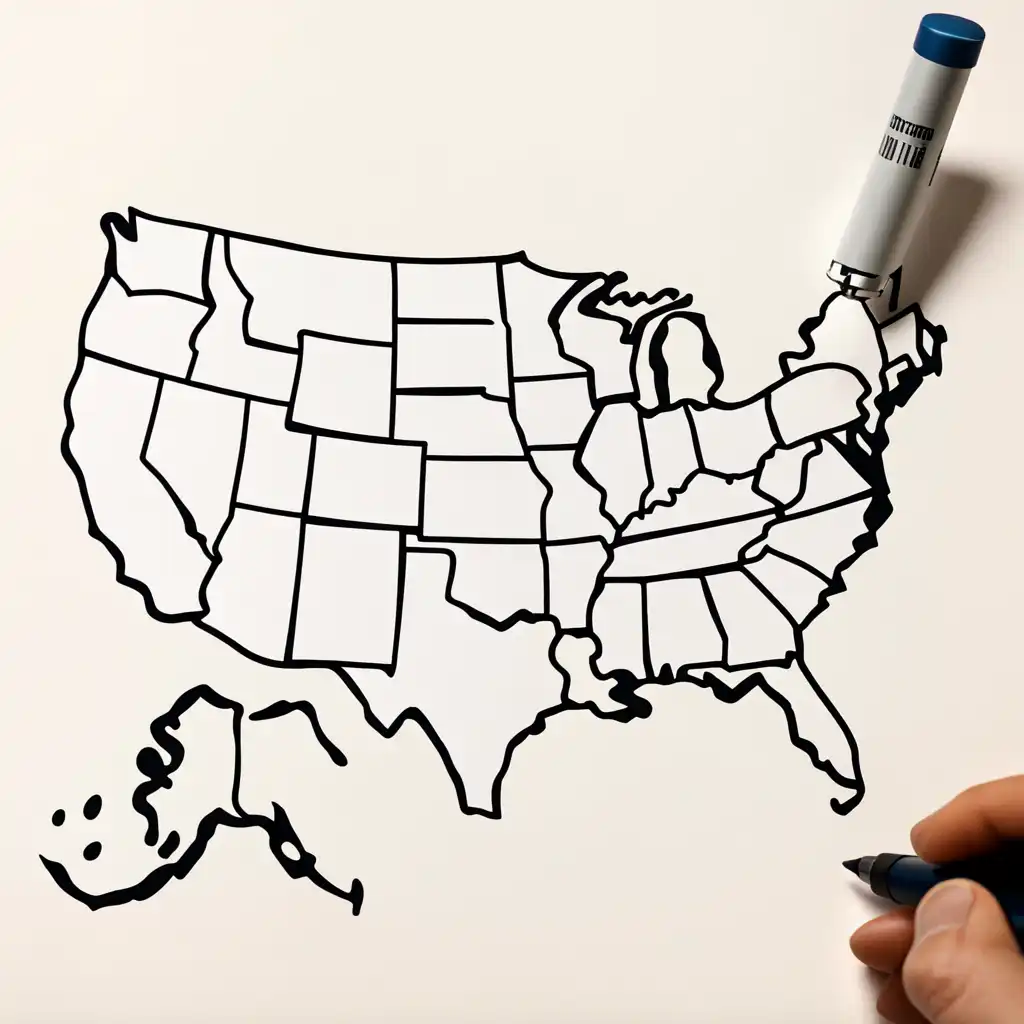
To draw, trace, or define the outer edge or shape of something.
I outlined the map of the United States with a marker.
Audio could not be loaded. Please try again later.
The word 'outline' means to create a plan or a summary of something. We use it when we want to organize our thoughts or ideas to present them in a clear way. For example, if you have to write an essay, you might want to create an outline first to map out the main points you want to make. Or if you have to give a presentation, you might want to prepare an outline to make sure you cover all the important information. Essentially, an outline helps you structure your ideas and convey them in a logical manner.
An abstract is a brief summary of a longer piece of writing or research. It typically includes the main points and conclusions of the work.
An abstract is useful for someone who wants to get a quick understanding of the work without reading the entire piece.
An abstract is a summary of a completed work, while an outline is a plan for a work that is yet to be completed. The former is used to provide a quick understanding of a work's scope and content, while the latter is used to organize thoughts and ideas before writing or presenting.
Open word: Abstract →A blueprint is a detailed plan or design that shows how to build something, usually a building or machine. It includes specific measurements and materials needed to complete the project.
Blueprints are used by architects, engineers, and builders to guide them in constructing the final product.
In summary, blueprints are used in construction or engineering to provide detailed plans and measurements, while outlines are used in writing and speaking to organize ideas and topics.
Open word: Blueprint →A draft refers to a rough version or initial attempt at writing or creating something, while an outline is a structured plan or framework outlining the main points or topics to be covered in a piece of writing or project.
Drafts are applicable when you need to start writing something, but may not have a clear plan or understanding of what you want your final product to be.
In summary, drafts are used to create a rough version of a work, while outlines are used to establish structure and organization before the writing process begins.
Open word: Draft →A framework is a structured plan or approach that serves as a guide for a project or task. It provides a set of rules, guidelines, and best practices that help people to organize information and ideas in a logical and effective way.
Frameworks are typically used in complex projects where there are multiple moving parts that need to be coordinated.
In summary, frameworks are more comprehensive and complex plans that provide detailed guidance for complex projects or tasks, while outlines are simplified versions that are used to organize ideas and ensure that work is on track.
Open word: Framework →An overview is a general description of a topic or subject that provides a broad understanding of what it entails, without going into specific details.
Overviews are often used to introduce a subject or to provide a summary of what will be covered. For example, an overview of a book would introduce the main characters and highlight the major themes without going into specific plot details.
In essence, an outline is detailed and structured while an overview is more general and presented in a broader sense. Both are useful in different contexts, such as outlining a research paper or providing an overview of a company's operations in a business presentation.
Open word: Overview →A plan is more detailed and comprehensive. It includes specific steps, timelines, and resources needed to accomplish a goal.
In simpler terms, you might use an outline to get an idea of what you want to say in your essay or speech, while a plan is what you would use to figure out how you will execute a project or task.
An outline is more general, while a plan is more specific.
Open word: Plan →Both outline and skeleton are used to describe the basic shape or structure of something.
However, an outline refers to a general, basic shape or plan of something, while a skeleton refers to the underlying structure of something that provides support for other parts.
The skeleton of a human body refers to the underlying structure of bones that provide support for the body's muscles and organs.
An outline describes a plan or general shape or structure, while a skeleton describes the underlying, supportive structure of something.
Open word: Skeleton →Sketch is a rough drawing or design made quickly to capture the basic idea or concept of something.
An outline is a detailed plan while a sketch is a rough idea or concept. An outline is more organized and structured, while a sketch is more free-form and creative.
Open word: Sketch →A summary is a brief statement that captures the main points or essence of a longer text or speech.
It is often used to provide a condensed version of a longer work, or to help someone quickly understand the key ideas. For example, if you read a chapter in a book about the history of ancient Greece, a summary would capture the main events and ideas in a few paragraphs, such as the rise of Athens and the Persian Wars.
In summary, outlines are used to plan and organize ideas, while summaries are used to provide a brief overview of the key points in a longer work.
Open word: Summary →A synopsis is a brief summary of the plot or main points of a story, book, movie, or TV show.
It is often used to help people quickly understand what a story is about, without giving away too much detail. For example, if you were recommending a book to a friend, you might give them a synopsis of the plot so they can decide if they are interested in reading it.
In short, outlines are used to organize and structure ideas, while synopses are used to summarize stories.
Open word: Synopsis →Iambic pentameter is when he takes ten steps. Our pirate friend can even help us remember how to properly mark it if we image the footprints he leaves walking along a deserted island A curve for unstressed syllables and a shoe outline for stressed ones.
Watch on YouTube ↗Coaches who can outline plays on a black board are a dime a dozen. The ones who win get inside their player and motivate.
and I make work about technology. I do things like draw life-size outlines of military drones in city streets around the world, so that people can start to think and get their heads around these really quite hard-to-see and hard-to-think-about technologies.
Watch on YouTube ↗I always have a rough outline, but I'm shocked at how little I actually follow it. Those characters keep doing things that I never expected. I think if I crept up to my keyboard and peeked, they'd be talking about things behind my back. Okay, that's a little paranoid and delusional... but just a little.
out there by all due respect National Geographic you know big settlements thousands of houses and all that they say oh look we found the outline of a house the steps go down this is where they had their
Watch on YouTube ↗Outlining is like putting on training wheels. It gives me the courage to write, but we always go off the outline.
but for the most sensational spectacle you have to turn the lights of the submarine off a jellyfish outlined by its own pulsing
Watch on YouTube ↗Outlining is not writing. Coming up with ideas is not writing. Researching is not writing. Creating characters is not writing. Only writing is writing.
so therefore I stand then I started singing some of these songs again and the reason for that was because they have this kind of innocent very simple kind of like childlike thick outline and colorization primary color it all the songs have that kind of feeling and
Watch on YouTube ↗In the pre-production process, I am emailing with the actors or jumping on the phone, and we're sort of figuring out who the characters are and trying to build the relationship dynamic and things like that. Then, also, I am outlining.
that it doesn't need much talking about -- but I guess I may be very wrong about that, and everything else that I've said. So don't go back and read my dissertation. It probably has lies in it as well. Having said that I outlined my talk about five minutes ago.
Watch on YouTube ↗SOON was the first novel where I used a rough outline. Usually I have characters and an idea and write as a process of discovery. Like working without a net.
than in any other part of the world. And some of the reason for that is that people take what happens to them extremely personally -- they own their success but they also own their failure. Is there any relief from some of these pressures that I've been outlining? I think there is. I just want to turn to a few of them. Let's take meritocracy.
Watch on YouTube ↗I've found that in fiction - and this is just the kind of writer I am - I can't really work from an outline. I have a vague idea of the characters at the beginning of the book, and then I have a vague idea of whatever the end of the book will be, but I can't approach creative nonfiction like that.
it goes through the steps we just outlined. First it collects data about your answers, then it compares your choices and preferences to other people's in simple mathematical ways. This the ability to take real-world phenomena and make them something a microchip can understand, is I think the most important skill anyone can have these days.
Watch on YouTube ↗I usually start with an ending, then outline high points of things that happen, and kind of make up the rest as I go along. Occasionally, the characters surprise me, and I wonder how we got here. Other times, the characters are stubborn and won't do something I want them to in the story.
Which I'm glad you liked but they did not like that at all. Silence on the phone. And into the silence I said "I'd be happy to speak at your school, but that's not a wellness week that's a sickness week. You've outlined all the negative things that can happen,
Watch on YouTube ↗I start writing with only the vaguest idea about who my characters are and what is going to happen, and the characters and plot come into existence as I go. I've tried doing it the other way, but for me, outlining is a waste of time because I never follow the outline.
will hear echoes of their experiences and outlines of what's possible. We can and we must engage parents, demand equity, support the whole student and rethink assessment.
Watch on YouTube ↗The important discovery I made very early is that my novels had to be written without any given plan or outline. I can't do it in any other way. But then they are dependent on the sentences, my intuition, and, as I have experienced many times, the subconscious.