
prefect
noun prefect
ˈpriːfekt
A student chosen to help the school staff in their tasks and keeping discipline.
John has been appointed as the new prefect of his high school.
prefect
ˈpriːfekt
読み込み中…
ˈpriːfekt
A student chosen to help the school staff in their tasks and keeping discipline.
John has been appointed as the new prefect of his high school.
ˈpriːfekt
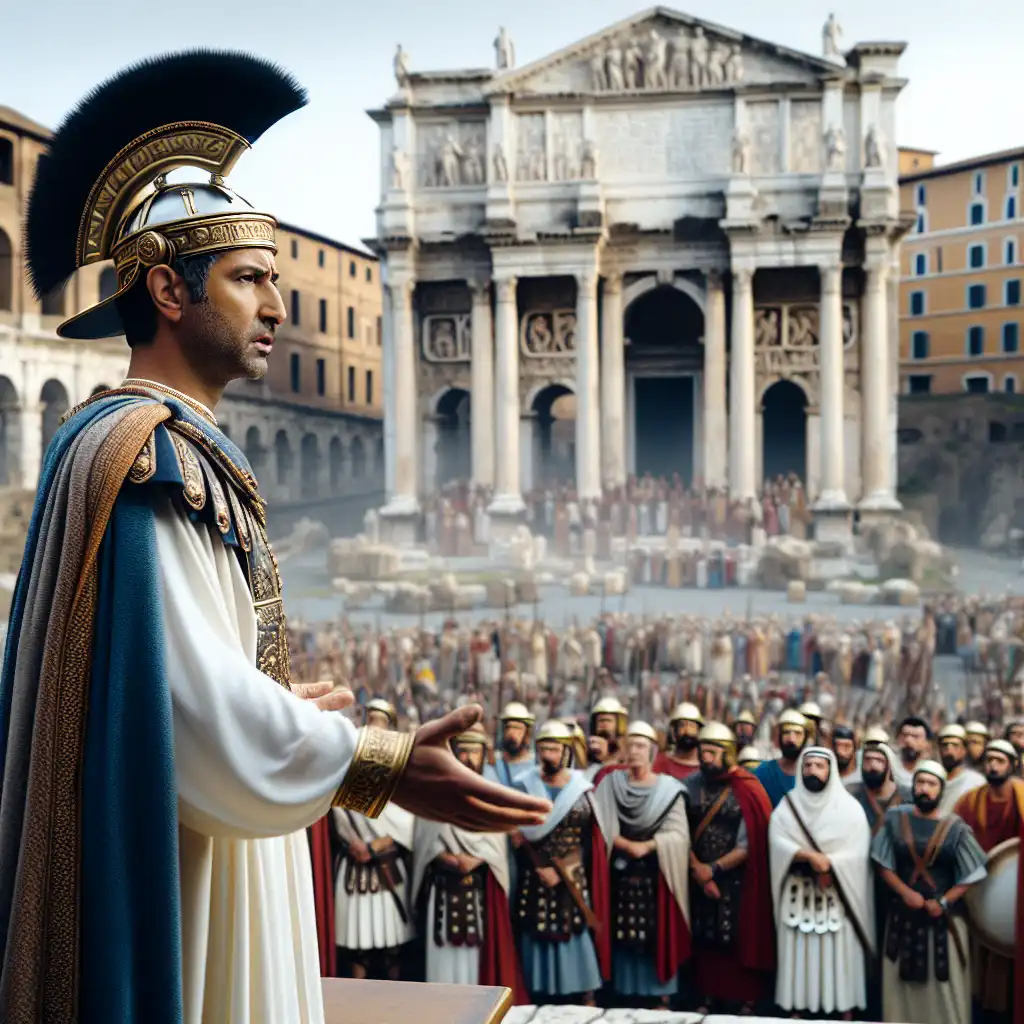
A person who is in charge in a government or administrative role, especially in ancient Rome.
The prefect of Rome was responsible for maintaining law and order in the city.
音声を読み込めませんでした。しばらくしてからもう一度お試しください。
A prefect is a term used in some schools to describe a student who has been given special responsibilities to help keep the school organized, safe and comfortable. They may help to supervise other students, keep an eye on the school's facilities, or help organize events. In some schools, prefects may have specific duties or roles, such as being in charge of a particular area of the school, like the library or sports equipment. It's important to note that the word "prefect" is not commonly used outside of the school context.
An administrator is a person in charge of managing an organization or institution, such as a school, hospital, or business.
The main difference between the two is that an administrator is a professional who is employed to manage an organization, while a prefect is a student who is elected or appointed to lead their peers within a specific school community.
単語を開く: Administrator →Chief and prefect refer to different types of leadership roles.
Chief generally refers to the highest ranking person in a group, organization, or company. For example, a company might have a Chief Executive Officer (CEO) who is in charge of all the company's operations.
In a tribe or community, a Chief is a leader who makes important decisions and represents the people.
Chief is a broader term used for leaders of larger groups or organizations, while prefect is a specific term used for student leaders in a school environment.
単語を開く: Chief →A director is a person who is in charge of managing and directing a certain organization or company. They have the authority to make decisions and give orders to employees.
A director is applicable in a professional setting like a company or organization, while a prefect is applicable in a school or college setting.
Directors have greater responsibilities and powers, while prefects have a lesser degree of authority but are nonetheless important in maintaining order in the school.
単語を開く: Director →Governor and prefect both refer to individuals with authority over a region or organization, but there are some differences.
A governor is typically a leader of a state or province, appointed by a national government. They have powers to enforce laws within their jurisdiction, support local economies, and oversee the administration of their territory.
Governors in the US, for example, have executive powers to issue executive orders, appoint judges and other officials, and veto legislation passed by the state's lawmakers.
They report to and assist the governor, who has broader authority over the state or province.
The main difference is that a governor holds higher authority and typically oversees a larger jurisdiction than a prefect.
単語を開く: Governor →A head typically refers to a person who is in charge of a specific department or organization. For example, a school may have a headmaster or headmistress who is responsible for the overall management of the school.
A head is typically used to refer to someone who is in charge of a broader area or organization, while a prefect is a specific position of authority within a smaller group, such as a school.
単語を開く: Head →Leader refers to someone who has the ability to guide and direct a group of people towards a common goal or purpose.
A leader is usually chosen based on their skills, knowledge, and experience in a particular area, and they are responsible for making decisions and organizing the group to achieve their objectives.
Both leaders and prefects share some similarities in terms of their ability to guide and direct people, but they differ in terms of their authority and the context in which they operate.
Leaders are usually chosen based on their skills and experience, while prefects are appointed to specific roles within a particular organization or institution.
単語を開く: Leader →Manage means to be in charge of something, to organize and control the way it works, and to make sure it runs smoothly.
In other words, manage is generally used in a professional context, while prefect is used in an academic or school setting.
Managing involves overseeing a larger operation, while being a prefect involves managing a smaller group of people, usually within a specific setting.
単語を開く: Manage →A supervisor is an authority figure who oversees the work of other employees in a professional setting. They are responsible for ensuring that tasks are completed on time, quality standards are met, and employees are performing at their best.
A prefect is applicable in a school setting where students are being led by their peers, while a supervisor is applicable in a professional setting where employees are supervised by an authority figure.
単語を開く: Supervisor →We called them the "dream team." The Cambridge University prefects decided to call them the Real Madrid of economics. That works very well in Europe but it doesn't really work over here. And what they basically did was come out with a prioritized list. And then you ask why economists?
YouTube で見る ↗I was never, in my whole school career, given a job as a monitor, a form captain, or a prefect. I never won any kind of prize.
I was always in trouble at school for what I was wearing; I was never made a prefect because of the way I used to dress - I ripped my tights, my skirts were too short, all sorts of things.
I was a prefect at school, I never had a tattoo, got a detention or pierced my ears more than once.
I slipped through every school I went to without leaving a trace. I was in no team; I was never a prefect. I was totally mediocre - well, I probably still am - but at places like Summer Fields and Eton, it's all about sport and doing your bit, and I always preferred to watch telly or read a book than run round a field.