waterspout
noun waterspout
ˈwɔːtərspaʊt
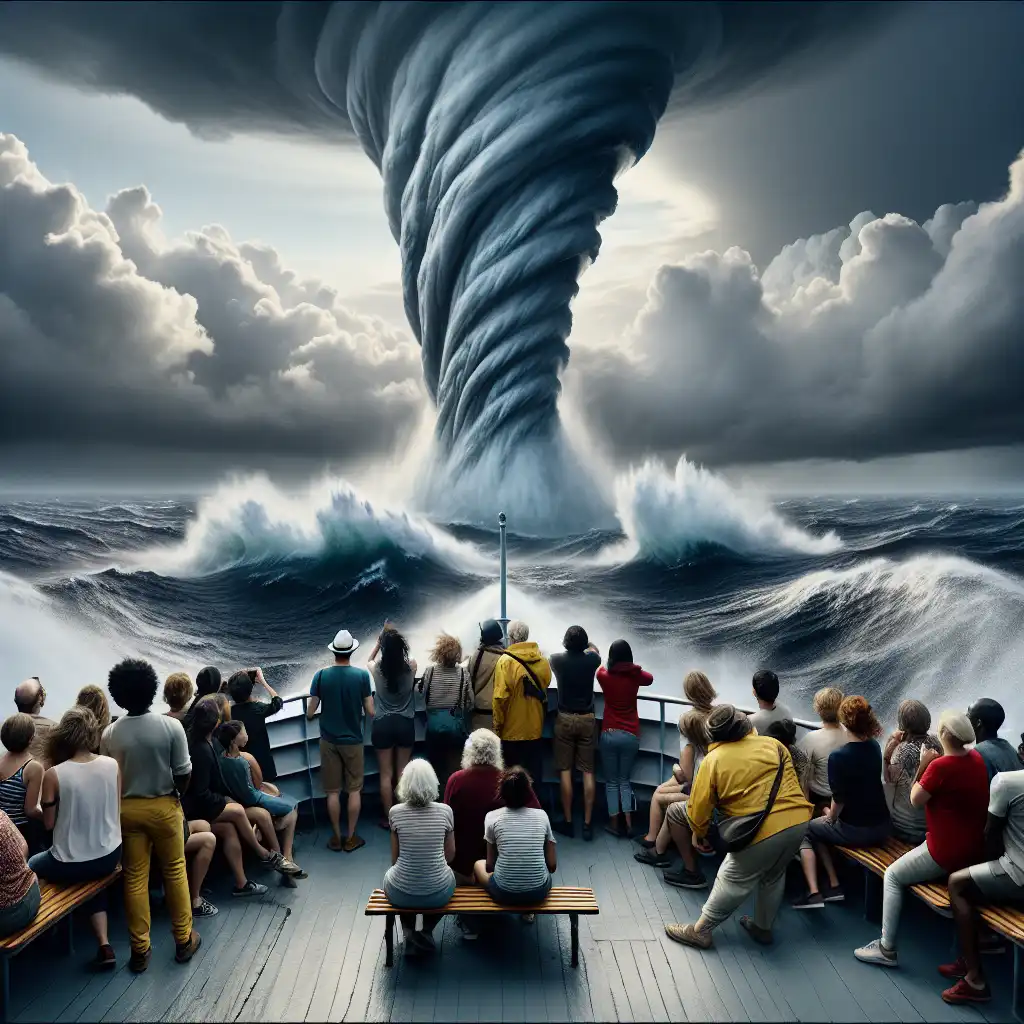
A tornado happening over the water of a lake, sea, or ocean.
The tourists were amazed at the sight of a waterspout rising from the ocean.
waterspout
ˈwɔːtərspaʊt
Chargement…
ˈwɔːtərspaʊt
A tornado happening over the water of a lake, sea, or ocean.
The tourists were amazed at the sight of a waterspout rising from the ocean.
ˈwɔːtərspaʊt
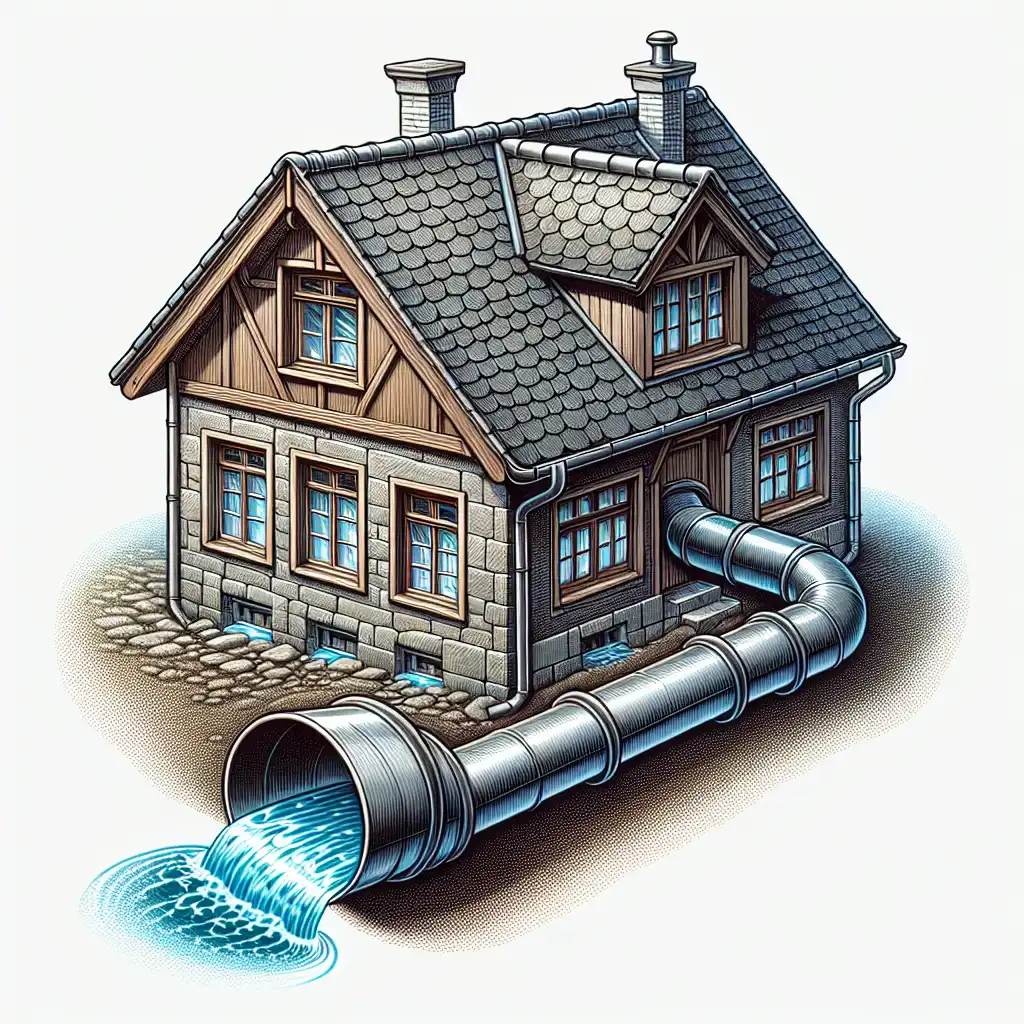
A pipe or tube in a building, used for draining water downward from a roof.
The rain water was rapidly descending from the waterspout.
Impossible de charger l’audio. Réessayez plus tard.
A waterspout is a type of weather phenomenon that occurs over water. It looks like a tornado, but it forms over the water instead of on land. It is usually seen in tropical or subtropical areas during thunderstorms. It can be dangerous for boats and swimmers since it can create strong winds and large waves. If you hear the word 'waterspout', it usually refers to this kind of weather event.
A cyclone is a large system of winds that spiral around a low-pressure center. It usually occurs over land and can cause heavy rains, strong winds, and severe storms.
Although both are types of rotating winds, a cyclone occurs over land, while a waterspout occurs over water.
Cyclones can cause damage to homes and buildings, while waterspouts can be hazardous to boats and ships at sea.
Ouvrir le mot: Cyclone →Squall refers to a sudden and strong wind that lasts for a short period of time, often accompanied by rain or snow.
Squall pertains to strong winds, while waterspout pertains to a specific type of tornado that forms over water.
Ouvrir le mot: Squall →A tempest is a violent storm with strong winds and heavy rain that can cause damage on land or at sea. It usually refers to a larger-scale storm system that covers a wide area and can last for hours or even days.
Tempests can be caused by a variety of factors, including the collision of warm and cold air masses, tropical weather systems, or strong ocean currents.
A waterspout is a type of tornado that forms over water, usually in connection with a severe thunderstorm. Unlike tempests, waterspouts are relatively small-scale phenomena that occur in specific locations and last for only a few minutes.
In summary, while both tempests and waterspouts involve strong winds and weather disturbances, tempests are larger-scale storms that can occur on land or at sea, while waterspouts are smaller-scale tornados that form specifically over water.
Ouvrir le mot: Tempest →A tornado is a violent rotating column of air that extends from a thunderstorm and touches the ground. Tornados form over land and can cause significant damage to buildings, trees, and other structures.
A waterspout is a rotating column of air that forms over water, typically near the base of a cloud. They are typically smaller and less destructive than tornados, but can still be dangerous for boats and beachgoers.
In short, tornados happen over land and are more powerful, while waterspouts occur over water and are typically smaller.
Ouvrir le mot: Tornado →A twister is a swirling column of air that typically forms on land and is generally associated with thunderstorms. A waterspout is a swirling column of air that typically forms over bodies of water, such as oceans, lakes, or rivers.
The primary difference between the two is their location and association with water. Twisters are more commonly associated with land, while waterspouts are more commonly associated with water.
Ouvrir le mot: Twister →A vortex is a term used to describe the swirling motion of gases or liquids around a central point.
It can be created by wind, water, or other forces. A tornado or a whirlpool is an example of a vortex.
A waterspout is a type of vortex that occurs over the water. It is a rotating column of water that rises from the surface of a body of water and is usually associated with thunderstorms or a strong weather system.
A vortex can occur in air or water and is a general term for swirling motion, while a waterspout is a specific type of vortex that occurs over the water and is typically associated with thunderstorms or strong weather systems.
Ouvrir le mot: Vortex →Whirlwind is a generalized term that can refer to any rotating column of air.
A whirlwind can be a harmless dust devil, which is a small rotating wind column over land that usually only reaches up to a few hundred feet in height.
It can also be more severe, like a tornado or hurricane. The term whirlwind is more general and can refer to both water and land phenomena.
Ouvrir le mot: Whirlwind →Tornadoes 101 %\PIPE% National...
Voir sur YouTube ↗Poems - crystallizations of the universal play of analogy, transparent objects which, as they reproduce the mechanism and the rotary motion of analogy, are waterspouts of new analogies.