lactic
adjective lactic
ˈlæktɪk
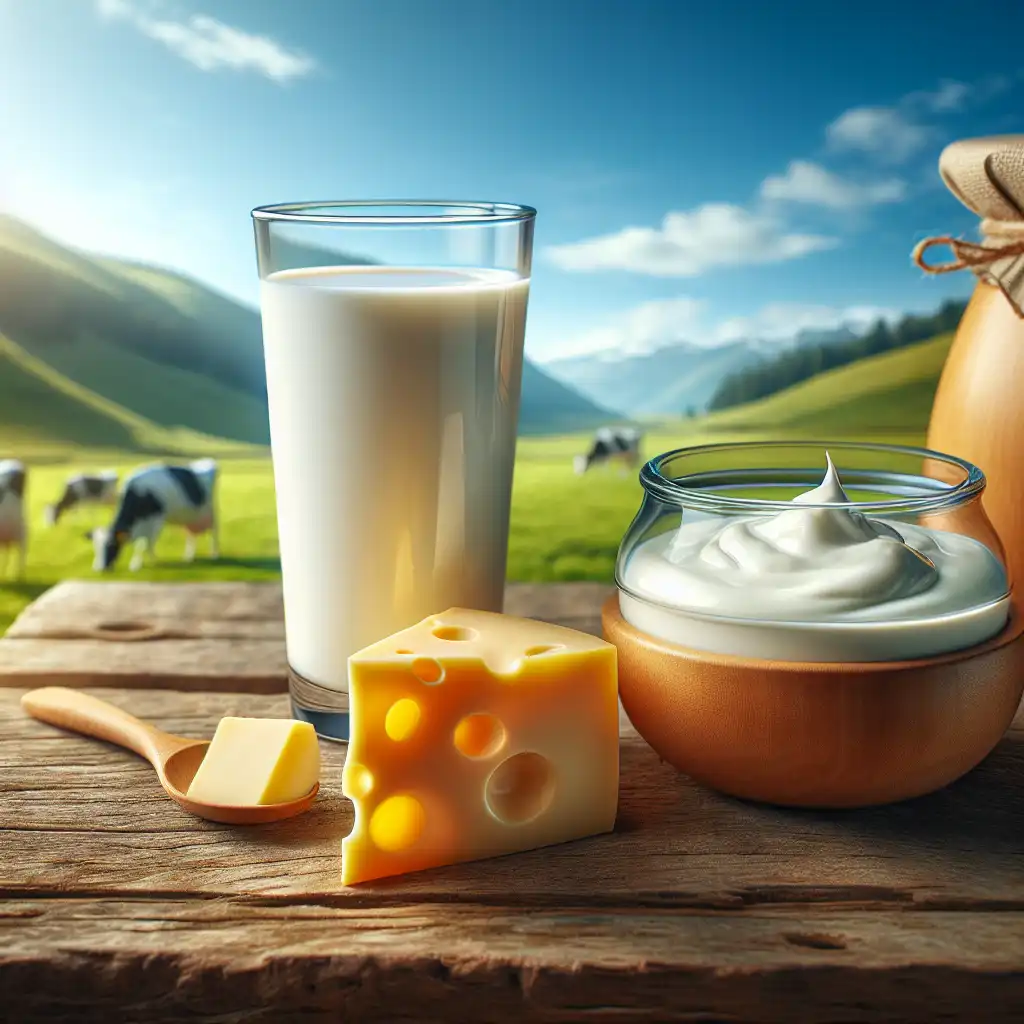
Related to milk
Lactic acid is an ingredient in some dairy products.
lactic
ˈlæktɪk
Cargando…
ˈlæktɪk
Related to milk
Lactic acid is an ingredient in some dairy products.

ˈlæktɪk
Related to or caused by the build-up of lactic acid, especially in the muscles after rigorous exercise
I was feeling lactic burn after running the marathon.

ˈlæktɪk
Related to a type of chemical reaction involving the formation of lactic acid
The lactic fermentation process is used in the production of some foods.
No se pudo cargar el audio. Inténtalo de nuevo más tarde.
The word 'lactic' refers to something that is related to or produced by lactic acid. Lactic acid is a substance that is created in the muscles when they are worked hard during exercise. A common phrase that includes the word lactic is 'lactic acid build-up', which is a feeling of soreness or fatigue in the muscles that can be experienced after strenuous exercise. In addition to exercise, lactic acid is also produced in certain bacteria and is used in various food and cosmetic products.
Acidic and lactic are both words that describe the properties of substances. Acidic refers to a substance that has a low pH level and is therefore sour or sharp-tasting, like vinegar or lemon juice.
Lactic acid can have a tangy taste, but it's not typically as sour as an acid like vinegar. Each word is applicable in different contexts; for example, you might describe a lemon as acidic, while you might describe yogurt as having a lactic flavor.
Abrir palabra: Acidic →Creamy typically refers to something with a smooth and rich texture, like butter or cream.
Creamy is applicable when describing texture, while lactic is applicable when describing the production process or taste of certain foods.
Abrir palabra: Creamy →Ferment refers to a chemical process where sugar is broken down into other compounds such as alcohol or acid by microorganisms like yeast or bacteria.
Lactic refers to a specific type of fermentation where microorganisms like bacteria break down sugar into lactic acid. This process is commonly used for producing foods like yogurt, cheese, sauerkraut, and pickles.
Ferment is a general term referring to the process where microorganisms break down sugar into other compounds, while lactic is a specific type of fermentation that produces lactic acid and is commonly used in food production.
Abrir palabra: Ferment →Sour can refer to any taste that is acidic or tangy. This can include the taste of lactic acid, but can also refer to the taste of other acids like citric acid or acetic acid.
Foods that are commonly described as sour include lemons, vinegar, and sour candies.
Lactic refers specifically to the taste of a certain acid, while sour is a more general term that can apply to any acidic or tangy taste.
Abrir palabra: Sour →What causes cavities? -...
Ver en YouTube ↗When you ride fast and then rest for a bit, it causes a spike in your heart rate and helps your body deal with lactic acid. But you don't need to make it too complicated. Yorkshire is perfect because the hills work as intervals - you ride up them hard and then recover before the next one. Or you can just sprint to the next tree or lamppost.
Safari Live - Day 42 %\PIPE%...
Ver en YouTube ↗Yoga stretches out your body and releases lactic acid. I do it four times a week, and my skin feels fantastic afterwards. When I'm doing a film, I do it every day - I keep a yoga mat in my trailer. Sometimes I do it in front of the TV. The stretching makes me feel so good. It gets my heart going and helps me breathe deeply.
You can't really sit around when you're sore. You've got to get up and work all that lactic acid out.
As is known, the sugar molecule as it passes through lactic acid can easily be split by purely chemical means.
You're pulling 4-5G for a lot of the corners around the lap. We build up lactic acid because there are a lot of vibrations in the car, and you have to have strong legs to hit the brake pedal. We need to be fit to do every lap at 100%.
In the course of the 1920s and 1930s, great progress was made in the study of the intermediary reactions by which sugar is anaerobically fermented to lactic acid or to ethanol and carbon dioxide.