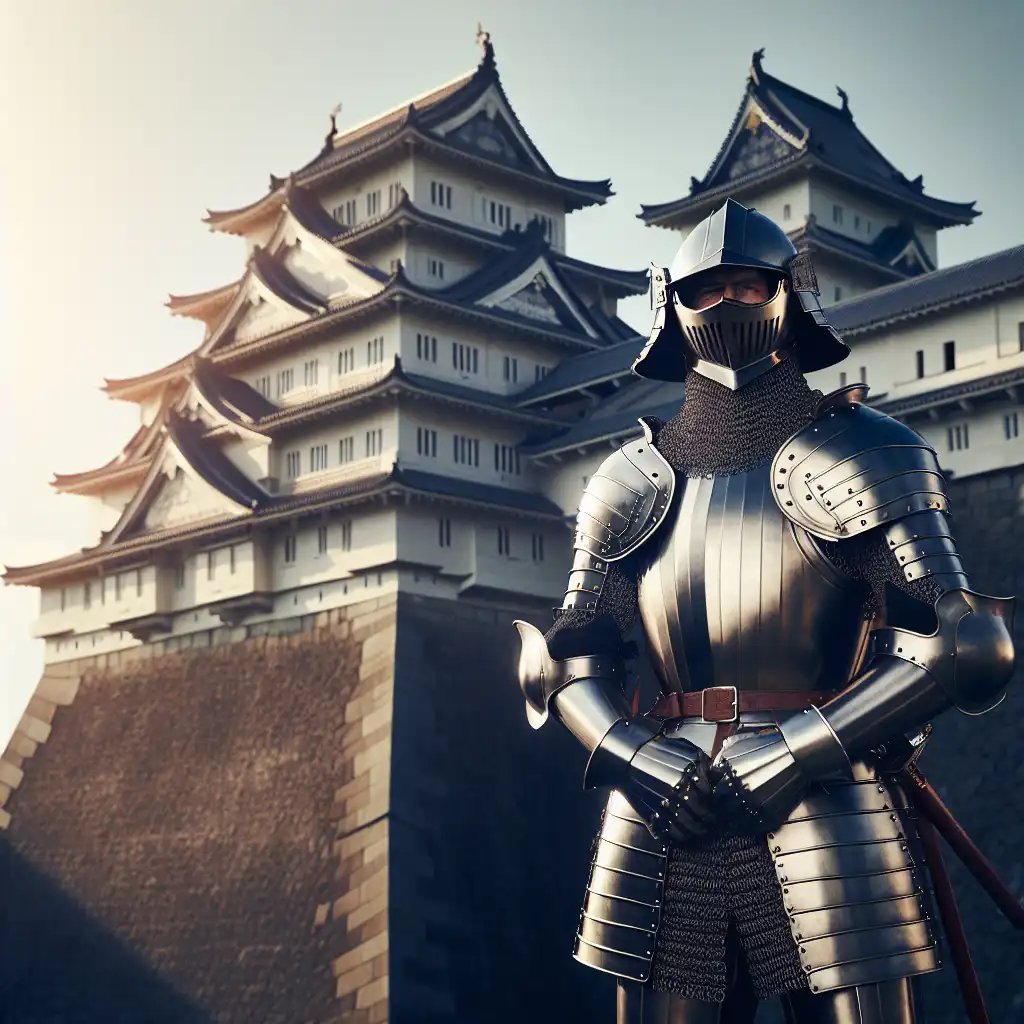
shogun
noun shogun
ˈʃəʊɡən
A military leader in Japan from 1192 to 1867. The shogun was the most powerful person in the country.
The shogun Tokugawa Ieyasu established a long period of peace in Japan.
shogun
ˈʃəʊɡən
読み込み中…
ˈʃəʊɡən
A military leader in Japan from 1192 to 1867. The shogun was the most powerful person in the country.
The shogun Tokugawa Ieyasu established a long period of peace in Japan.

ˈʃəʊɡən
A visibly powerful figure who has not officially been given power, but behaves as if they have it.
The CEO delegated most of his authority to his assistant. She's become the shogun of the company.
音声を読み込めませんでした。しばらくしてからもう一度お試しください。
The word "shogun" is a historical and cultural term from Japan. It refers to a military leader who was in charge of the government between the years 1185 and 1868. The shogun was the highest-ranking military officer and had control over the army and the people. In modern times, the word "shogun" can also be used metaphorically to describe someone who has great power or authority. However, it is mostly used in reference to the historical figure in Japan.
Generalissimo and shogun are both terms used to describe military leaders, but with different origins and contexts.
A generalissimo (or generalissimus) is a Latin term that means "supreme commander" and is used typically to refer to a military officer who holds supreme command over all armed forces or armies.
In summary, while both generalissimo and shogun refer to military leaders, generalissimo is a term used more widely in Western countries to describe supreme military commanders, while shogun is a specific title used in Japan's feudal era to describe the military ruler of the country.
単語を開く: Generalissimo →A day in the life of a...
YouTube で見る ↗Shogun is the most talented guy I've ever seen.