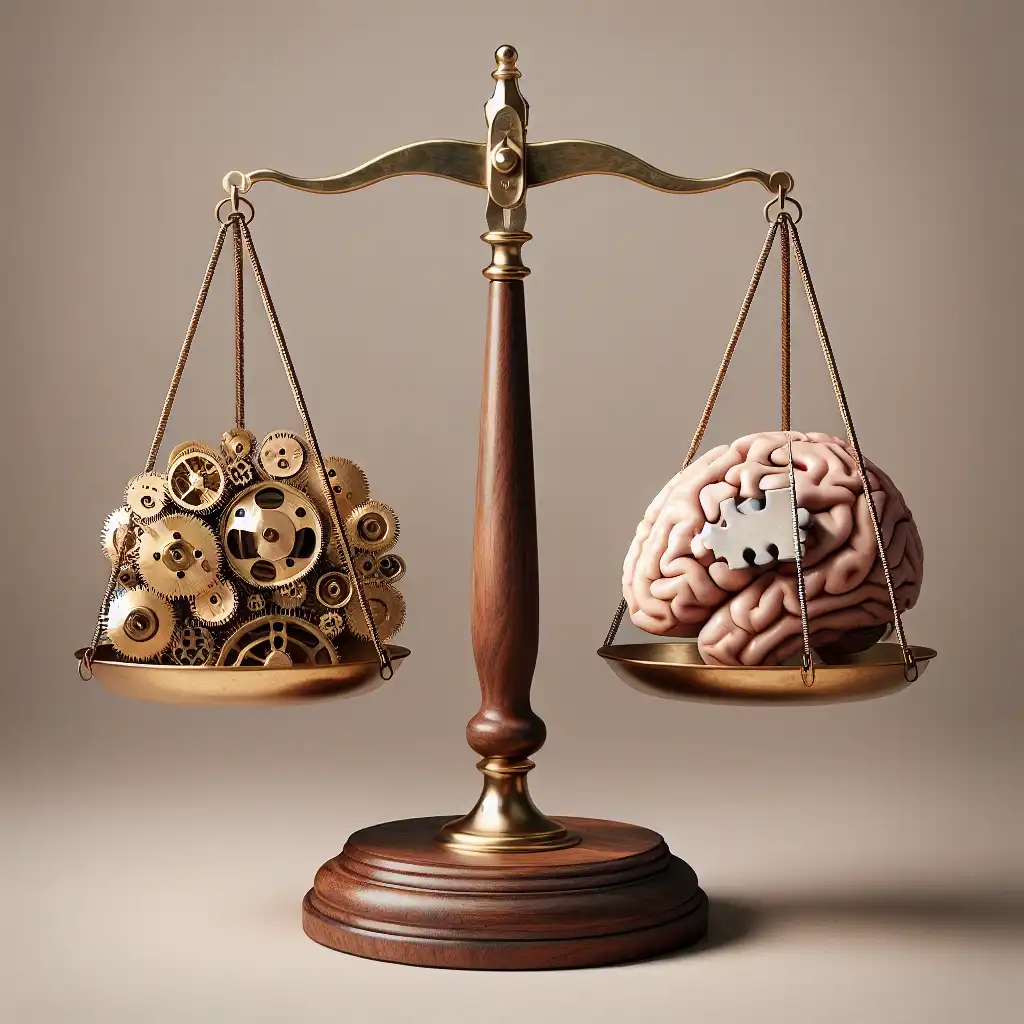
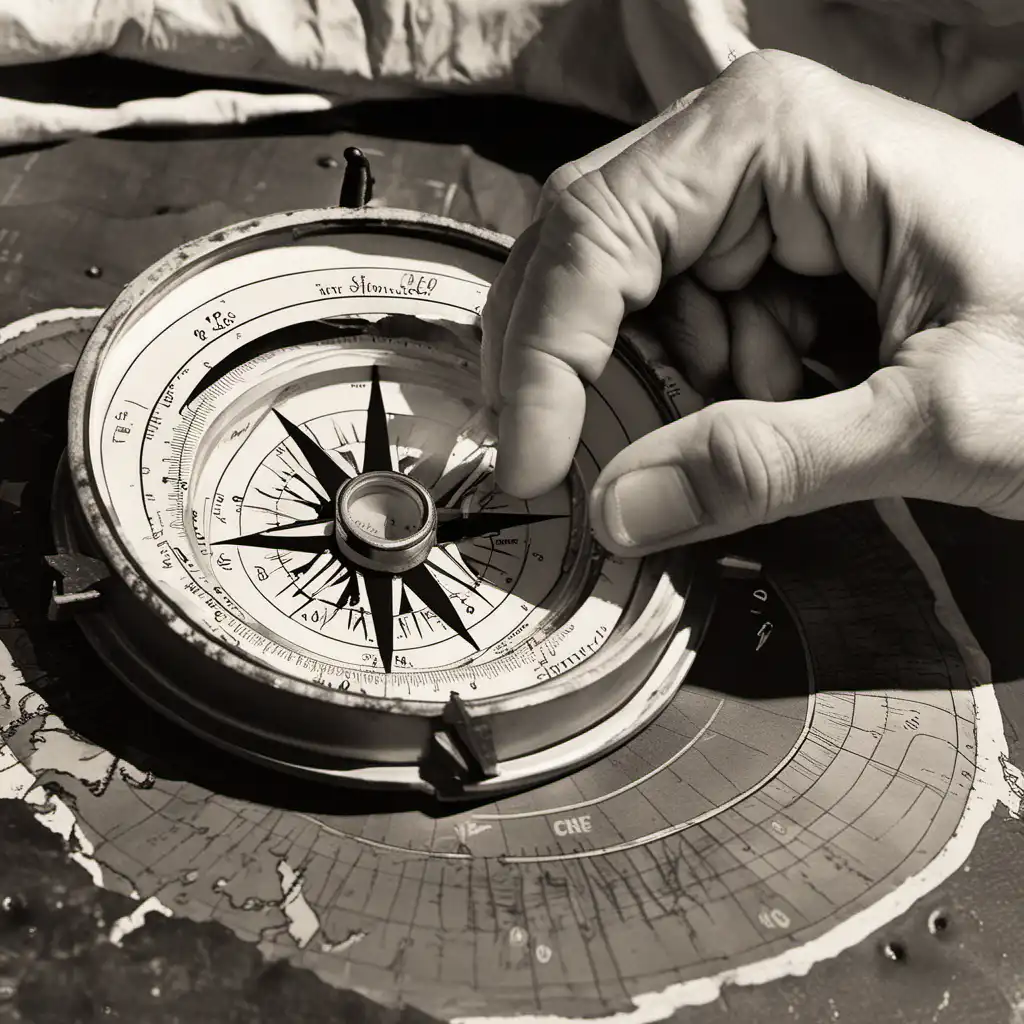
Calibration is the process of making sure that a measuring device, like a scale or a thermometer, is accurate and gives the right readings. You might calibrate a scale in a kitchen to measure ingredients or a thermometer in a medical office to measure a person's temperature. Calibration ensures that measurements are reliable and can be trusted.
Adjustment and calibration are both terms used to modify an instrument or tool to achieve accuracy.
Adjustment refers to changing or modifying the settings of an instrument to make it perform better or function properly.
Adjustment is applicable when an instrument needs to be modified to perform better or function properly, while calibration is applicable when an instrument needs to be standardized against a reference value to ensure accurate measurement.
Correlate refers to the relationship between two things or variables that are connected in some way. For example, if you study hard for a test, you may correlate that with getting a good grade.
Correlation is often used in statistical analysis and research to determine if there is a relationship between two or more variables.
Calibration is used to make sure equipment is accurate, while correlation is used to analyze the relationship between different things.
Gradation refers to a gradual change or progression from one level to another. It's like the different shades of paint on a color palette that slowly blend into one another.
Gradation can be used in art to create depth and dimension, and in education to show the progression of learning from simple to complex.
Calibration is about accuracy and precision, while gradation is about gradual change and progression.
Regulation is the process of controlling or managing something to ensure that it meets certain standards or requirements.
Regulation is usually applied to systems or processes, such as industrial processes or public policies. It involves monitoring and enforcing rules and regulations to ensure that things are running smoothly and effectively.
Calibration is about getting accurate readings from a measuring instrument, while regulation is about implementing and enforcing standards and rules for something.
Standardization refers to the process of creating common standards or norms for a particular product, material or process.
This is done to ensure consistency and reliability, and to allow for easier comparison and communication. Standardization is important in areas such as manufacturing, international trade, and quality control.
Calibration is concerned with ensuring the accuracy of individual instruments, while standardization is concerned with ensuring consistency across different instruments or products.
Synchronization refers to the process of aligning two or more devices or systems so that they operate in coordination with each other.
Synchronization is often used in electronic or computing systems, such as synchronizing the clocks in a network of computers or synchronizing the audio and video tracks in a movie.
Calibration is about ensuring accuracy and reliability, while synchronization is about ensuring coordination and harmony.
Calibration refers to the process of adjusting or setting a device to ensure it is working properly and accurately. Meanwhile, tune refers to the process of adjusting or fine-tuning a device for optimal performance or to match a desired specification.
Calibration is more commonly used in scientific or technical contexts, such as calibrating a scale or a temperature gauge, while tune is more commonly used in automotive or musical contexts, such as tuning a guitar or tuning a car engine for better performance.
Clearly, many branches of science need an exquisite precision of timekeeping and the infinitesimal decimals of calibration, so space launches, for example, are not scheduled for leap-second dates. But society as a whole neither needs that obsessive time measurement nor is well served by it.
Time is found in the calibration of the individual to the timing of a collective endeavour, the social grace that less clock-bound societies must practise.