dimple
noun dimple
ˈdɪmpl
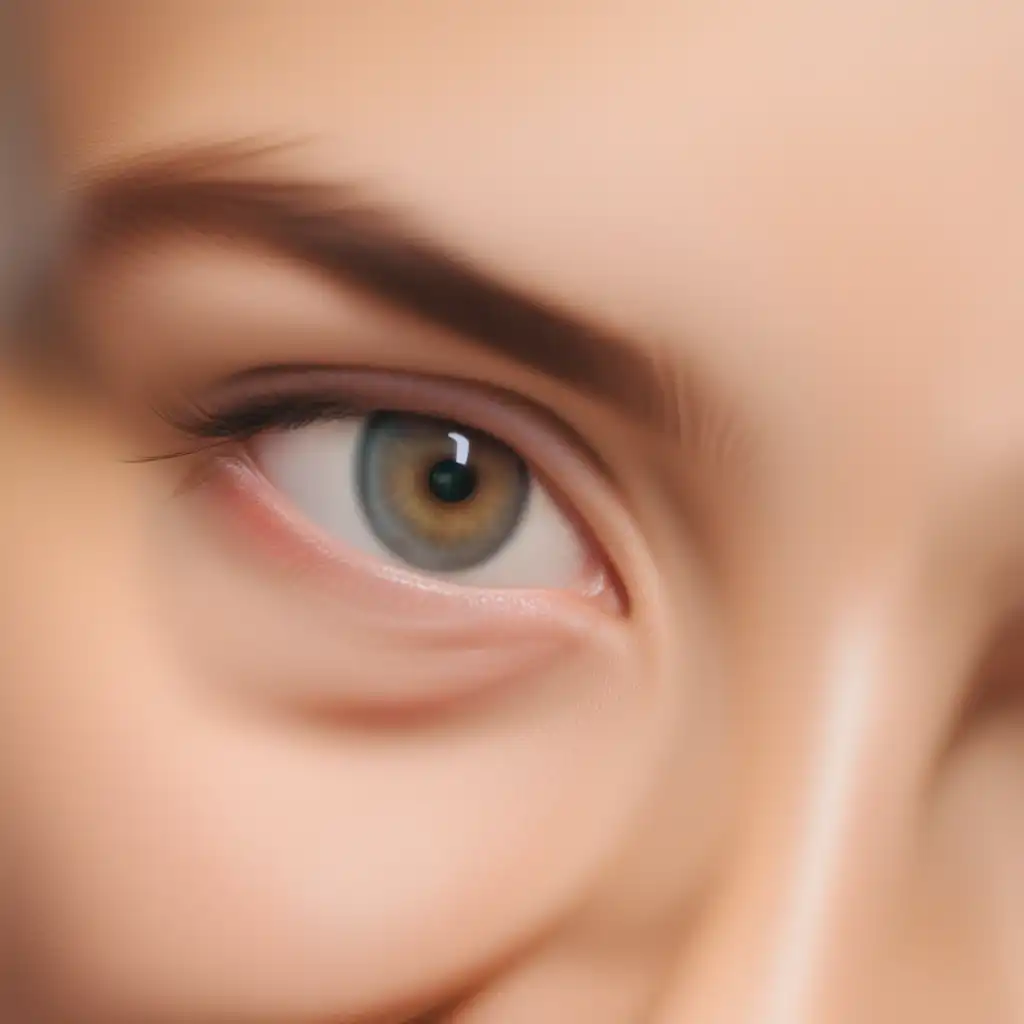
A small natural indentation in the flesh on a part of the human body, especially in the cheek or on the chin.
When she smiles, you can see the dimples on her cheeks.
dimple
ˈdɪmpl
読み込み中…
ˈdɪmpl
A small natural indentation in the flesh on a part of the human body, especially in the cheek or on the chin.
When she smiles, you can see the dimples on her cheeks.
ˈdɪmpl
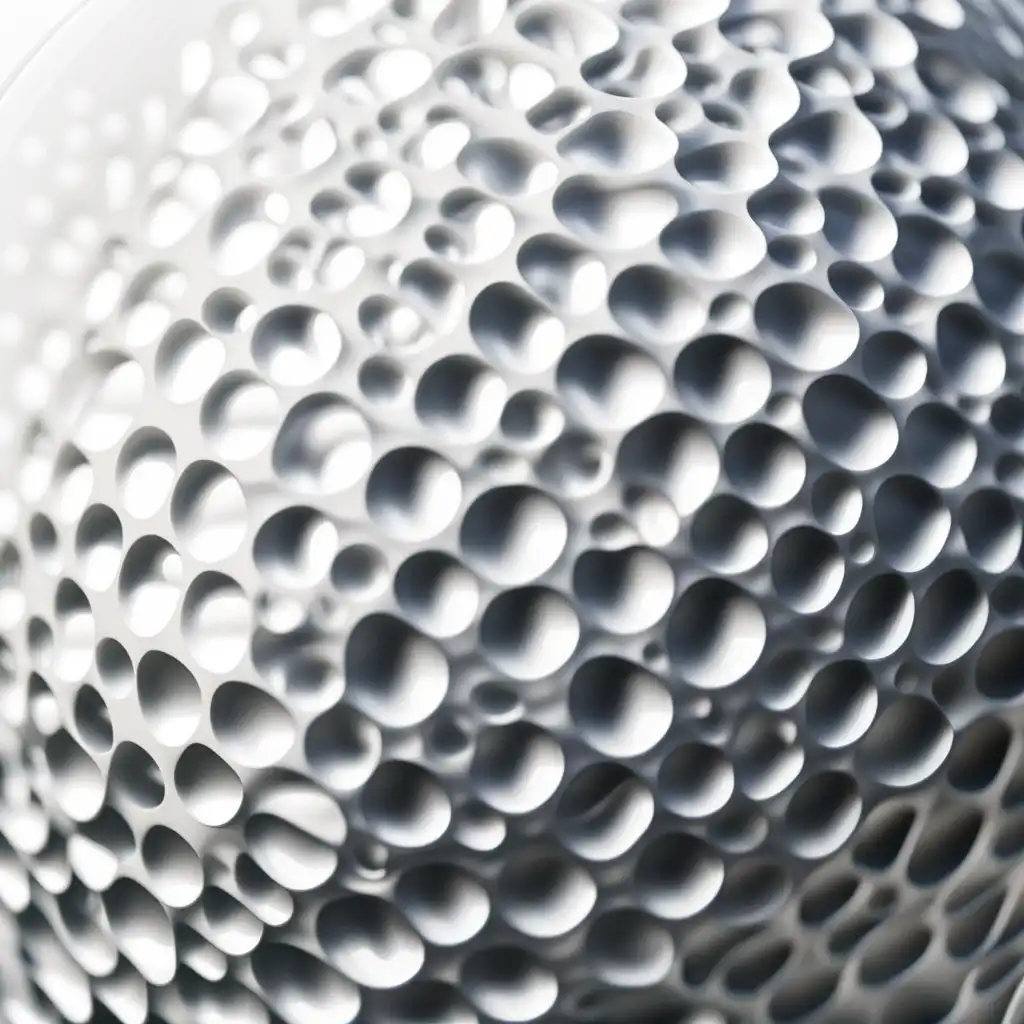
A slight indentation or depression on a surface, generally caused by a form of impact or pressure.
The golf ball has many dimples on it.
ˈdɪmpl
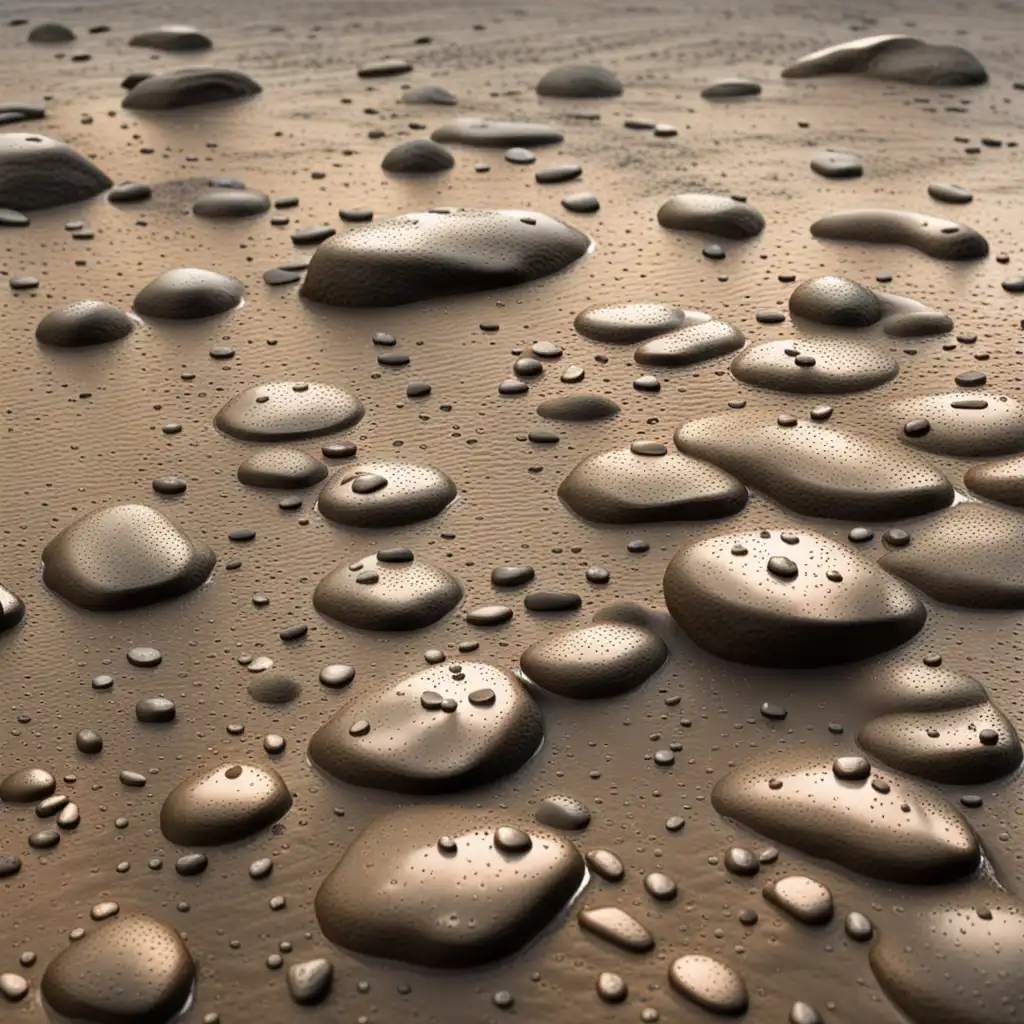
Produce a dimple or dimples in the surface of (something)
The rock was dimpled by the raindrops.
音声を読み込めませんでした。しばらくしてからもう一度お試しください。
A dimple is a small, visible dent or indentation on someone's skin, typically on their cheeks or chin when they smile. It is considered a cute or attractive feature on a person's face. You can use this word when you want to compliment someone on their appearance. For example, "You have such a lovely smile with beautiful dimples."
Concavity refers to a surface or shape that curves inward, like the inside of a bowl. Dimple refers to a small depression or indentation on a surface, usually caused by pressure.
Concavity is applicable when describing shapes or surfaces that curve inward or have a depression, such as the underside of a mushroom cap or the inside of a spoon.
単語を開く: Concavity →Crinkle means to make small, thin folds or wrinkles in something.
It usually describes the way paper, fabric, or leaves look when they are bent or compressed. For example, you might crinkle a piece of paper to make it sound like a fire burning.
Crinkle refers to small wrinkles or folds, while dimple refers to small depressions or indentations in a surface.
単語を開く: Crinkle →Depression refers to a state of feeling sad, hopeless and helpless.
単語を開く: Depression →Dip refers to lowering something into or below the surface of a fluid or substance, making it partially or fully submerged.
For example, people dip crackers into a cheese dip.
Dimple describes a small indentation on a surface, whereas dip describes the act of lowering something into a substance.
単語を開く: Dip →Hollow is a space or cavity inside an object, which is typically empty. For example, a balloon is hollow, as is a vase with no flowers in it.
A hollow object may not necessarily have an opening, but it creates a space inside the object.
A dimple is a small depression on the surface of an object or material, while a hollow is a space or cavity inside an object.
単語を開く: Hollow →A dimple is a small, shallow depression or indentation on a surface, usually on a person's skin when they smile. An indentation is a deeper or more noticeable depression or notch in a surface, typically caused by pressure or a sharp object.
Dimples are usually associated with a pleasant, cute or charming appearance, while indentations can be either desirable (such as decorative carvings in wood) or undesirable (such as dents in a car).
In short, dimples are small, shallow depressions, while indentations can be deeper or more noticeable depressions. Dimples are often seen as attractive or charming, while indentations can be desirable or undesirable depending on the context.
単語を開く: Indentation →A dimple is a small indentation or depression on a surface while a notch is a V-shaped cut or groove on a surface. Dimples are applicable in places where the aim is to create a slight depression or dent, as for looks or a grip, while notches are useful in places where an object needs to fit into another one or for creating a handhold.
For instance, a golf ball has dimples for aerodynamics while a saw blade has notches for creating a sharp edge.
単語を開く: Notch →Pit refers to a hole or depression in a surface, usually deeper than a dimple.
Pits can be found on various surfaces such as the ground, walls, rocks, fruits, etc.
Pits have a negative connotation and are often associated with danger or a damaged surface.
単語を開く: Pit →that he uses to hunt for cold beer. And when he finds one he drains it, and sometimes throws the bottle into the outback. Now as it happens these bottles are dimpled glossy,
YouTube で見る ↗Since my dimples only appear whenever I smile, facing everything in life with that smile is a wonderful feeling. Eyes are also the window to one's self. Just a look can reflect your identity and experiences.
and it draws down the stale warm air from the colony above down long chimneys which go right round the edge of the cellar as it does so there's a seepage of gas through porous dimples and the walls
YouTube で見る ↗A dimple on the chin, the devil within.
not terribly compelling and what we realized was that what we needed was the information what was going on between the markers we needed the subtleties of the skin we needed to see skin moving over muscle over bone heat increases in dimples and wrinkles and all of those things so our first big revelation was
YouTube で見る ↗Golf balls are sweet: dimpled and sometimes even smiling.
pride who are a portion of them there are snoozing under a ton booty and under gray skies good afternoon my name is Brent jasmine I have my friend dimpled Dave the objectified dish on camera for
YouTube で見る ↗Many a man in love with a dimple makes the mistake of marrying the whole girl.
Overall, I'm a mix of a lot of different quirks, from my dimples to my eyebrows to my lips, which I've always felt were just one of my signature features.
I've got soft features, curly hair with blonde bits and dimples. People think of me as a singer, an entertainer, someone who's always there with a ready smile.
Showing young girls' realistically captured bodies in ads lets young girls realise that it's okay to have dimples, stretches, rolls, etc. since we're only human.
I inherited them, so I got it like that. But I hear you can actually get dimples for a certain price if you really want them. I was getting my nails done once, and this lady asked me, 'Are those real? In my country, they pay a lot of money for those.' And I was like, 'Really?' I think she was from Malaysia.
People probably think I'm cute because I have dimples and am friendly and always smiling. But beauty is different. In Chinese, people say I have chi ze, which means aura or a strong sense of presentation. It's not about my look.