homeland
noun homeland
ˈhəʊmlænd
The country or place where a person was born, grew up, or feels they belong most.
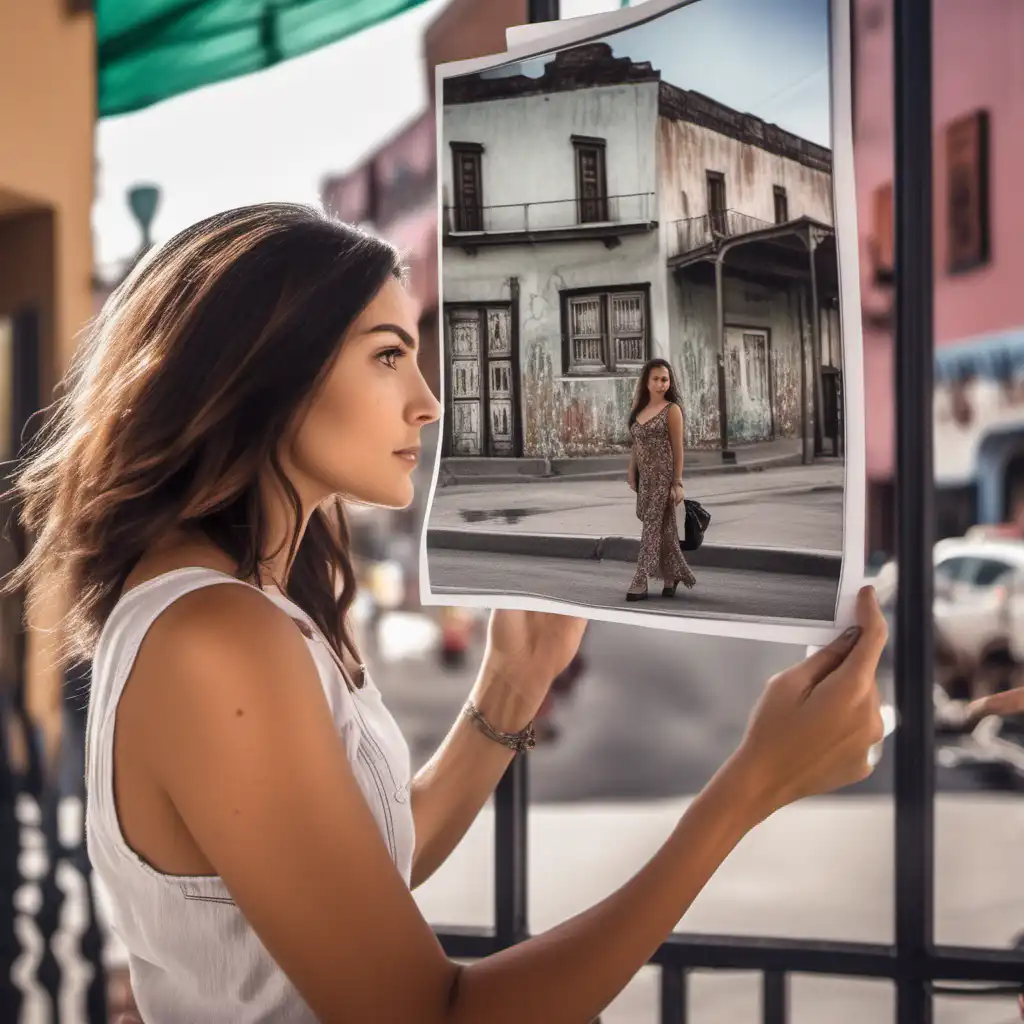
Even though she lived in the United States for many years, she always missed her homeland in Mexico.
homeland
ˈhəʊmlænd
लोड हो रहा है…
ˈhəʊmlænd
The country or place where a person was born, grew up, or feels they belong most.
Even though she lived in the United States for many years, she always missed her homeland in Mexico.
ˈhəʊmlænd
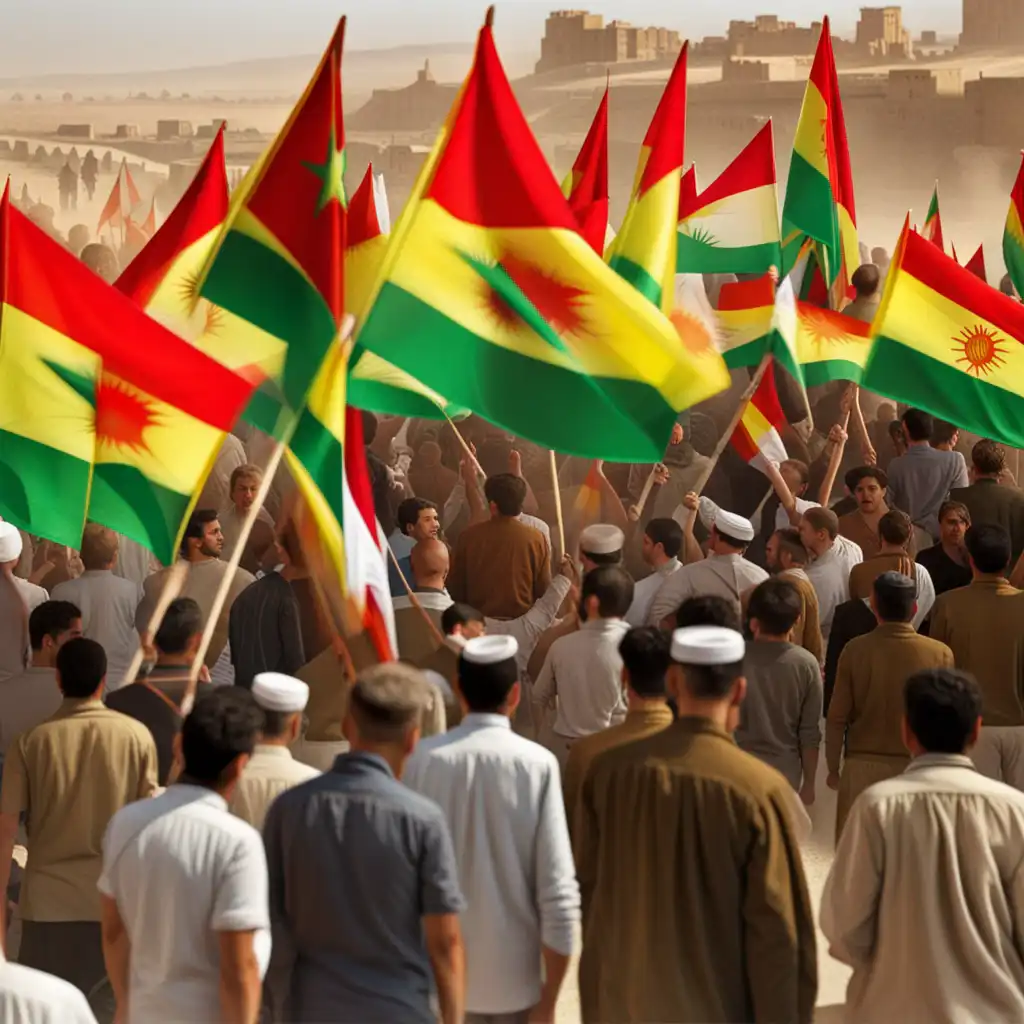
A region or territory governed by a particular group, especially in reference to states, provinces, or regions within a nation.
The Kurdish people have long sought an independent homeland in the Middle East.

ˈhəʊmlænd
In the US, the Department of Homeland Security, which is responsible for protecting the country against terrorism and ensuring national security.
The Homeland has issued a terror alert due to potential threats.
ऑडियो लोड नहीं हो सका। कृपया बाद में फिर कोशिश करें।
The word 'homeland' is used to talk about the place where a person or group of people come from. It is often used to talk about the country, region or city where they grew up or where their ancestors are from. For example, if someone is from China, their homeland is China. It can also be used to show a sense of loyalty and belonging to a particular place. So, someone may say that they are proud of their homeland or that they want to protect their homeland.
Birthplace refers to the physical location where a person was born. Homeland refers to the country or region where a person's ancestors originated and where they have a deep emotional connection.
For example, if someone was born in New York City but their parents are from Italy and they feel a strong connection to Italy and its culture, then Italy could be considered their homeland while New York is their birthplace.
Birthplace refers to where you were physically born, while homeland refers to the country or region that you identify with culturally and emotionally.
शब्द खोलें: Birthplace →Fatherland and homeland are both words that refer to a person's country or nation.
Fatherland is commonly used in German, and it refers to the land of one's ancestors or forefathers.
Fatherland is a more specific term that is associated with German culture and history, while homeland is a more general term that can be applied to any country or culture.
शब्द खोलें: Fatherland →The term habitat refers to the natural environment or surroundings in which a specific plant or animal lives. It refers to the physical area where a particular species is found.
For example, the habitat of a desert animal might include sandy terrain, cacti, and a lack of water.
It is more focused on the human population than on the natural habitat. For example, Ireland might be considered the homeland of the Irish people, due to their shared history, culture, and ancestry with that specific region.
In summary, while both terms refer to a specific location, habitat is generally used to describe the natural surroundings of a particular plant or animal, while homeland describes a geographical area that is deeply connected to human history, culture, and ancestry.
शब्द खोलें: Habitat →Motherland has a more emotional and nostalgic connotation. It refers to the country or land of one's ancestors, cultural roots, or belonging.
Homeland is often used in political and legal contexts, such as national security or immigration. Motherland is more commonly used in literature, poetry, or artistic expressions that evoke feelings of patriotism, identity, or nostalgia.
शब्द खोलें: Motherland →Soil refers to the earth, dirt, or land itself, and is not necessarily tied to a specific geographic or cultural identity.
For example, a farmer might say, "This soil is good for growing corn," without any particular emotional or cultural connotation.
Homeland conveys a sense of cultural, emotional, and patriotic affiliation, while soil is a more neutral term that simply refers to the physical earth or land.
शब्द खोलें: Soil →Ancient Maya 101 %\PIPE%...
YouTube पर देखें ↗We need to keep making our streets safer and our criminal justice system fairer - our homeland more secure, our world more peaceful and sustainable for the next generation.
How is power divided in...
YouTube पर देखें ↗There's no bigger task than protecting the homeland of our country.
Thomas Barnett:...
YouTube पर देखें ↗No one ever said that fighting the war against terrorism and defending our homeland would be easy. So let's support our troops, law enforcement workers, and our mission to keep our nation and our children safe in the days and years to come.
Fact-checking the Bible...
YouTube पर देखें ↗We need to fund our troops. We need to protect them. We need to increase homeland security. These are vital national security interest we need to fund.
Speared Crocodile Rescue...
YouTube पर देखें ↗How can we protect homeland security unless the government stops the invasion of illegal aliens?
Kelli Swazey: Life that...
YouTube पर देखें ↗Part of protecting our homeland means being less dependent on foreign countries for our energy.
Amy Toensing: The...
YouTube पर देखें ↗I believe in blood, soil, and honour; family, homeland, and hamingja; strength, traditions, and courage.
See the Sparks That Set...
YouTube पर देखें ↗In order every one in our homeland learns principles of democracy and the peaceful transition of power, and in order to stabilize and develop multiple choices in democratic practice.
Jewel of Namibia %\PIPE% Nat...
YouTube पर देखें ↗People are realizing if they jump across our border and they have a child with them they can raise their hand and claim asylum and they will be caught and released into the homeland.
Gabby Rivera: The story...
YouTube पर देखें ↗Going forward, as we work to strengthen our border in the interests of homeland security, we must also recognize the economic importance of immigration reform.