ejection
noun ejection
ɪˈdʒekʃn
The act of forcing or throwing out something or someone
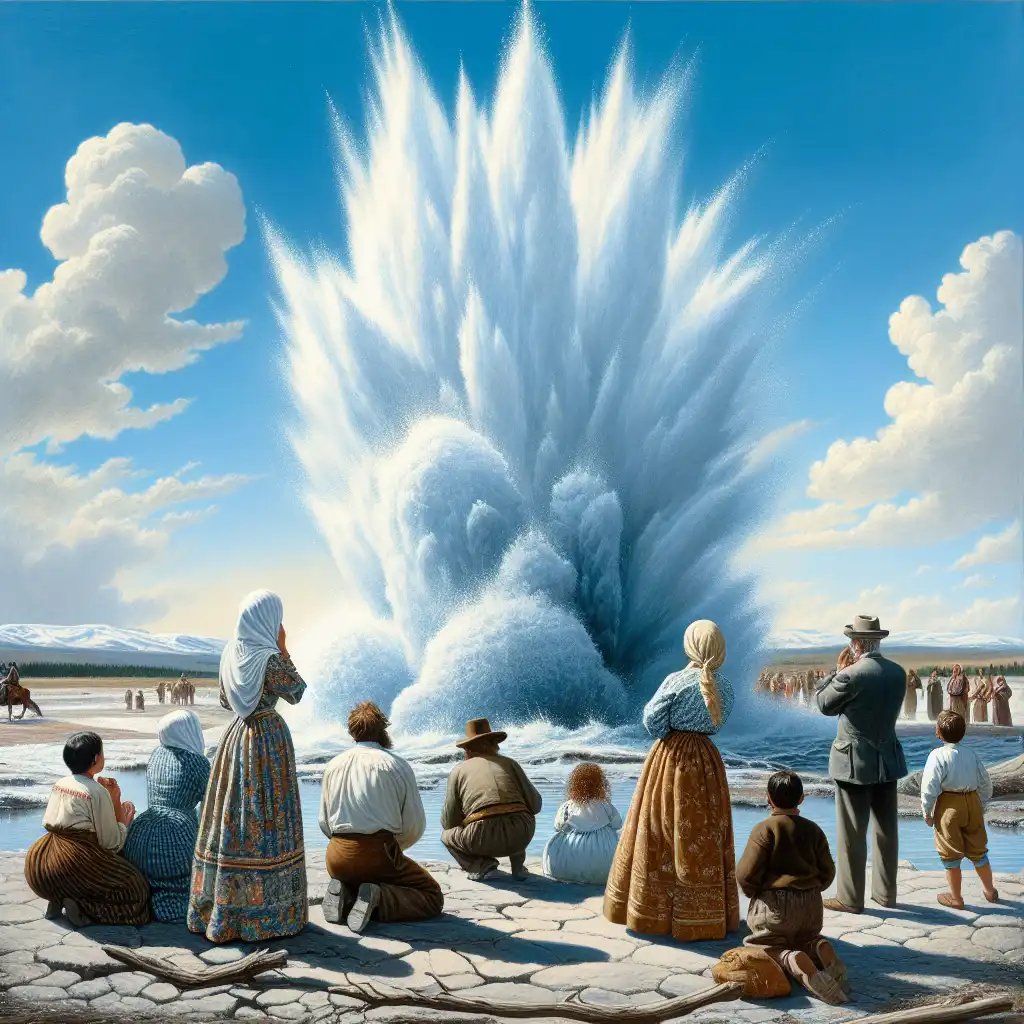
There was a sudden ejection of hot water from the geyser
ejection
ɪˈdʒekʃn
Cargando…
ɪˈdʒekʃn
The act of forcing or throwing out something or someone
There was a sudden ejection of hot water from the geyser

ɪˈdʒekʃn
A part that is designed to be ejected from a system
The ejection seat of an aircraft is a life-saving device for pilots

ɪˈdʒekʃn
The act of a player or coach being ordered to leave a game due to a violation
The umpire called for the ejection of the player after the fight
ɪˈdʒekʃn
The process of an organism eliminating waste
Ejection is a part of the body's natural processes to maintain balance
No se pudo cargar el audio. Inténtalo de nuevo más tarde.
The word 'ejection' means to forcefully remove or expel something or someone from a particular place or thing. It can be used in various contexts, such as the ejection of a pilot from an airplane or the ejection of a CD from a computer. It is also used in sports, such as when a player is ejected from a game for breaking the rules. In simple terms, ejection means to be thrown out or removed from something.
Discharge, on the other hand, refers to the act of releasing or letting go of something.
It is often used in medical contexts where a patient is discharged from a hospital or released from care. For example, a patient who has been treated for a broken leg might be discharged from the hospital once they are fully healed and no longer require medical care.
Ejection is associated with a forceful or abrupt removal, while discharge refers to a more general release or letting go.
Abrir palabra: Discharge →Eruption refers to a sudden and violent outburst of something, usually in the form of a natural occurrence. For example, a volcano can have an eruption, where lava, ash, and gases are released dramatically.
It can also apply to emotional outbursts or sudden appearances, like an eruption of applause when the star of a play takes their final bow.
Ejection refers to forcefully removing something, while eruption refers to a sudden and violent release of something.
Abrir palabra: Eruption →Evacuate is used more broadly to describe the process of leaving a place in an orderly and organized manner.
This could be due to an emergency situation like a natural disaster, or for routine reasons such as a building evacuation drill.
To sum up, ejection refers specifically to forcefully removing someone from a confined space like a plane, while evacuate refers to leaving a potentially dangerous place in a controlled and orderly way.
Abrir palabra: Evacuate →Exclusion refers to the act of keeping someone or something out of a place or situation.
Ejection involves forcibly removing someone or something, while exclusion is about keeping someone or something out.
Abrir palabra: Exclusion →Both ejection and expulsion refer to the act of forcing someone or something out. The main difference is in the context in which they are used:.
Expulsion is usually used in reference to an individual being forced to leave a place or organization, often as a punishment.
Ejection is used when referring to something or someone being physically removed from a location, while expulsion is used when someone is being removed from a group, organization or institution.
Abrir palabra: Expulsion →Extraction refers to the act of removing or retrieving a substance or object from a larger mass, such as the extraction of juice from a fruit.
Abrir palabra: Extraction →Oust is used when someone is removed or forced out by another person or group. For example, a group of shareholders may oust a CEO if they are unhappy with their performance.
Ejection is a passive removal while ousting is an active forceful removal.
Abrir palabra: Oust →Removal refers to taking something or someone away from a place or situation, and it could be done in a more gradual or deliberate manner.
For instance, removing a stain from a shirt involves gradually getting rid of it by washing or using a solvent. Removal also implies that the thing or person being removed was not necessarily supposed to be there.
Ejection involves a more forceful and sudden expulsion while removal involves a more gradual or deliberate separation.
Abrir palabra: Removal →colossal burst of energy a coronal mass ejection spewing up billions of tons of blistering plasma from its surface a fiery expulsion that whips the solar wind into a hurricane like frenzy creating danger to life on earth
Ver en YouTube ↗The purpose of art is not the release of a momentary ejection of adrenaline but is, rather, the gradual, lifelong construction of a state of wonder and serenity.
That means improvise. So it's really a play between these two approaches. Something that I know very well these principles. For example we have two engines on an Airbus; with only one engine you can fly it. So plan B always a plan B. In a fighter you have an ejection seat.
Ver en YouTube ↗by setting up a detour the magnetosphere. The magnetosphere is formed by the Earth's magnetic currents and shields our planet from the solar winds by sending out the particles around the Earth. Their opportunity to continue the journey down to the atmosphere comes when the magnetosphere is overwhelmed by a new wave of travelers. This event is coronal mass ejection,
Ver en YouTube ↗