
superposition
noun superposition
ˌsuːpərpəˈzɪʃn
The act or process of putting one thing on top of another
The painter used a superposition of colors to create depth in the artwork.
superposition
ˌsuːpərpəˈzɪʃn
불러오는 중…
ˌsuːpərpəˈzɪʃn
The act or process of putting one thing on top of another
The painter used a superposition of colors to create depth in the artwork.

ˌsuːpərpəˈzɪʃn
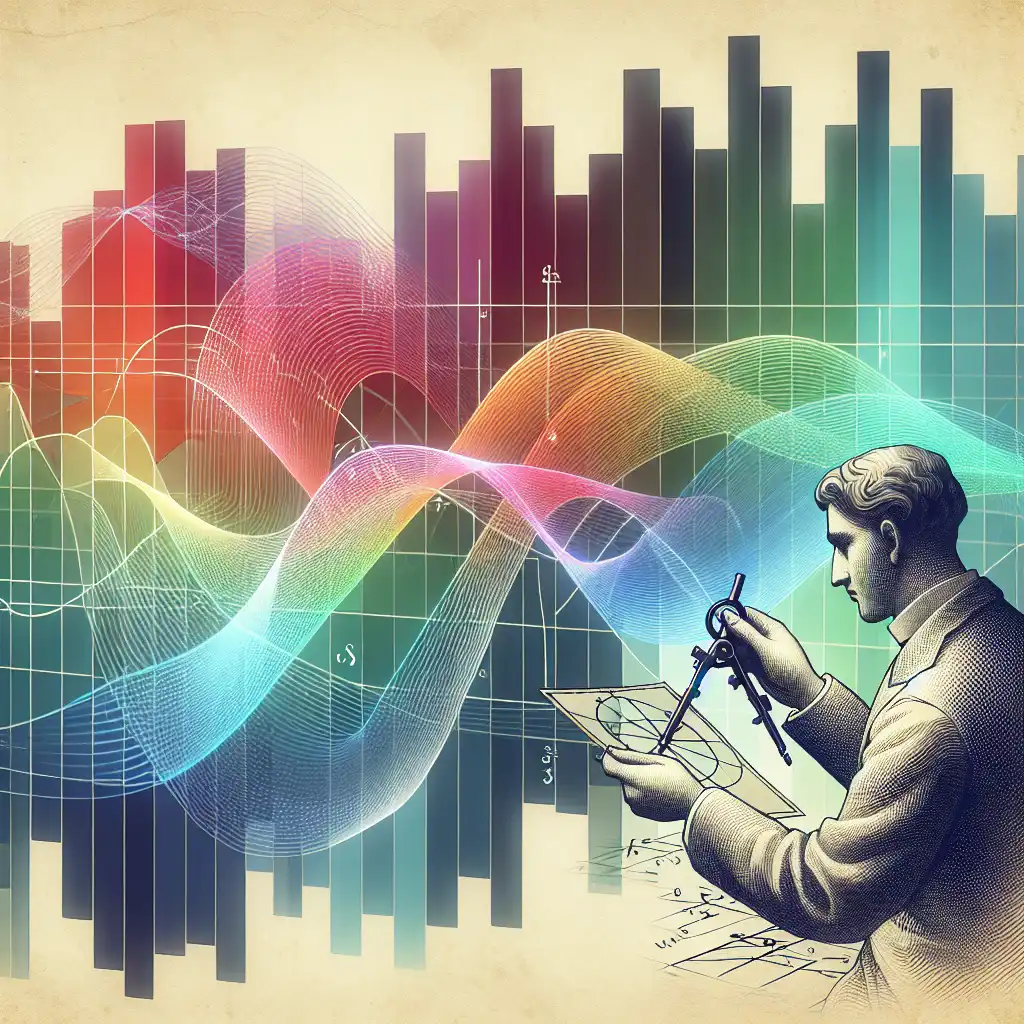
In physics, the concept that when two or more waves meet, the resultant wave is the sum of the separate waves
The superposition principle helps to understand the behavior of waves in different mediums.
ˌsuːpərpəˈzɪʃn
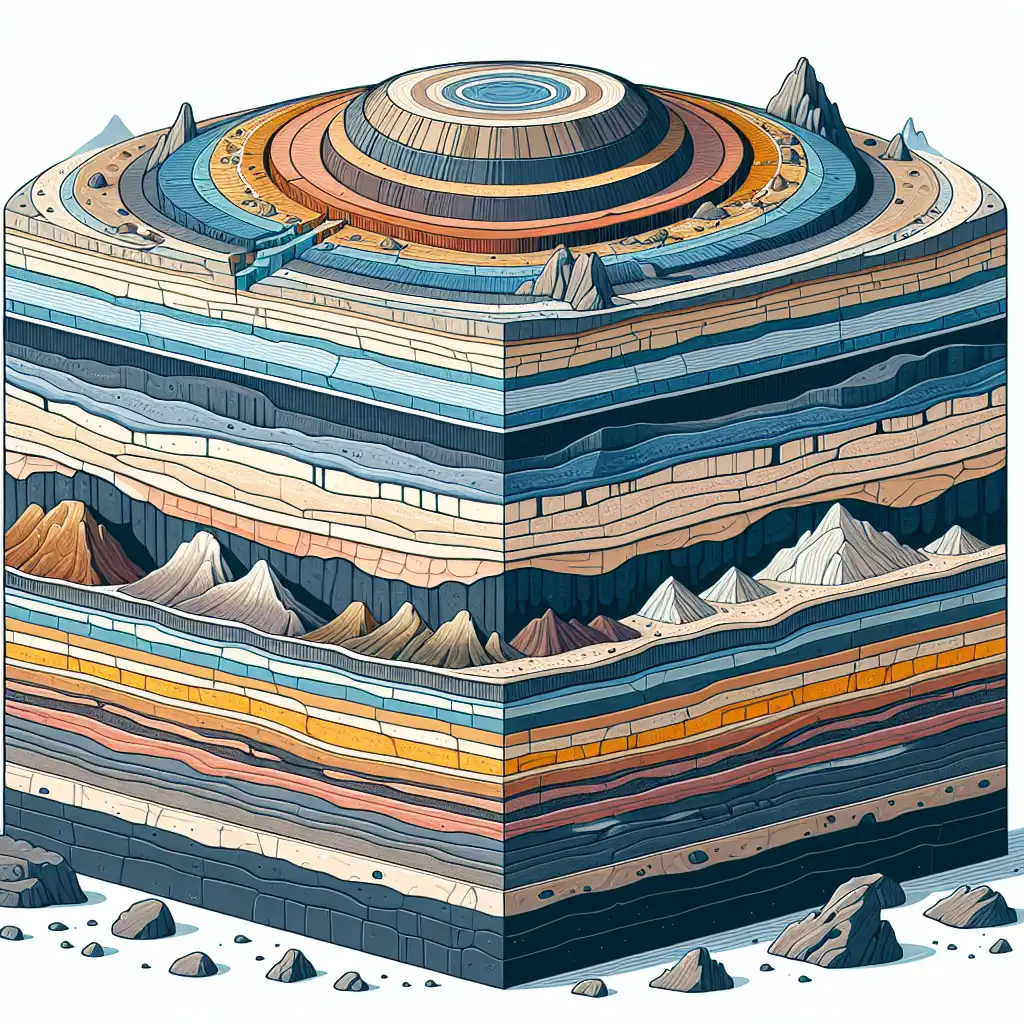
In geology, rule that older sediments or rocks are located below younger ones
The superposition of layers contributes to the geological timeline of Earth's history.
ˌsuːpərpəˈzɪʃn
In mathematics, a property of certain operations that combine solutions to homogeneous equations
We use the superposition method to solve certain linear differential equations.
오디오를 불러오지 못했어요. 잠시 후 다시 시도해 주세요.
Superposition refers to a phenomenon where two or more objects or forces combine to produce a new result. It can be used in physics when waves combine and create a new wave, or in electronics when two signals come together and produce a new signal. In general, superposition describes when multiple things come together to make something new.
Amalgamate refers to the process of combining two or more things to form a single entity. This is applicable when two or more different entities or ideas are merged together to form a new, unified whole.
For example, two companies may amalgamate to form a larger, more efficient one.
단어 열기: Amalgamate →Coalescence means the merging or blending of two or more things into one. It is applicable in various fields like science, technology, and physics.
For example, when two droplets of water merge into one, it is called coalescence.
단어 열기: Coalescence →The words combination and superposition have different meanings in physics.
Combination refers to when two or more things come together to create something new. For example, mixing two colors to create a new color is a combination.
In physics, combination can refer to the combining of two waves to create a new wave.
Both combination and superposition are applicable in physics, but they refer to different phenomena. Combination refers more to the creation of new things by putting existing things together, while superposition refers to how waves interact with each other.
단어 열기: Combination →Fusion refers to the process of combining two or more things to form a single entity. For example, when two or more atomic nuclei come together to form a heavier nucleus, it is called fusion.
In terms of applicability, fusion is typically used in the context of nuclear physics and energy production, while superposition is used in a variety of fields, including electromagnetism, quantum mechanics, and acoustics.
Fusion is like mixing two colors to make a new color, while superposition is like stacking two objects on top of each other to make a taller object.
단어 열기: Fusion →Juxtaposition refers to placing two things side by side for comparison or contrast. It is commonly used in art and literature to create contrasts or to highlight differences between different elements.
Juxtaposition is about comparing two things side by side, while superposition is about combining things to create something new.
Juxtaposition is used in art and literature, while superposition is used in physics.
단어 열기: Juxtaposition →Layer refers to a single level of material or substance that is separate from other levels. For example, a cake with multiple layers of frosting would have each layer separated from the others.
Layer is applicable in physical examples, like a layered cake or a stack of papers. Superposition, on the other hand, is applicable to wave phenomena, such as in quantum mechanics or when waves interact with one another in nature.
단어 열기: Layer →Mingle means to mix or blend together, like when people socialize or when ingredients are combined in cooking. Superposition is a term used in physics and refers to the overlapping of two waves or the combination of different states of matter.
Mingle is applicable in social situations or in recipes when ingredients need to be combined. Superposition is applicable mainly in physics and describes the behavior of particles or waves.
단어 열기: Mingle →Overlay and superposition are quite similar concepts, but they are used in different contexts.
Overlay refers to placing one thing on top of another, so that the bottom layer is still visible. Think of it like putting a transparent sheet with a design on top of a photograph.
Overlay is used when talking about placing one thing on top of another, while superposition is used in physics to describe the way waves interact.
단어 열기: Overlay →What can Schrödinger's...
YouTube에서 보기 ↗Aaron O'Connell: Making...
YouTube에서 보기 ↗This thought experiment...
YouTube에서 보기 ↗The high-stakes race to...
YouTube에서 보기 ↗The promise of quantum...
YouTube에서 보기 ↗Making sense of a...
YouTube에서 보기 ↗Schrödinger's cat: A...
YouTube에서 보기 ↗A beginner's guide to...
YouTube에서 보기 ↗In the war for...
YouTube에서 보기 ↗What is chirality and...
YouTube에서 보기 ↗