No se pudo cargar el audio. Inténtalo de nuevo más tarde.
Cómo se usa
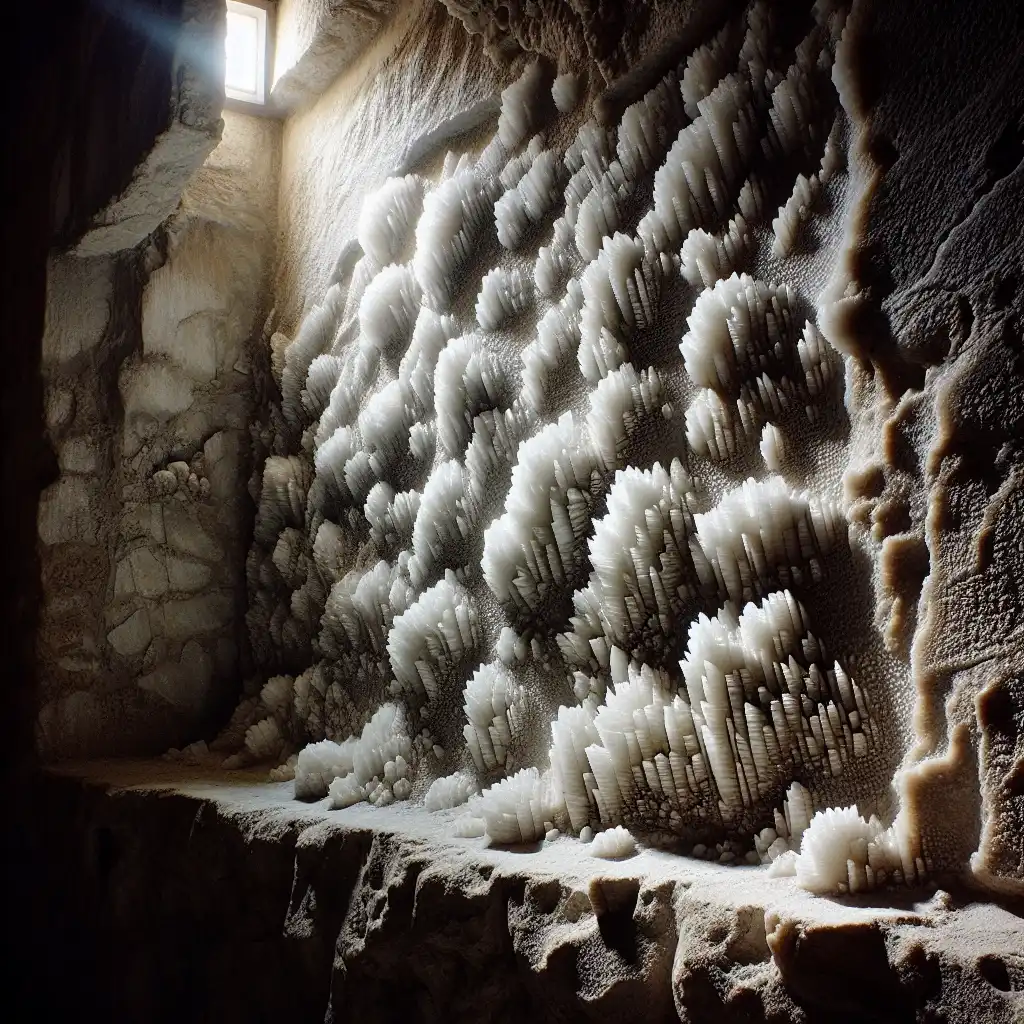
Efflorescence is a word used to describe the process of a substance, such as salt or sugar, forming crystals on the surface when exposed to air. For example, if you leave a piece of salt out in the open, it might start to form little crystals on top. Efflorescence can also be used to describe an outburst or flowering of something, such as a talent or creativity. So, you can use the word efflorescence when talking about things like science experiments, art projects, or even people's personalities.
Both bloom and efflorescence refer to the process of flowering or blooming, but they're used in different contexts.
Bloom typically refers to the opening of flowers on a plant or tree, or the period during which they are in full bloom.
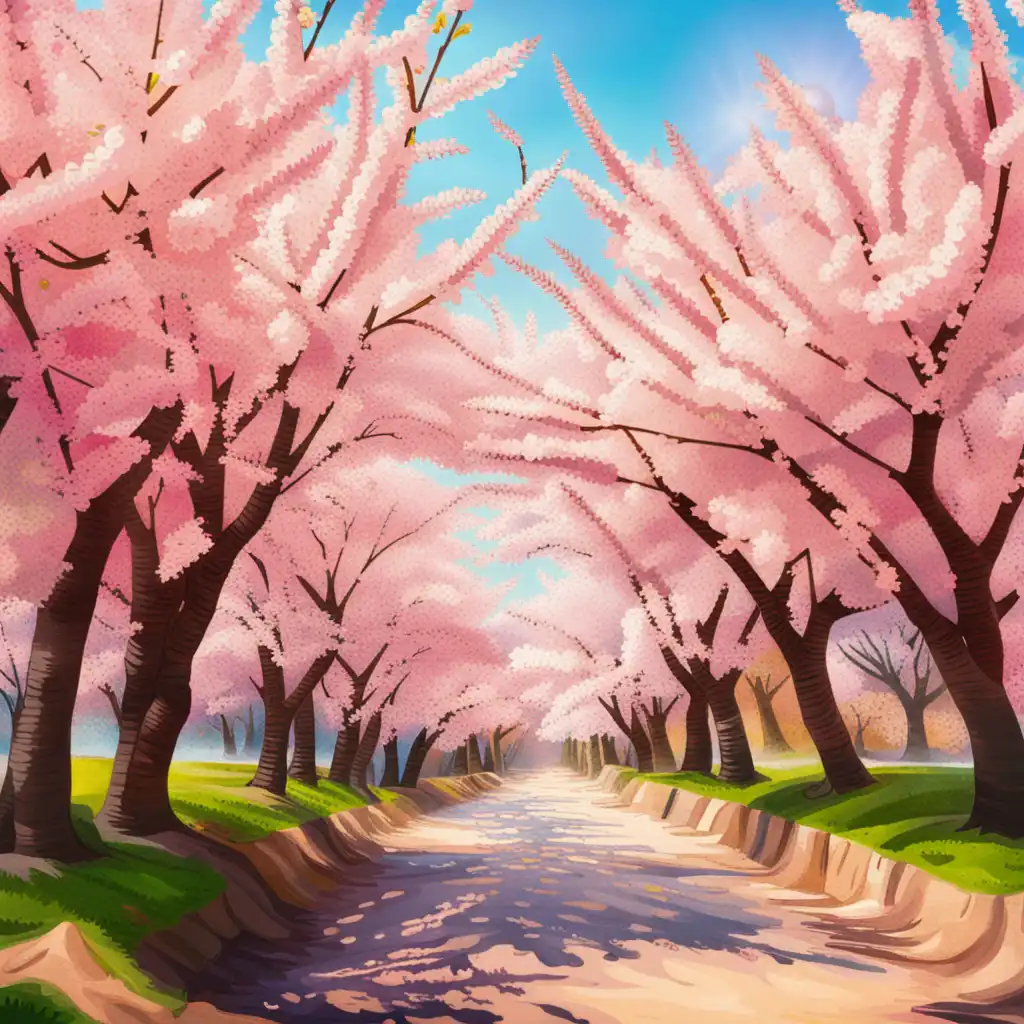
It can also refer to a sudden burst of activity or growth, such as a business that experiences a sudden boom in sales. For example, "the cherry trees were in full bloom" or "the tech industry is experiencing a bloom in start-ups.".
Both blossom and efflorescence refer to the blooming of flowers, but blossom is more commonly used when talking about individual flowers or a group of flowers that have bloomed, while efflorescence is used when referring to a more dramatic or large-scale blooming, such as when a whole area is covered in flowers.
For example, one might say that the cherry trees in their backyard have blossomed beautifully, while a desert landscape has erupted in a vibrant efflorescence of wildflowers after a rainy season.
Development refers to the gradual process of growth and change over time, while efflorescence refers to an outbreak or sudden bloom of something, like a flower blooming quickly after a period of rain.
Development can refer to various things like personal growth, economic progress, and technological advancements. Efflorescence describes a sudden burst of creative or artistic expression, like the Harlem Renaissance or the explosion of indie music in the 2000s.
Development is a slow and steady process of growth and change, while efflorescence is a sudden burst of creativity or activity.
Expansion refers to the act of something getting larger or spreading out, usually due to heat or pressure.
Efflorescence is a process where a substance forms a powdery/ crystalline substance on its surface while expansion is when something gets larger or spreads out.
Efflorescence refers to a sudden and abundant blooming or flowering, typically of plants or flowers. Whereas, flourish refers to a thriving development or growth, often used to describe a person's success or an organization's prosperity.
Flourish can apply to both natural and human environments. For instance, when a company grows its market share and profits, it's said to be flourishing.
Efflorescence is a brief but intense burst of color or life, while flourish is a steady and sustainable growth or success.
Flower is a term used to describe the reproductive structure of plants that is typically colorful and fragrant. It is a common term used in everyday language to describe the plant or a decorative arrangement of the plant's reproductive structures.
Efflorescence refers to a scientific process, while flower is a term used in everyday language to describe a plant's reproductive structure.
Progression refers to a gradual or steady process of change or development. It applies when things move from one stage to another in a continuous and logical way.
In essence, efflorescence denotes a rapid burst of growth or activity, while progression indicates a steady advancement or development over time.