fission
noun fission
ˈfɪʃn
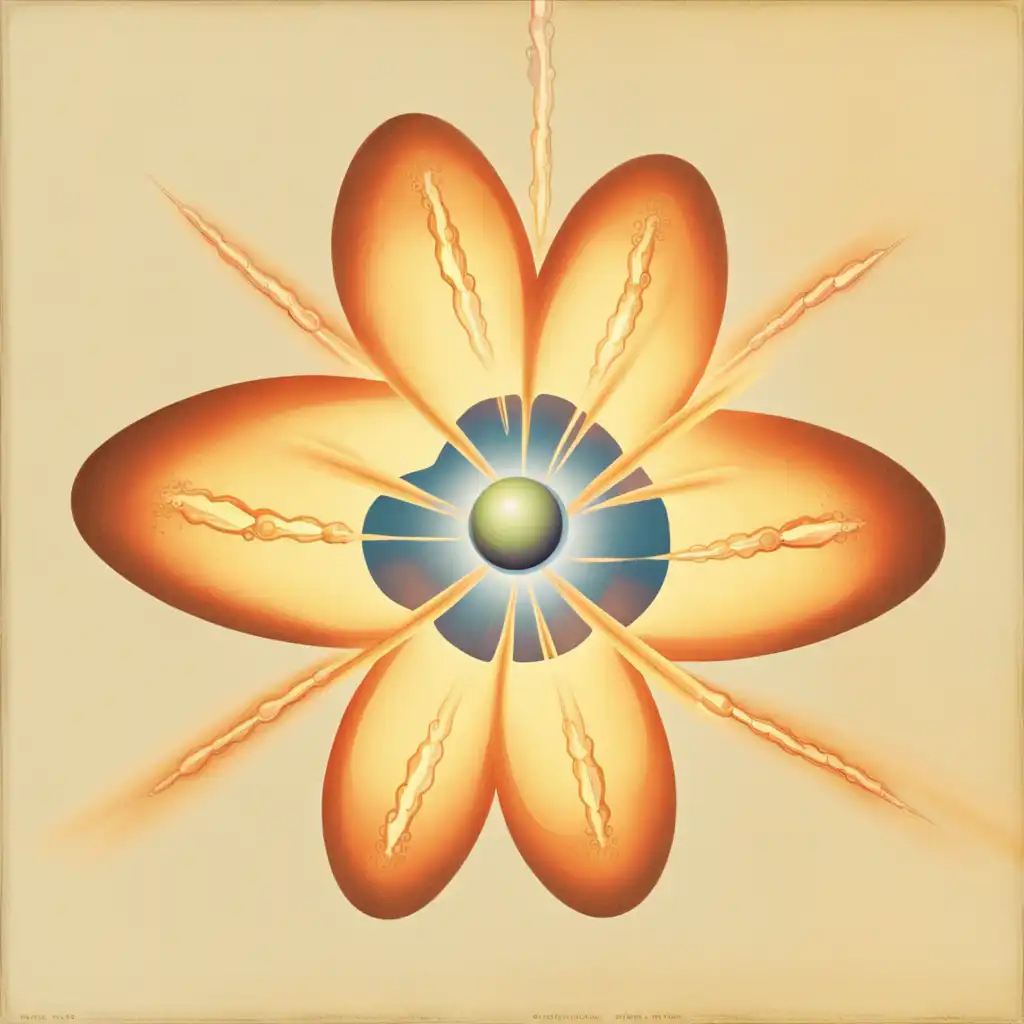
A process where a large atomic nucleus splits into two smaller ones, releasing a lot of energy.
Nuclear power plants work by controlling nuclear fission.
fission
ˈfɪʃn
Chargement…
ˈfɪʃn
A process where a large atomic nucleus splits into two smaller ones, releasing a lot of energy.
Nuclear power plants work by controlling nuclear fission.

ˈfɪʃn
The action of dividing or splitting into two or more parts.
The fission of the company into several smaller units was a strategic decision.
ˈfɪʃn
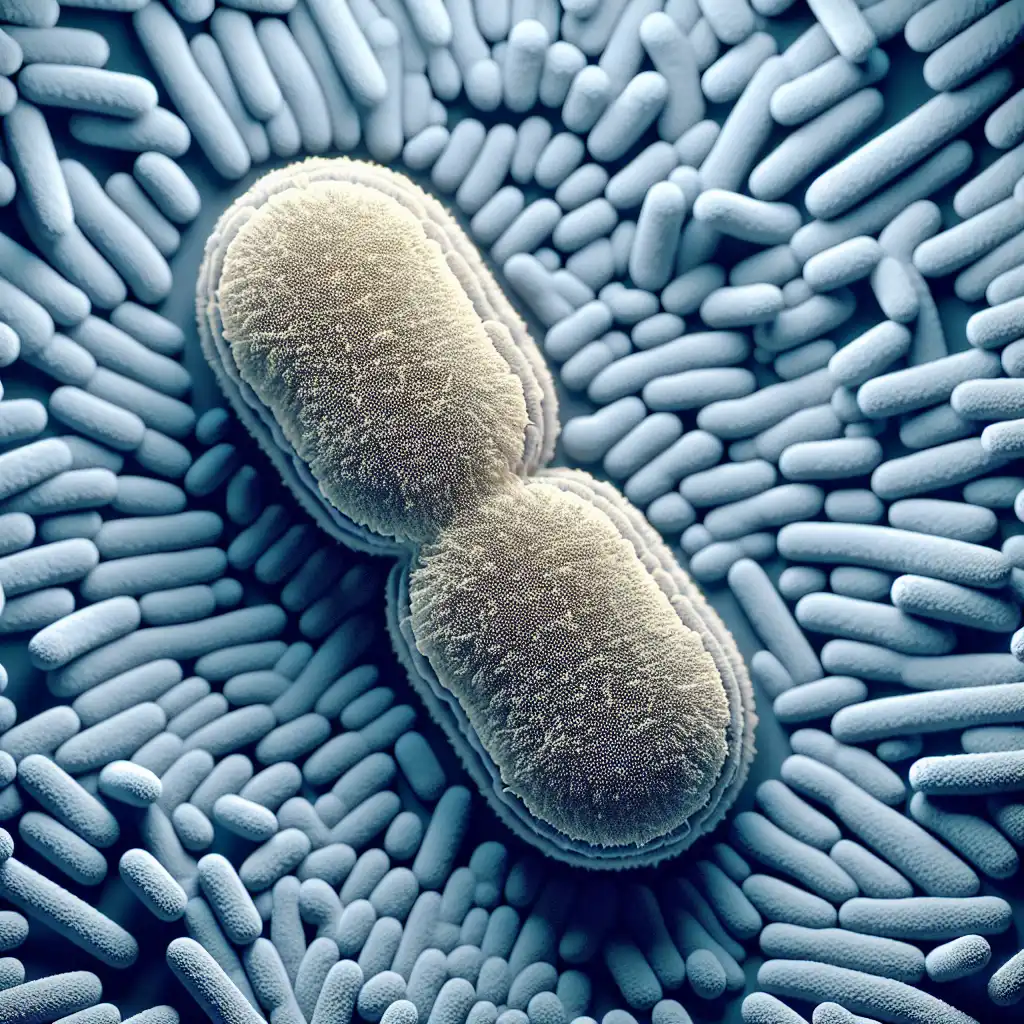
A kind of reproduction in which a single organism is split into two equal and identical parts.
Certain single-celled organisms, like bacteria, reproduce by fission.
Impossible de charger l’audio. Réessayez plus tard.
The term 'fission' means to divide something into two parts or more. In science, fission is often used to describe the splitting of an atomic nucleus into two smaller nuclei. This process releases a large amount of energy that can be harnessed for various applications, such as generating electricity. The word can also be used in more general contexts, such as when discussing the division of teams, ideas, or groups.
Breakdown and fission refer to two different processes in chemistry and physics.
Breakdown refers to the process where a substance is broken into smaller pieces or components due to a chemical or physical reaction.
This can happen due to factors such as light, heat, pressure, or exposure to other chemicals. For example, the breakdown of water into hydrogen and oxygen gas through electrolysis is a chemical reaction.
Breakdown refers to a general process of breaking down a substance, while fission refers specifically to the splitting of an atomic nucleus.
Ouvrir le mot: Breakdown →Both cleavage and fission refer to the splitting of something into two parts.
Cleavage is typically used in biology to describe the splitting of cells or organisms into two identical parts during cell division or reproduction.
For example, when a fertilized egg divides into two identical cells, that is called cleavage.
Cleavage refers to the splitting of cells or organisms into identical parts in biology, while fission refers to the splitting of atoms into smaller atoms in physics.
Ouvrir le mot: Cleavage →Both division and fission refer to the splitting of something into smaller parts, but they are used in different contexts.
Division is typically used to refer to the splitting of things into equal or unequal parts. For example, when you divide a pizza into six slices, you are splitting it into equal parts.
When you divide a group of 30 people into three teams of 10, you are splitting them into equal parts.
So, in short: division is splitting something into parts, while fission specifically refers to the splitting of atomic nuclei.
Ouvrir le mot: Division →Fragment refers to a piece or part that has been broken off from something larger.
It can refer to physical objects or ideas. Fragmentation is used in biology to refer to the splitting of a single-cell organism into multiple cells during reproduction.
So, while fission is typically used in relation to atoms and nuclear energy, fragment is a more general term for things breaking apart.
Ouvrir le mot: Fragment →Separate refers to the process of dividing or splitting something into parts or pieces.
It can apply to a wide range of things, such as separating clothes into different piles for washing, separating molecules in a chemical reaction, or separating different components of a mixture.
Fission refers specifically to nuclear reactions, while separate is a more general term for dividing or splitting things apart.
Ouvrir le mot: Separate →Both words - fission and split - refer to the breaking apart of something into smaller parts.
However, fission typically refers to the splitting of atomic nuclei (the center of an atom). This process is used in nuclear power plants and in nuclear bombs.
Split is a more general word that can refer to the breaking apart of anything into parts, such as splitting a log into kindling or splitting a pie into individual pieces.
Fission is typically used when talking specifically about the breaking apart of atomic nuclei, while split can be used in a more general sense for anything being broken apart into smaller parts.
Ouvrir le mot: Split →How do nuclear power...
Voir sur YouTube ↗Certainly science, because of its ability to increase our capacities to do things, raises terrible risks for us all. If it were possible to undiscover nuclear fission, I would be very happy to undiscover it, because of the risks that it puts us all under.
Taylor Wilson: My...
Voir sur YouTube ↗The fundamental point in fabricating a chain reacting machine is of course to see to it that each fission produces a certain number of neutrons and some of these neutrons will again produce fission.
The Unexplored Depths %\PIPE%...
Voir sur YouTube ↗Of all the failed technologies that litter the onward march of science - steam carriages, zeppelins, armoured trains - none has been so catastrophic to prosperity as the last century's attempt to generate electricity from nuclear fission.
Dear Aunt Bonnie I’m...
Voir sur YouTube ↗Before agriculture was invented, land was not a resource. Before oil drilling and nuclear fission were invented, petroleum and uranium were not resources.
Can you survive nuclear...
Voir sur YouTube ↗France generates a significant part of its energy requirements from fission reactors and these have achieved a perfect safety record. We build ours all differently.
How much electricity...
Voir sur YouTube ↗The Highway Code can't be that difficult to understand, and yet my brain seems to treat it as a set of nuclear fission instructions in Old Japanese.
Kevin Kelly tells...
Voir sur YouTube ↗Rocket scientists agree that we have about reached the limit of our ability to travel in space using chemical rockets. To achieve anything near the speed of light we will need a new energy source and a new propellant. Nuclear fission is not an option.
We need a "moral...
Voir sur YouTube ↗Nearly all of our existing power sources are generators which use a heat cycle. This includes our coal, oil, and gas fired utilities, our automobiles, trucks, and trains, and even our nuclear fission utility power plants.
Technology's epic story...
Voir sur YouTube ↗DODDS Finalist %\PIPE%...
Voir sur YouTube ↗