
indentation
noun indentation
ˌɪndenˈteɪʃn
A space left at the first line of a paragraph for aesthetics and readability.
In essay writing, indentations are usually found at the beginning of each new paragraph.
indentation
ˌɪndenˈteɪʃn
読み込み中…
ˌɪndenˈteɪʃn
A space left at the first line of a paragraph for aesthetics and readability.
In essay writing, indentations are usually found at the beginning of each new paragraph.
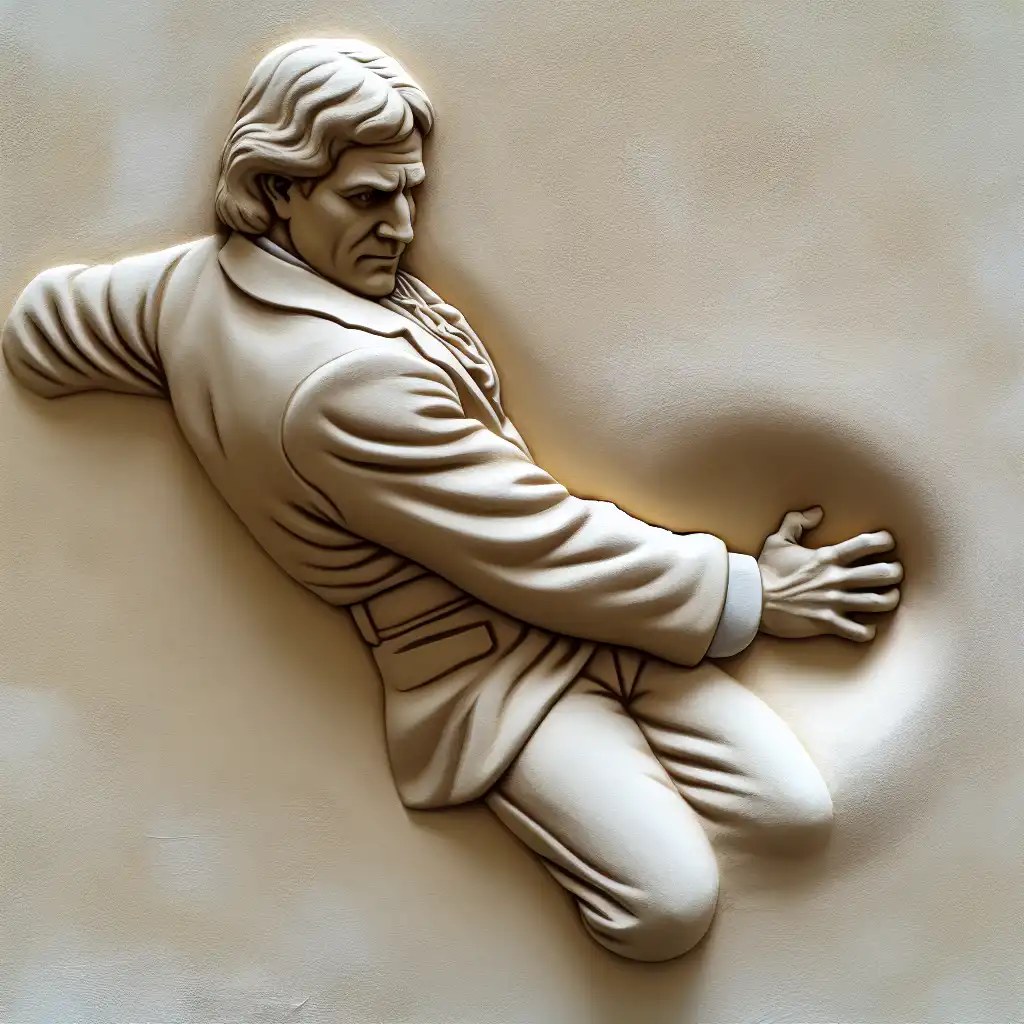
ˌɪndenˈteɪʃn
A depression or hollow in a surface.
He made an indentation in the wall with his elbow when he slipped.

ˌɪndenˈteɪʃn
In coding and programming languages, it is the space left before a line of code to signify a block of code.
In Python, correct indentation is crucial for the program to run properly.
音声を読み込めませんでした。しばらくしてからもう一度お試しください。
Indentation refers to the space at the beginning of a line of text. When you start a new paragraph, you might choose to add an indentation to make it clear that it's a new section. Indentation is commonly used in formal writing, such as essays and business letters, but it can also be used in more casual settings, like personal emails or social media posts. Sometimes software programs will automatically indent a new line, other times it needs to be done manually by hitting the tab key on your keyboard.
Cavity and indentation are two words used to describe specific types of shapes or openings on surfaces.
A cavity is a hole or a hollow area in a surface. This can be seen in things like teeth or bones, where there might be a depression or a pit.
A cavity can also describe a space inside an object, like the cavity inside a pumpkin. The term cavity is commonly used in medical or dental contexts.
It is often used to refer to a small dip or groove, like a fingerprint indentation or a dent in a car. Indentations are typically shallower than cavities and are often the result of something pressing into the surface of the object.
A cavity is a hole or a hollow area while an indentation is a small notch or groove. Cavity is commonly used in medical or dental contexts while indentation is used when describing small dips or grooves on surfaces.
単語を開く: Cavity →A channel is a long and narrow pathway that is created on the surface of a material, such as a river, road, or on a circuit board.
Channels are often used to direct the flow of a substance, such as water or electricity.
The main difference between the two is that channels are long and narrow pathways, while indentations are small depressions or recesses.
Channels are used to direct the flow of something, while indentations are used to give something more shape or texture.
A channel could be applicable in directing water flow or traffic. An indentation could be applicable in creating a design on a piece of metal or to allow for more grip on a surface.
単語を開く: Channel →Depression refers to a medical condition that affects a person's mood, energy, and ability to function, causing them to feel sad, hopeless or empty.
Depression is a medical condition related to mental health, while indentation is a physical or visual feature that can be applied to various fields.
単語を開く: Depression →Both dip and indentation refer to a depression or hollowed-out area.
However, the word dip is more commonly used to describe a shallow depression or a brief moment of decreasing in level or intensity (e.g.
dipping a chip in dip). The word indentation is commonly used to describe a more defined and noticeable hollowed-out area - like what you might see on the side of a coin or in the surface of a material that has been pressed into.
Dip is used for shallower and more temporary depressions while indentation is used for more defined and permanent depressions.
単語を開く: Dip →A furrow is a narrow groove or trench that is usually made in soil by a plow or digging tool, and is typically used to plant seeds.
Furrows are most commonly used in agriculture or gardening to create trenches for planting crops or trees. Indentations are more general and can refer to any small dip in a surface, such as fingerprints, button impressions, or the small dents that can appear on a car after a hail storm.
単語を開く: Furrow →Both groove and indentation refer to a depression or hollow in a surface.
However, a groove is a long, narrow cut in a surface, often used to guide or contain something (such as a record groove), while an indentation is a smaller, more general term for any kind of sunken area in a surface (such as a fingerprint indentation).
A groove is usually used in a specific context to guide something, while an indentation is a more general term that applies to any kind of depression.
単語を開く: Groove →Hollow refers to an empty space or cavity inside an object, while indentation refers to a notch, groove or depression on the surface of an object.
For example, a pipe can be hollow, meaning it has an empty space inside, but it may not necessarily have any indentations on the outside.
A car tire may have indentations on its surface, such as grooves or treads, but it is not hollow.
Hollow refers to what is on the inside of an object, whereas indentation refers to what is on the outside surface of an object.
単語を開く: Hollow →Notch, however, refers to a V-shaped or U-shaped incision or cut into an object or material. Notches are used to make a deeper or more precise cut, for example, in carpentry and woodworking when shaping wood or in metalworking to create grooves for welding.
Indentation is a hollow or depression, while a notch is a V-shaped or U-shaped cut in an object or material. Indentation is applicable when objects need to fit within each other, while notches are useful in creating precise cuts.
単語を開く: Notch →Buzz Aldrin: Mission to...
YouTube で見る ↗People's hands fascinate me. It's tempting to look at a businessman's left hand and see if there's an indentation from a missing wedding ring. Or maybe there's a tan line and the skin is pressed down where's he's worked a ring off his finger.
My journey to thank all...
YouTube で見る ↗What's an algorithm? -...
YouTube で見る ↗