rhythm
noun rhythm
ˈrɪðəm
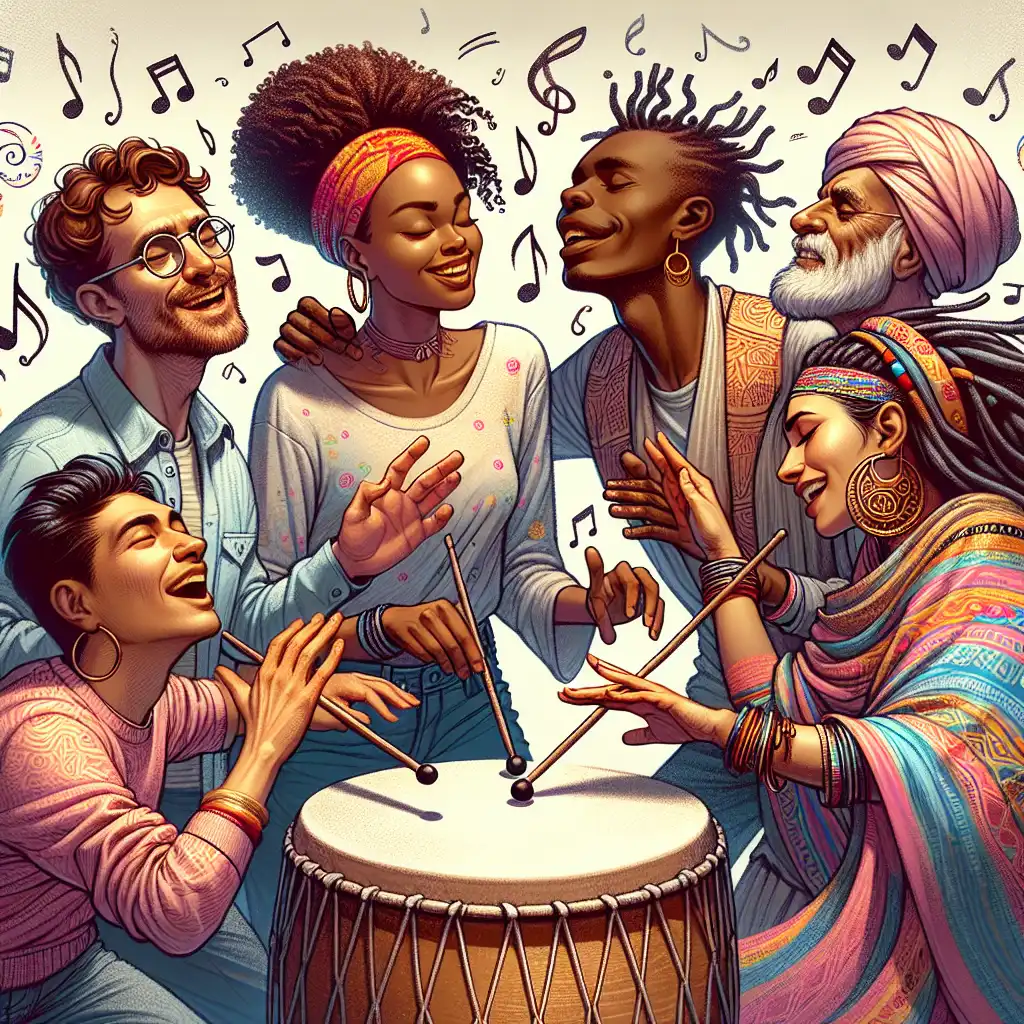
The regular and repeated pattern in music
The rhythm of the song made everyone want to dance
rhythm
ˈrɪðəm
लोड हो रहा है…
ˈrɪðəm
The regular and repeated pattern in music
The rhythm of the song made everyone want to dance

ˈrɪðəm
The regular and repeated pattern in something that happens or is done
We got into a good rhythm as we kept working
ˈrɪðəm
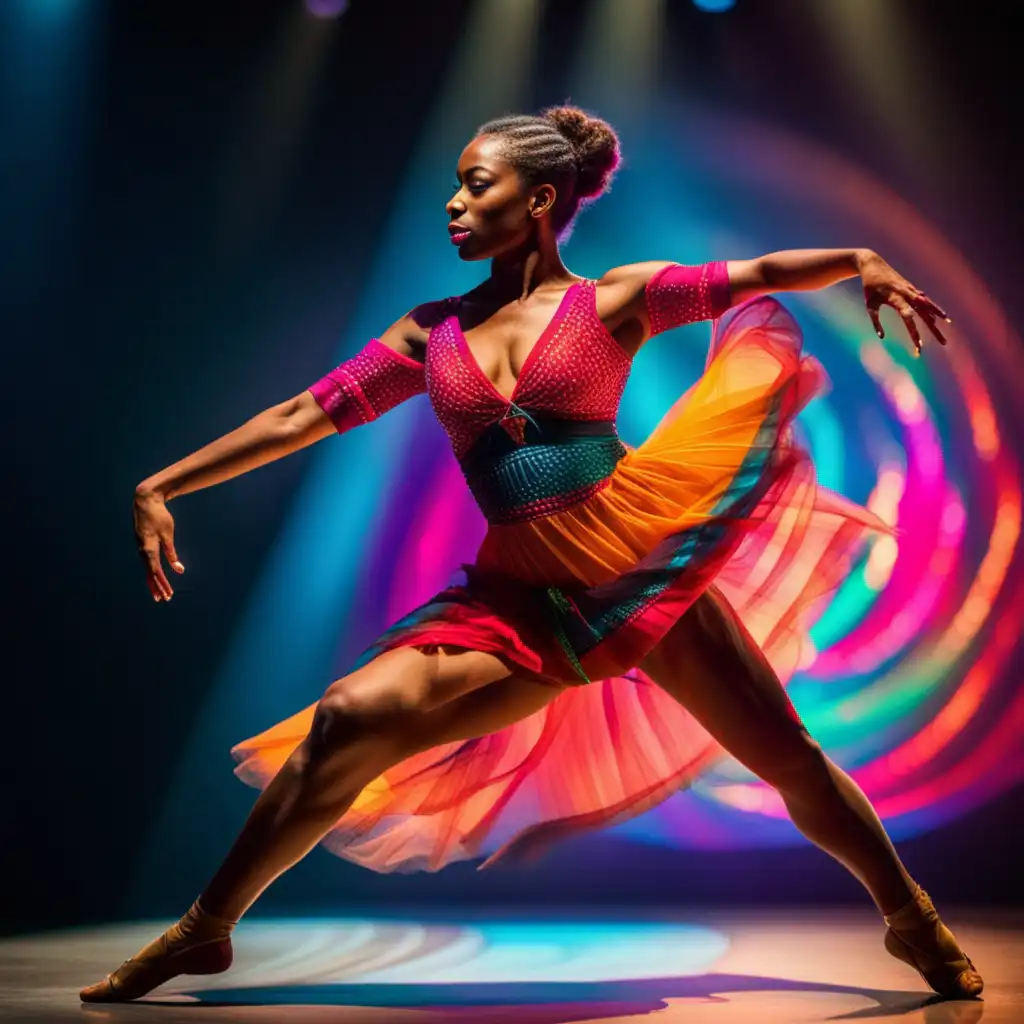
A strong, regular, repeated pattern of movement in dance
He showcased his remarkable sense of rhythm in his dance
ˈrɪðəm
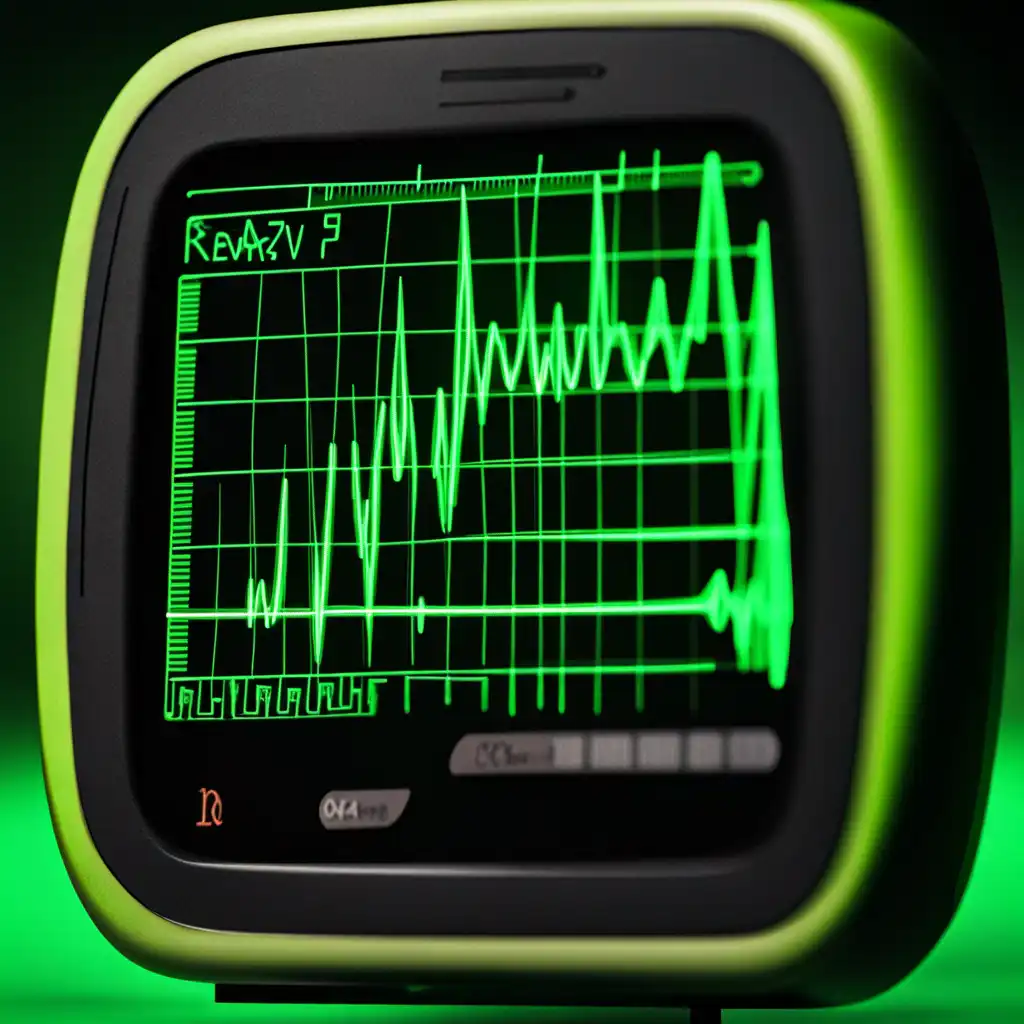
In medical science, rhythm refers to the regular occurrence of certain processes in the human body
The rhythm of his heartbeat was steady
ˈrɪðəm
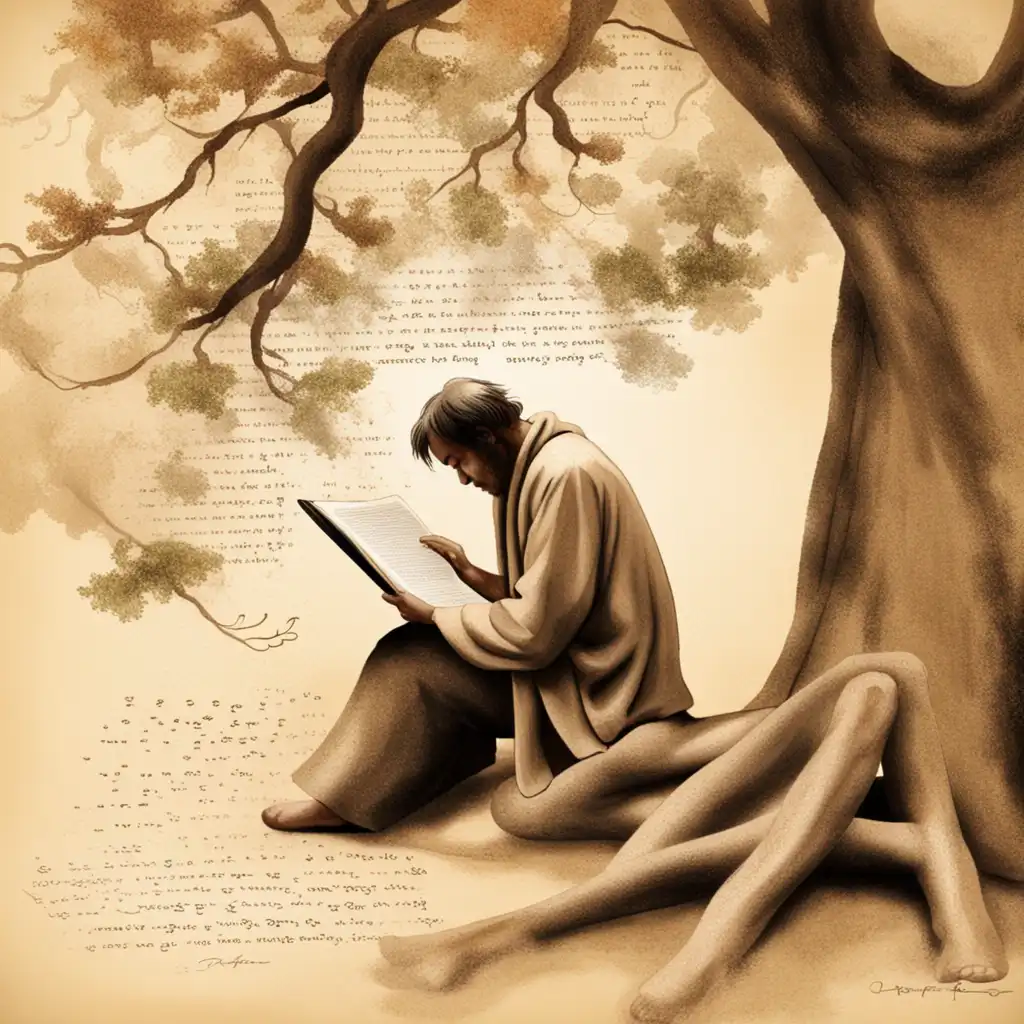
In poetry, rhythm is a way the words go
The rhythm of the poem was captivating
ऑडियो लोड नहीं हो सका। कृपया बाद में फिर कोशिश करें।
Rhythm is a word that describes the beat or pattern of sound. It can be used to talk about music, poetry, or even everyday activities like walking or breathing. For example, if you listen to a song, you can feel the rhythm by tapping your foot or clapping your hands to the beat. Rhythm can also be used to describe the way words are spoken in a poem or how a person speaks in conversation. So, if you want to talk about the beat or pattern of sound in something, you can use the word rhythm.
The beat refers to the steady pulse or pattern of a song that you can tap your foot or clap your hands to. It is the underlying foundation of the music and gives it structure.
The beat is often measured in terms of BPM (beats per minute) and is usually created by a drum or percussion instrument.
The rhythm refers to the various patterns of sounds and silences that are created within the beat. It is the melody and flow of the music that gives it a unique character and personality.
The beat is the consistent pulse that drives the music forward, while the rhythm is the melodic variation and flow of the music that makes it interesting to listen to.
Both beat and rhythm are important aspects of music and can be found in any genre, from rock to pop to jazz to classical.
शब्द खोलें: Beat →Both cadence and rhythm refer to patterns of sound, but they are used in slightly different ways.
Cadence refers to the rise and fall of a person's voice when speaking.
In other words, cadence is about the ending or conclusion of a sound.
Cadence is more specific and focused on the ending or resolution of sounds, while rhythm is a broader term that encompasses the overall pattern and structure of sound.
शब्द खोलें: Cadence →Flow means the smooth and continuous movement of something.
It usually describes the way something moves, such as a river flowing, or the way someone speaks, such as the flow of words in a speech.
Flow refers to the smoothness of movement, while rhythm refers to the consistent pattern of beats or movements.
शब्द खोलें: Flow →Meter refers to the beats or patterns in music, while rhythm refers to how those beats are accented or emphasized to create a particular feeling or groove.
Meter is more technical and focuses on the underlying structure of a piece of music, while rhythm is more about the feeling and movement that the music creates.
Meter is applicable in analyzing and understanding the structure of music, while rhythm is applicable in creating and performing music to convey emotion and energy.
शब्द खोलें: Meter →Movement generally refers to physical motion or action while rhythm refers to a pattern of sound or music. Movement is applicable in physical activities such as sports, dance, or any action that involves bodily motion.
Rhythm is applicable in music, poetry, or any form of artistic expression where there is repetition of sound or beat. Movement is about how you move your body, while rhythm is about how you make sounds or music.
शब्द खोलें: Movement →Pattern and rhythm are similar in the sense that they both involve repetition, but their applications are slightly different.
- Pattern refers to a repeated design or arrangement of elements, such as shapes or colors. For example, a plaid shirt has a pattern of horizontal and vertical stripes.
Patterns can be visual, like in art and fashion, or they can refer to repeated actions or events, like traffic patterns or the pattern of a heartbeat.
- Rhythm refers to a repeated pattern of sounds or beats that creates a sense of movement or flow. For example, music has rhythm because it has a repeated beat or melody that makes you want to move or tap your foot.
So while both pattern and rhythm involve repetition, pattern refers to visual or conceptual repetition and rhythm refers to the repetition of sounds or beats.
शब्द खोलें: Pattern →A pulse is the regular beating of the heart or the sensation of that beating. It is a physical phenomenon and is measured in a unit known as beats per minute (bpm).
A pulse can be felt by placing fingers on a person's wrist, neck or temple. It signifies the blood flow in the body.
In simple terms, we can say that a pulse is related to the physical body, while the rhythm is related to art and creativity.
शब्द खोलें: Pulse →Rhythm refers to the pattern of beats and pauses in music, while tempo refers to the speed at which the music is played.
For example, a song may have a fast tempo, meaning it is played quickly, but the rhythm may be slow and steady with even beats.
A song with a slow tempo may have a complex rhythm with uneven beats and pauses.
Both rhythm and tempo are important elements of music and are used to create different moods and styles. Rhythm is applicable in all genres of music and is used to create a sense of pulse and groove, while tempo is important in dance and can affect the energy and emotion conveyed in a piece of music.
शब्द खोलें: Tempo →The up-and-down axis tells the performer the pitch of the note or what note to play, and the left-to-right axis tells the performer the rhythm of the note or when to play it. Let's start with pitch. To help us out we're going to use a piano,
YouTube पर देखें ↗You're not a rock n' roll person four hours a day or even when you're on stage. It's become the rhythm of your whole life.
eight minutes powering our living world and its daily and yearly rhythms shape the lives of every creature on earth
YouTube पर देखें ↗It's very interesting, the joke comes first and then the wording comes within five seconds, maybe ten seconds. My thing is to get the joke across in as few words as possible. However, sometimes a word that's not really needed does help the rhythm of it. It's a gut feeling.
was very important get one of these inside of you. Now what a research team did was they got their hands on what's called an ICD. This is a defibrillator and this is a device that goes into a person to control their heart rhythm, and these have saved many lives.
YouTube पर देखें ↗I know melody. I know rhythm; I know bass guitar; I know the piano. I know everything about music that helps build the music that go along with creating the whole art form, you know what I'm saying?
of modern and traditional rhythms apart from music guli air may and net so have taken a painting to help express their islands culture the pictures capture the
YouTube पर देखें ↗It's important to get match rhythm.
in his book how music works david ban one of the members of the band talking heads says something that about rhythm that i found very interesting he said we
YouTube पर देखें ↗I always want to play. It is important to gain match rhythm.
We can even imagine the two words of Ali's poem organizing in the air - Me We. Poetry has a shape that we can usually recognize. Its line breaks help readers navigate the rhythms of a poem. But what if those line breaks disappeared?
YouTube पर देखें ↗Rhythm and timing are so important in comedic acting.
We usually think of rhythm as an element of music, but it's actually found everywhere in the world around us, from the ocean tides to our own heartbeats, rhythm is essentially an event repeating regularly over time. Even the ticking of a clock itself is a sort of rhythm. But for musical rhythm,
YouTube पर देखें ↗Rhythm is the life of space of time danced through.
It's central to our experience, rhythm and repetition, rhythm and repetition. On and in, and on and out. And we delight in those aspects everyday, in the rhythm of a song, the beat of the drum, the nod of your head,
YouTube पर देखें ↗Generally, I don't need any music to dance. For me, dance is not because of the music. It is simply because I've found the rhythm of life.
each have corresponding areas of the brain where activity can be observed. But when researchers got the participants to listen to music, they saw fireworks. Multiple areas of their brains were lighting up at once, as they processed the sound, took it apart to understand elements like melody and rhythm,
YouTube पर देखें ↗There's a certain rhythm to comedy that is almost like you're dancing and you just go on autopilot, so to speak. There's something just beautifully enjoyable about comedy in that respect. It's a joy to be able to do that. Drama, you get to go to depths that you haven't gone to before.
so they regain their normal rhythm. This can prevent a person from dying but it won't raise a dead body, or a monster sewn together from dead bodies. So it would seem that all our various medical miracles
YouTube पर देखें ↗As a journalist, I interviewed people, and you begin to feel different rhythms in speech, and you can use those things to help carve out a character.