militarism
noun militarism
ˈmɪlɪtərɪzəm
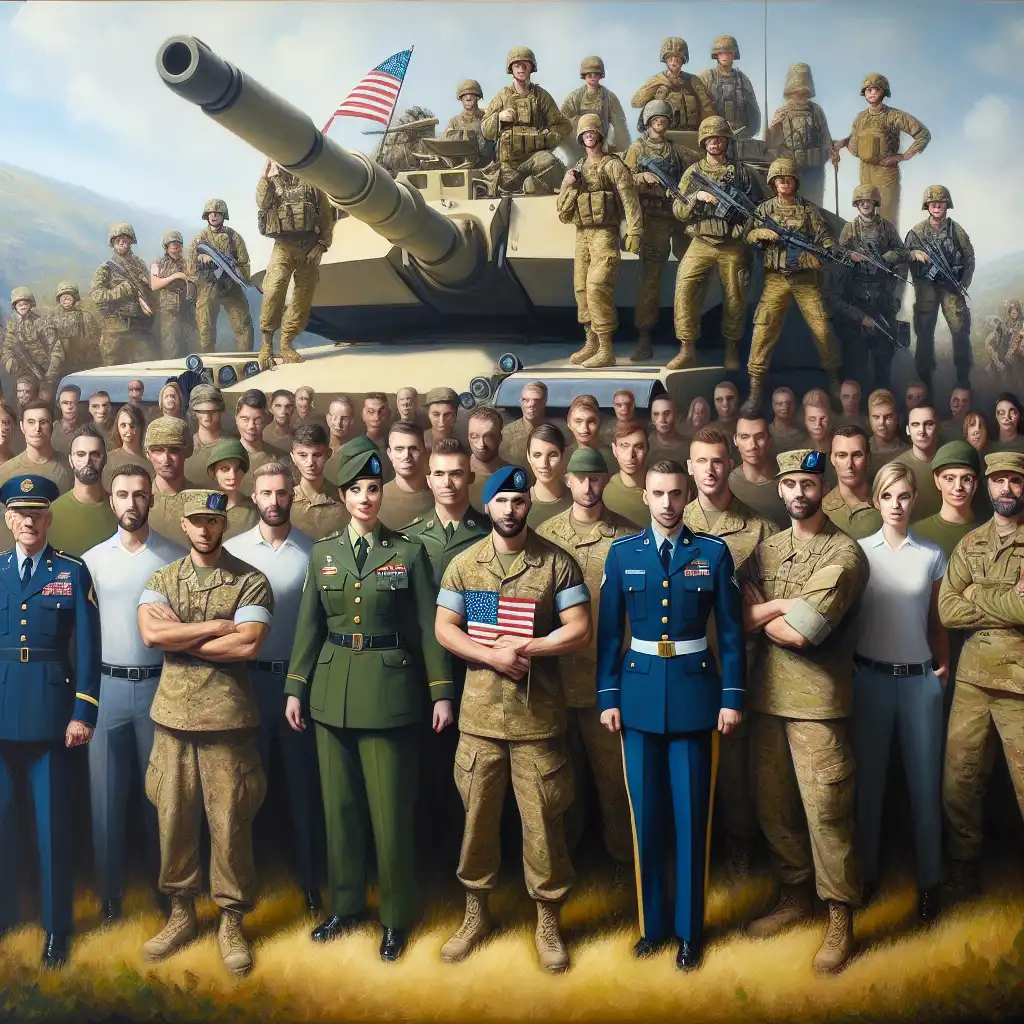
The belief that a country should have a strong military and be ready to use it to defend or promote national interests.
This government has an ideology of militarism.
militarism
ˈmɪlɪtərɪzəm
Đang tải…
ˈmɪlɪtərɪzəm
The belief that a country should have a strong military and be ready to use it to defend or promote national interests.
This government has an ideology of militarism.
ˈmɪlɪtərɪzəm
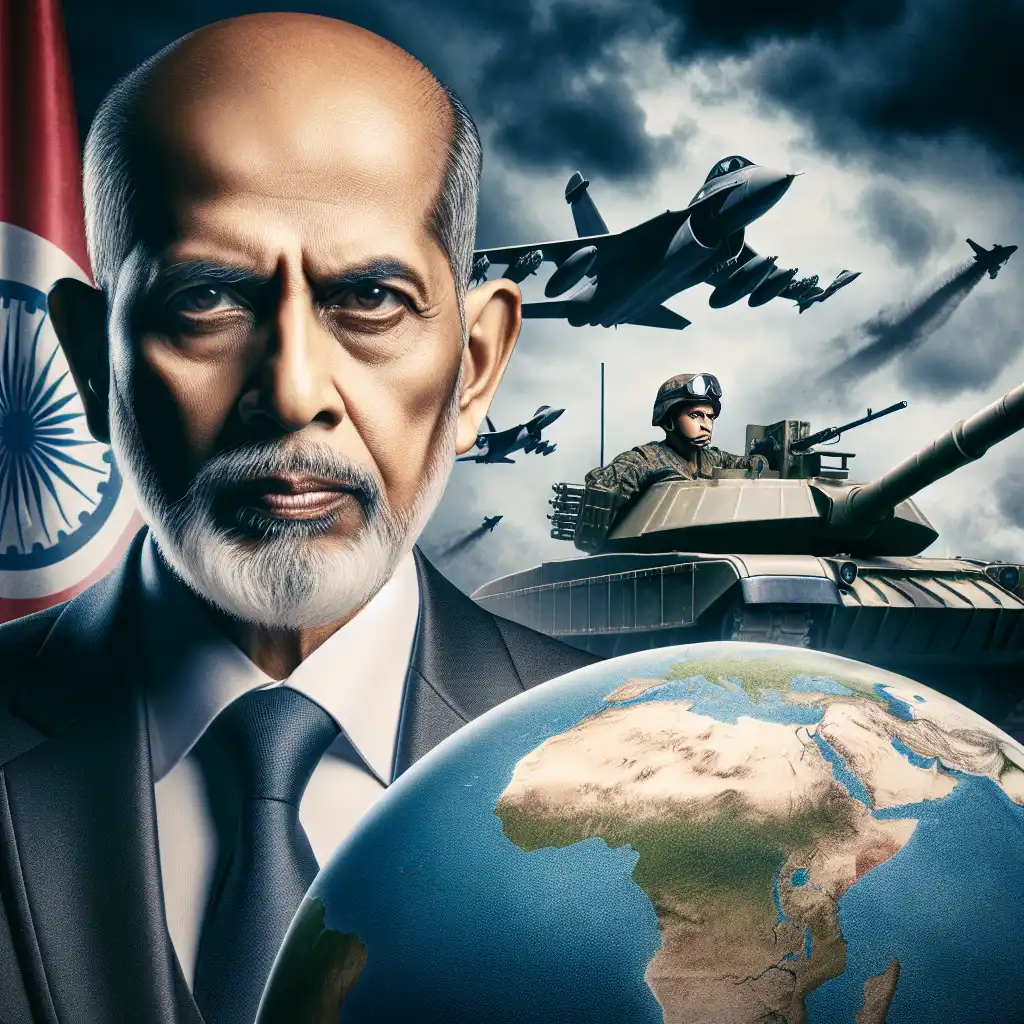
The tendency to resolve international disputes with strict military tactics and aggressive, war-like actions.
His foreign policy was criticized for its overt militarism.
ˈmɪlɪtərɪzəm
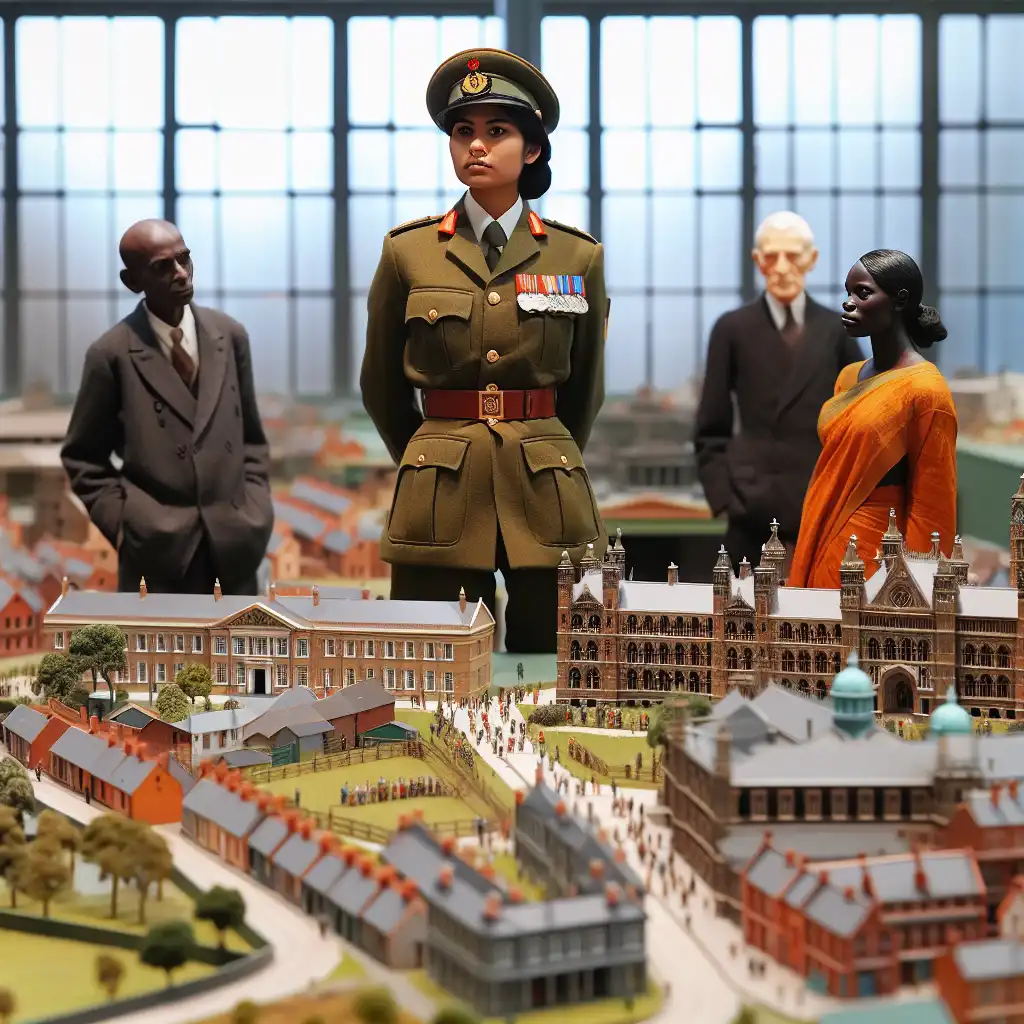
The influence of the military on a country's policies, society, and culture.
There's a growing trend of militarism in the nation's politics and culture.
Không tải được âm thanh. Vui lòng thử lại sau.
Militarism is a word that describes when a country or society values military power and strength above other things. It can be used to describe situations where governments spend a lot of money on armies and weapons, and where people are encouraged to think that war and fighting are good things. For example, if a country is constantly involved in wars and spends most of its money on the military, they can be said to have a militaristic society.
Aggression refers to any behavior or action that is intended to cause harm, domination or control over others.
Aggression can be exhibited in various forms like verbal, physical, emotional or psychological ways.
In summary, while aggression can occur in any situation, militarism is specifically tied to military power and its use.
Mở từ: Aggression →Armament refers to the weapons, equipment, and resources that a military force has.
In other words, armament refers to the actual things that comprise a military force.
In simpler terms, armament is about the physical objects that make up a military force, while militarism is about the belief system that promotes military power and aggression.
Armament is applicable to actual military operations, while militarism is applicable to political and ideological discussions about international relations.
Mở từ: Armament →Belligerence refers to a hostile or aggressive attitude or behavior towards others. It is applicable to interpersonal relationships, and also to conflicts between nations or groups.
In other words, belligerence is about how someone behaves towards others, while militarism is about a system or ideology that seeks to promote military power and influence.
Mở từ: Belligerence →Hostility refers to a feeling of unfriendliness, anger, or opposition towards another person or group.
Hostility is applicable in situations where there are disagreements or conflicts between individuals or groups. For example, if two people have a disagreement and start arguing, there is hostility between them.
Mở từ: Hostility →Imperialism is the policy of a country extending its power and influence through diplomacy or military force. It refers to a situation where a country seeks to control other countries or territories for economic or political gain.
Both imperialism and militarism involve the use of force, but imperialism is more focused on extending a nation's influence and control over other territories, whereas militarism is focused on building up a nation's military strength.
Imperialism is applicable when a nation seeks to expand its territory, resources, or influence, while militarism is applicable when a nation wants to build up its military strength for purposes like defense or aggression.
Mở từ: Imperialism →Jingoism refers to an extreme pride in one's country and an aggressive or belligerent attitude towards other countries.
Jingoism is a mindset or attitude, while militarism is a broader societal or governmental approach. Jingoism is applicable to individuals, while militarism is applicable to entire nations.
Mở từ: Jingoism →Nationalism is the belief that one's country and its interests should come first over other nations.
Nationalism can inspire pride and unity among citizens, but it can also lead to conflicts between nations when one country's interests are seen as a threat to another's.
Nationalism is applicable in situations where a country wants to promote its identity and interests, but it can also lead to xenophobia and discrimination against minority groups.
Mở từ: Nationalism →Warfare refers to actual armed conflict between different forces. It is applicable in situations where two or more parties engage in violent conflict, typically involving military forces.
In simpler terms, militarism is a mindset or ideology that promotes the importance of a strong military, while warfare is the physical act of engaging in battle.
Mở từ: Warfare →The path to ending...
Xem trên YouTube ↗From a very young age, militarism and trying to solve the world's problems through militarism is something that has always resonated with me as being a bad idea.
Two thousand years ago, we abandoned imperialism and militarism. We have been peace-lovers ever since.
I think a culture of nonviolence will help create the condition where poverty is unacceptable, where racism is way behind us and not something that we have to deal with on a frequent basis, and where militarism and violence are reduced almost to be nonexistent.
It is against this concept of the sovereign state, a state isolated by protectionism and militarism, that internationalism must now engage in decisive battle.
You don't need to be a fan of wars or militarism to note that heroic action - whether being prepared to be jailed as a conscientious objector or putting your life on the line by joining the resistance - creates a sense of meaning when society faces a huge challenge.
Freedom from militarism will give the German people the opportunity, if they will but seize it, to apply their great energies and abilities to the works of peace.
Every award for me is important because it means a slap against militarism and fascism in Indonesia.
My own feeling is that one should refuse to participate in any activity that implements American aggression - thus tax refusal, draft refusal, avoidance of work that can be used by the agencies of militarism and repression, all seem to me essential.
Authoritarianism, religious fundamentalism and militarism are inherently patriarchal and hierarchical.
Like a cyclone, imperialism spins across the globe; militarism crushes peoples and sucks their blood like a vampire.