turbulence
noun turbulence
ˈtɜːrbjələns
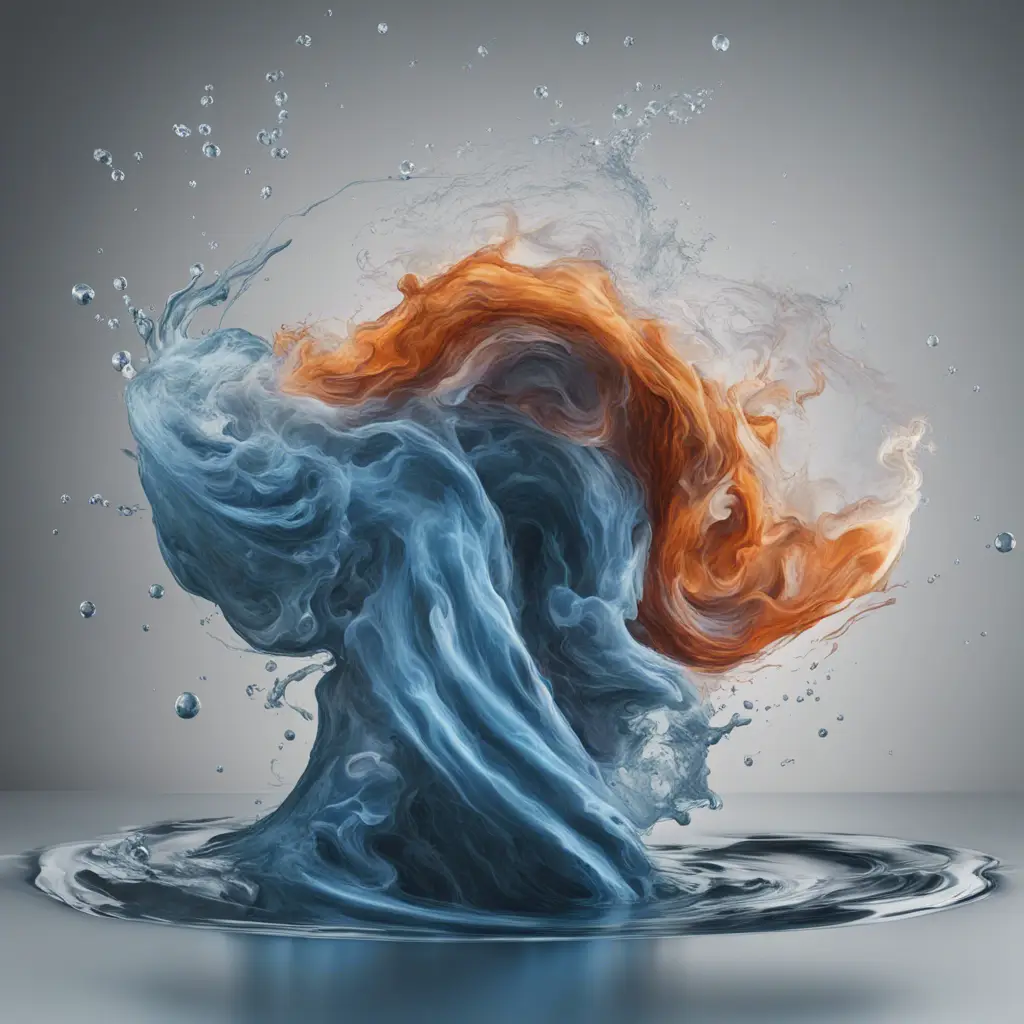
Unstable, quickly changing or chaotic movement in air, water or any other fluid
The airplane experienced turbulence during the stormy weather.
turbulence
ˈtɜːrbjələns
Loading…
ˈtɜːrbjələns
Unstable, quickly changing or chaotic movement in air, water or any other fluid
The airplane experienced turbulence during the stormy weather.
ˈtɜːrbjələns
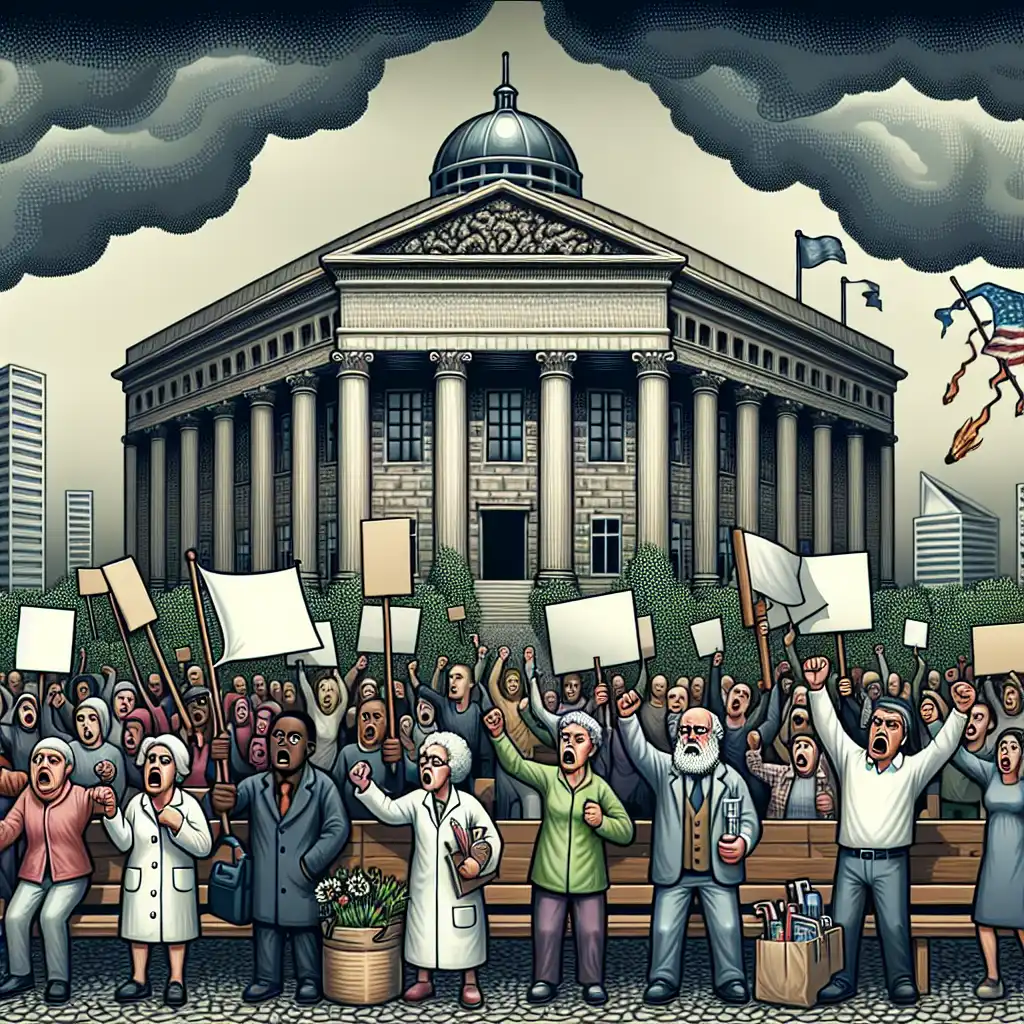
A state of disorder, confusion, or instability
The country has been going through a great deal of political turbulence.
ˈtɜːrbjələns
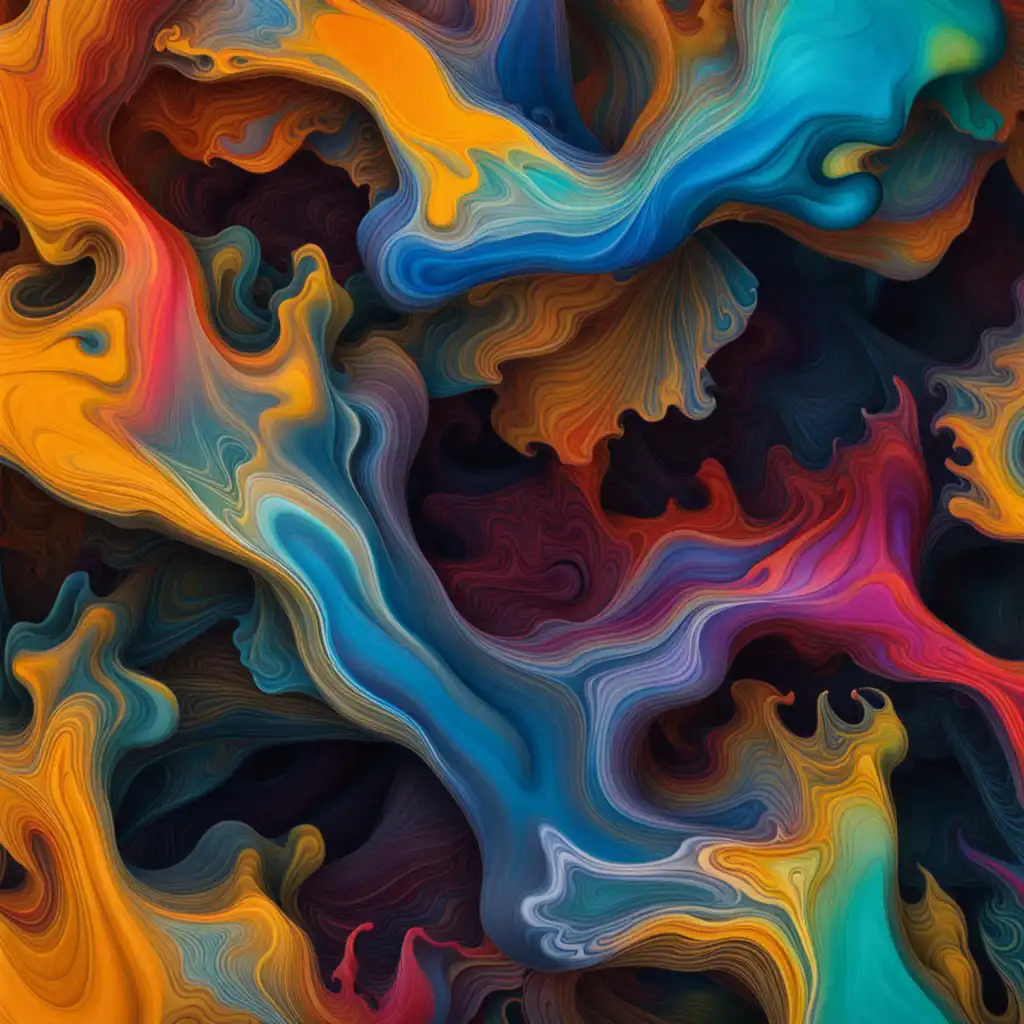
In physics, a flow regime characterized by chaotic, irregular motion
Fluid dynamics studies factors such as turbulence and viscosity.
Audio could not be loaded. Please try again later.
Turbulence is a word to describe sudden, irregular movements in the air or water. It's often used to describe a bumpy flight experience on an airplane or a rough boat ride on choppy waters. It can also be used to describe a situation or experience that is chaotic, unpredictable or unstable. For example, if a company is going through a turbulent period, it's experiencing a lot of change and uncertainty.
Agitation refers to a state of being disturbed or upset, causing anxiety or worry.
It can describe emotions or situations that cause tension or unrest, such as political agitation or agitation caused by a difficult decision.
Agitation refers to a state of emotional unrest, while turbulence refers to a state of physical chaos.
Open word: Agitation →Chaos refers to a state of complete disorder and confusion where everything is unpredictable and unorganized.
In simpler terms, chaos refers to a more general state of disorder, while turbulence specifically refers to the irregular motion of air or fluids.
Open word: Chaos →Commotion and turbulence both refer to a state of disturbance or agitation, but they are used in slightly different contexts.
Commotion usually refers to a noisy disturbance or uproar that is caused by people. For example, a protest can cause a commotion in the streets.
Commotion describes a noisy disturbance caused by people or a state of confusion, while turbulence refers to a state of disturbance in the air or water that affects a vehicle.
Open word: Commotion →Disorder refers to a lack of organization or structure, whereas turbulence refers to rapid and irregular movement. Disorder is applicable in situations where there is confusion and chaos, such as a messy room or disorganized schedule.
Open word: Disorder →Disturbance generally refers to anything that causes a disruption or interruption. For example, a loud noise outside your window might be referred to as a disturbance.
Disturbance is more general and can refer to any kind of disruption, while turbulence specifically refers to unstable movement in fluids or gases.
Open word: Disturbance →Instability refers to a lack of balance or steady state in a system, often leading to sudden and unpredictable changes.
Instability could be applicable to many systems, such as a country experiencing political unrest or a person dealing with emotional instability.
Instability refers to a lack of stability or predictability, while turbulence refers to chaotic motion or flow.
Open word: Instability →It is often used to describe a bumpy flight or rough sea conditions. Turmoil refers to a state of great disturbance, confusion or uncertainty.
It can describe a chaotic situation, such as a political crisis or personal upheaval. While turbulence implies physical movement, turmoil can refer to both physical and emotional upheaval.
Open word: Turmoil →Both turbulence and upheaval refer to a state of disorder and confusion, but there are slight differences between the two.
Upheaval implies a more dramatic and profound change, often accompanied by social, political, or economic turmoil. It generally involves a complete transformation of a system, whereas turbulence is usually a temporary disruption.
For instance, a revolution that overthrows a government would be considered an upheaval.
Turbulence describes a rapid and temporary disturbance, while upheaval denotes a more extensive and lasting transformation.
Open word: Upheaval →It is often used in the context of fluid dynamics and refers to irregular fluctuations or disturbances in flow. Volatility refers to the degree to which something is likely to change or fluctuate, such as the volatility of financial markets.
Turbulence refers to chaotic movement or behaviour, whereas volatility refers to uncertainty or instability in a system.
Open word: Volatility →was remarkably close to the way turbulent flow works, although a complete description of turbulence remains one of the unsolved problems in physics. A turbulent flow is self-similar if there is an energy cascade. In other words big eddies transfer their energy to smaller eddies, which do likewise at other scales.
Watch on YouTube ↗I hate turbulence in life, but also on planes.
of the real world. Now as I was thinking about the extremes of stress and turbulence that we know we will have to confront, I went and I talked to a number of chief executives
Watch on YouTube ↗Life is not safe, and so our task is not to promise our kids there will be no turbulence. It's to assure them that when the turbulence comes, we will all hold hands and get through it together.
and off you go right the police fasten your seatbelts and as the captain said earlier tables up and armrests on and peace mate sure your seat is in the upright position should you experience any turbulence please do and not be afraid I
Watch on YouTube ↗Turbulence is life force. It is opportunity. Let's love turbulence and use it for change.
versus private consumerism in the planet Emily escapes Newton's universe and finds one that looks more like her life full of uncertainty turbulence unpredictability chaos and worse chaos theorists in chaos theory one
Watch on YouTube ↗All the aggressive actions I do to myself I would never dream of doing in my own life - I am not this kind of person. I cry if I cut myself peeling potatoes. I am taking the plane, there is turbulence, I am shaking. In performance, I become, somehow, like not a mortal.
The more movement the greater the sound. The pigeon's large body and small wings mean it can't stay airborne without a lot of fast flapping. This creates turbulence in the feathers below.
Watch on YouTube ↗The Fed cannot levitate markets forever. And when they finally do move, I think we have to be prepared for a considerable amount of turbulence.
and affects the world around us. And yet turbulence is ubiquitous, springing up in virtually any system that has moving fluids. That includes the airflow in your respiratory tract. The blood moving through your arteries. And the coffee in your cup as you stir it.
Watch on YouTube ↗Business is all about risk taking and managing uncertainties and turbulence.
What's happened in this world of pipe is somebody has flipped it. They've changed the rules from laminar to turbulent. All the rules are gone. In that environment instantly, all the possibilities which turbulence brings are available, and it's not the same as laminar.
Watch on YouTube ↗If the plane moves, some turbulence, I am nervous flyer.
And it's on the other side also I think quite beautiful, as it somehow shows the turbulence in these kind of downtown areas, in these different places of the world. The "Green river," as a kind of activist idea not a part of an exhibition,
Watch on YouTube ↗I got kicked out of school... I caused a lot of turbulence throughout those years.
So one of them is that just any individual is subjected to less of the turbulence and all the damaging features that can happen from that environment. So they're all hunkered down there. Then also there's a safety in numbers thing because it also helps you keep away the predators,
Watch on YouTube ↗When a system is in turbulence, the turbulence is not just out there in the environment, but is a part of the organization or organism that you are looking at.
without turbulence, for a fraction of the energy consumption, about one tenth to be precise of an aircraft. And that's important, because we as humans have an innate need for speed.
Watch on YouTube ↗After the turbulence of death, moral principles and even religious proofs are called into question.