triviality
noun triviality
ˌtrɪviˈæləti
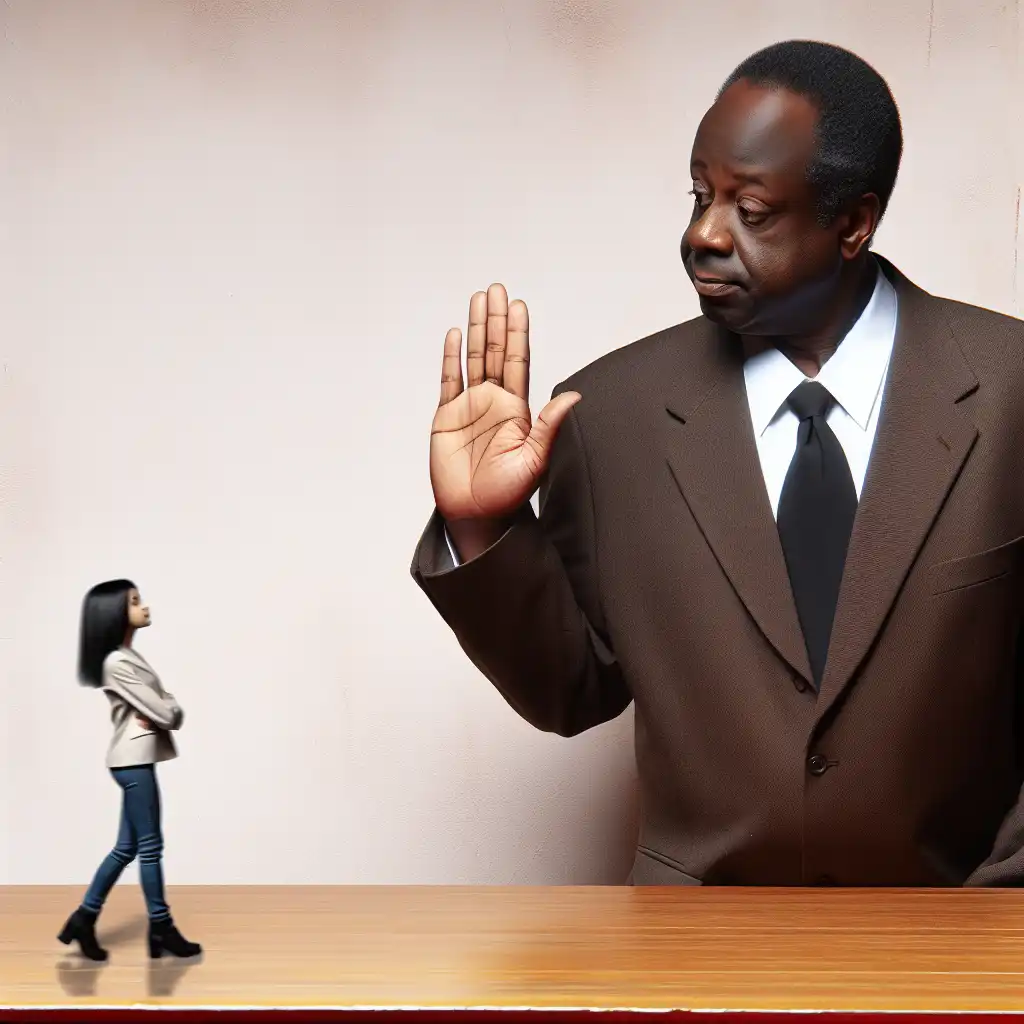
The quality of being insignificant or unimportant
He dismissed my question as a mere triviality.
triviality
ˌtrɪviˈæləti
불러오는 중…
ˌtrɪviˈæləti
The quality of being insignificant or unimportant
He dismissed my question as a mere triviality.

ˌtrɪviˈæləti
A thing that is of little value or importance
Everyday life is full of trivialities that can distract us from the bigger picture.
오디오를 불러오지 못했어요. 잠시 후 다시 시도해 주세요.
The word 'triviality' is used to describe things that are not important or significant. You can use it to talk about small or unimportant details in a conversation or situation, especially when they distract from what is really important. For example, you might say "Let's focus on the main issue, rather than getting bogged down in trivialities." It can also refer to things that are considered unimportant in the grand scheme of things.
Frivolity refers to something that is silly or lacking in seriousness, but is still enjoyable or entertaining. For example, a frivolous activity might be playing a game or watching a funny movie.
Both words describe things that are not especially serious, but frivolity suggests that there is still some enjoyment or pleasure involved, while triviality suggests that the thing in question is simply unimportant or irrelevant.
단어 열기: Frivolity →Both inanity and triviality refer to things that are unimportant or lacking significance.
Inanity typically refers to something that is silly, foolish, or empty-headed. It implies a lack of substance or intelligence, and suggests that the thing in question is not worth taking seriously.
For example, a TV show that consists of nothing but people making silly faces and telling bad jokes could be described as full of inanity.
Inanity describes things that are foolish or silly, while triviality describes things that are unimportant or insignificant in a more objective sense.
단어 열기: Inanity →Lightweight refers to something that doesn't weigh much or is easy to carry.
It can also mean something that is not very important or has little significance. For example, a lightweight jacket.
They differ in that lightweight relates specifically to weight or ease of carrying, while triviality refers to the importance or value of something.
Lightweight is more applicable when discussing physical objects, while triviality is more applicable when discussing ideas, information or opinions.
단어 열기: Lightweight →Pettiness refers to a person's behavior of being overly concerned with small, unimportant things and getting upset over them.
Pettiness is about behavior and attitude, while triviality is about the importance of things in a given situation.
Pettiness is negative, while triviality can be neutral.
단어 열기: Pettiness →Significance refers to something that is important or has a great meaning or impact. This could include events, people or ideas that have made a significant difference in history or in our personal lives.
Significance describes something that is important or impactful, while triviality describes something that is unimportant or insignificant.
단어 열기: Significance →Small refers to something that is little in size, amount, or number.
It is used when referring to physical objects or quantities. For example, a small dog or a small amount of money.
In brief, small refers to physical attributes like size, while triviality refers to abstract concepts like importance.
단어 열기: Small →Superficiality refers to a lack of depth or substance, either in a person's character or in a subject matter. For example, someone who only cares about appearances and material things could be accused of superficiality.
Superficiality involves a lack of depth or substance, while triviality concerns things that are not important or significant.
단어 열기: Superficiality →Trivial describes something that is insignificant, unimportant or of little significance. For example, solving a simple math problem is a trivial task.
Triviality refers to the quality or state of being trivial. It is an abstract concept and describes things that lack importance or significance.
For instance, the triviality of a certain problem would indicate its insignificance.
In simpler words, trivial refers to something concrete, while triviality is an abstract concept that describes the quality of being trivial.
Trivial is used when referring to individual tasks, while triviality is used when talking about concepts, ideas or situations.
단어 열기: Trivial →Unimportance means something that is completely insignificant and lacks value or importance altogether.
However, forgetting to bring a pen to school is an example of unimportance, as it doesn't really have any real consequences or impact on anything.
The key difference between the words is that triviality means something that is unimportant in relation to other things, while unimportance means something that has no real value or significance by itself.
단어 열기: Unimportance →The perks of being a...
YouTube에서 보기 ↗The letters and journals we leave behind and the impressions we have made on our contemporaries are the mere husk of the kernel of our essential life. When we die, the kernel is buried with us. This is the horror and pity of death and the reason for the inescapable triviality of biography.
How to fool a GPS - Todd...
YouTube에서 보기 ↗How is it that we remember the least triviality that happens to us, and yet not remember how often we have recounted it to the same person?
Mind Blown - Hangout to...
YouTube에서 보기 ↗Between friends differences in taste or opinion are irritating in direct proportion to their triviality.
The formula for achieving a successful relationship is simple: you should treat all disasters as if they were trivialities but never treat a triviality as if it were a disaster.
Good sense about trivialities is better than nonsense about things that matter.
Despite the absurdity and the silliness and the triviality of the entire campaign experience, there is also something, as non-cynical as this sounds, kind of uplifting and strange about watching democracy unfold.
The word liberal distinguishes whatever nourishes the mind and spirit from the training which is merely practical or professional or from the trivialities which are no training at all.
We live in a society of triviality, and my music and what I'm about kind of starts to break that mold and adds more meaning and dialogue to hip hop.
Write as if you were dying. At the same time, assume you write for an audience consisting solely of terminal patients. That is, after all, the case. What would you begin writing if you knew you would die soon? What could you say to a dying person that would not enrage by its triviality?
We're all going to die, all of us; what a circus! That alone should make us love each other, but it doesn't. We are terrorized and flattened by trivialities. We are eaten up by nothing.