
moodiness
noun moodiness
ˈmuːdinəs
The state of often feeling different moods at different times.
Her moodiness made her unpredictable, she could be happy one moment and sad the next.
moodiness
ˈmuːdinəs
불러오는 중…
ˈmuːdinəs
The state of often feeling different moods at different times.
Her moodiness made her unpredictable, she could be happy one moment and sad the next.

ˈmuːdinəs
The trait of being moody, especially showing frequent changes in mood, such as switching quickly between happiness and sadness.
His moodiness was difficult to tolerate over a long period of time.
ˈmuːdinəs
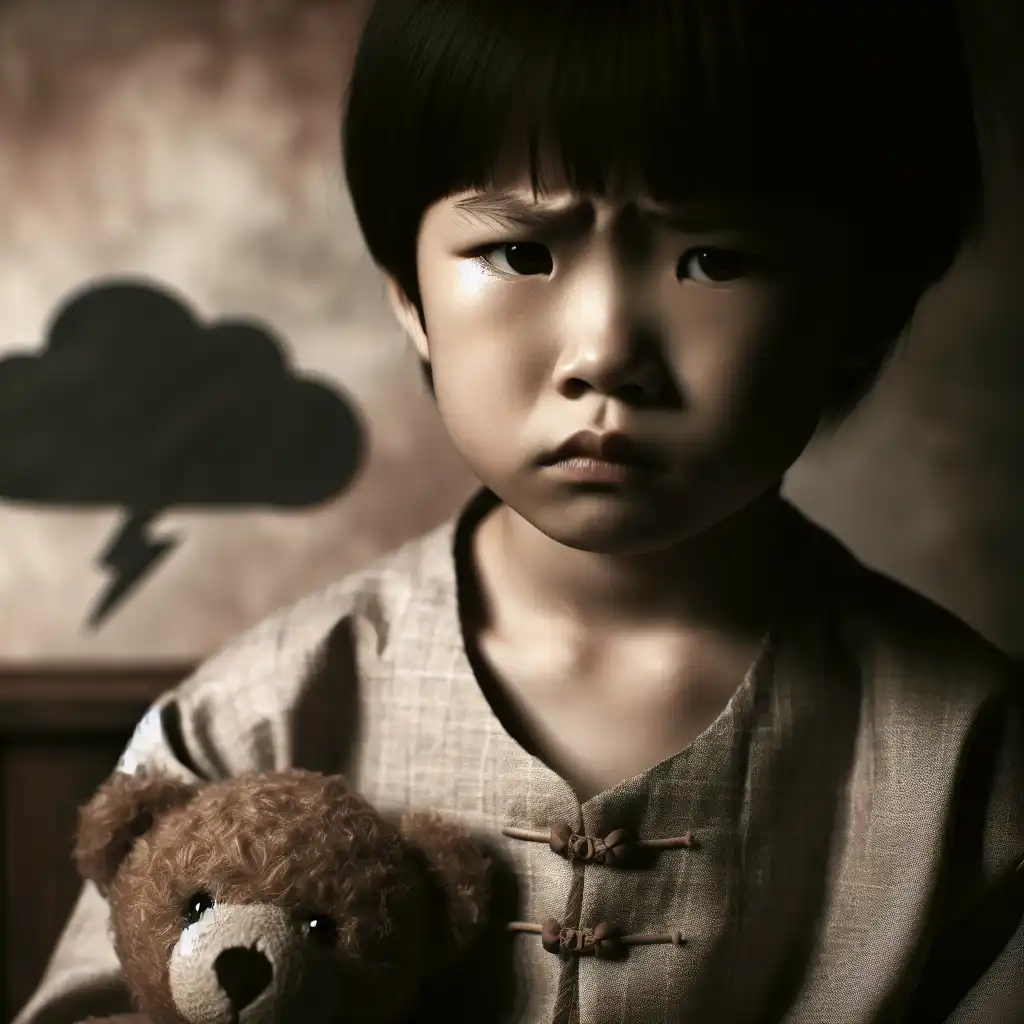
A tendency to become easily annoyed or upset
Childhood moodiness can sometimes be a sign of a more serious problem.
오디오를 불러오지 못했어요. 잠시 후 다시 시도해 주세요.
Moodiness refers to a person who changes their mood quickly and unpredictably. It is used to describe someone who is often grumpy, irritable or easily upset. You might use the word moodiness if you are describing a friend who has been acting moody lately or if you feel like someone's sudden change in personality is confusing or frustrating to deal with.
Despondency refers to a state of feeling extremely discouraged and hopeless. It's when someone feels like they have no hope and nothing to look forward to.
This is often caused by challenges that seem insurmountable, such as losing a job or a loved one. Despondency is a more severe form of being unhappy, and someone experiencing this might feel like they can't pull themselves out of it.
Despondency is a feeling of hopelessness, while moodiness is more of an unstable emotional state. Despondency is applicable when something major has happened that has caused someone to lose all hope, while moodiness is applicable when someone is in a generally irritable or unpredictable emotional state.
단어 열기: Despondency →Gloominess refers to a feeling of darkness or sadness, often related to the weather or a negative situation. It is a temporary state of mind and can be experienced by anyone.
For example, a cloudy day can bring about gloominess.
Both words describe negative emotions, but gloominess is a temporary state while moodiness is a lasting trait.
단어 열기: Gloominess →Irritability is a tendency to get easily annoyed or frustrated, often as a result of external stimuli such as loud noises or unpleasant interactions with others.
While both terms can be applied to describe negative emotional states, irritability tends to be more specific to short-term reactions to external circumstances, while moodiness implies a more ongoing pattern of emotional variability.
단어 열기: Irritability →Languor refers to a feeling of tiredness or weakness, usually because of physical or mental exertion. It is applicable when someone feels fatigued or lethargic after a long day of work or study.
Languor is related to physical tiredness, while moodiness is related to emotional fluctuations.
단어 열기: Languor →Melancholy refers to a state of sadness that is often long-lasting and difficult to lift.
Melancholy can be brought on by a variety of factors, such as loneliness, loss, or a sense of disconnection from the world.
The two terms are different in that melancholy is a specific form of sadness, while moodiness is a broader term that encompasses a range of emotions.
Melancholy is more long-lasting and difficult to shake, while moodiness may come and go more easily.
Both terms can be applicable in different situations, depending on the context. Melancholy may be used to describe a person who is experiencing a deep and lasting sense of sadness or grief, while moodiness may be used to describe a person who is prone to sudden shifts in their emotional state.
단어 열기: Melancholy →Pessimism refers to a tendency to see the negative aspects of situations, assume the worst possible outcome, and have a generally negative outlook on life.
Pessimism is applicable to a person's worldview and can be influenced by their past experiences, values, and beliefs.
Moodiness refers to a person's emotional behavior, and pessimism refers to a person's worldview.
단어 열기: Pessimism →It is a general trait that can apply to a person's overall personality. Sulk specifically refers to being silent, withdrawn, and moody as a result of feeling angry, disappointed, or upset about something in particular.
It is a behavior that is temporary and often a reaction to a specific situation or event. For example, someone who is generally moody may have unpredictable changes in their emotional state throughout the day, while someone who is sulking may be upset and withdrawn after not getting invited to a party.
단어 열기: Sulk →Temperament refers to a person's overall disposition or personality traits, such as being introverted or extroverted, outgoing or shy.
It is a long-term characteristic of a person that remains stable over time. For example, if someone is described as having a calm temperament, it means they tend to remain cool and collected in different situations.
Moodiness refers to short-term changes in emotions, while temperament refers to a person's long-term personality traits.
단어 열기: Temperament →Why school should start...
YouTube에서 보기 ↗Few friendships could survive the moodiness of love affairs.
There's only one thing harder than living in a home with an adolescent - and that's being an adolescent. The moodiness, the volatility, the wholesale lack of impulse control, all would be close to clinical conditions if they occurred at another point in life. In adolescence, they're just part of the behavioral portfolio.
I would be pleased if someone would invent a pill to remove my impatience, moodiness, and occasional bursts of anger. But if they did, I wouldn't be able to write my novels or paint.
Hot, dry katabatic winds, like the south foehn in Europe, the sharav in the Middle East, and the Santa Ana of Southern California, are all believed to have a decided effect on human behavior and are associated with such health problems as migraines, depression, lethargy, and moodiness. Some scientists say that this is a myth.