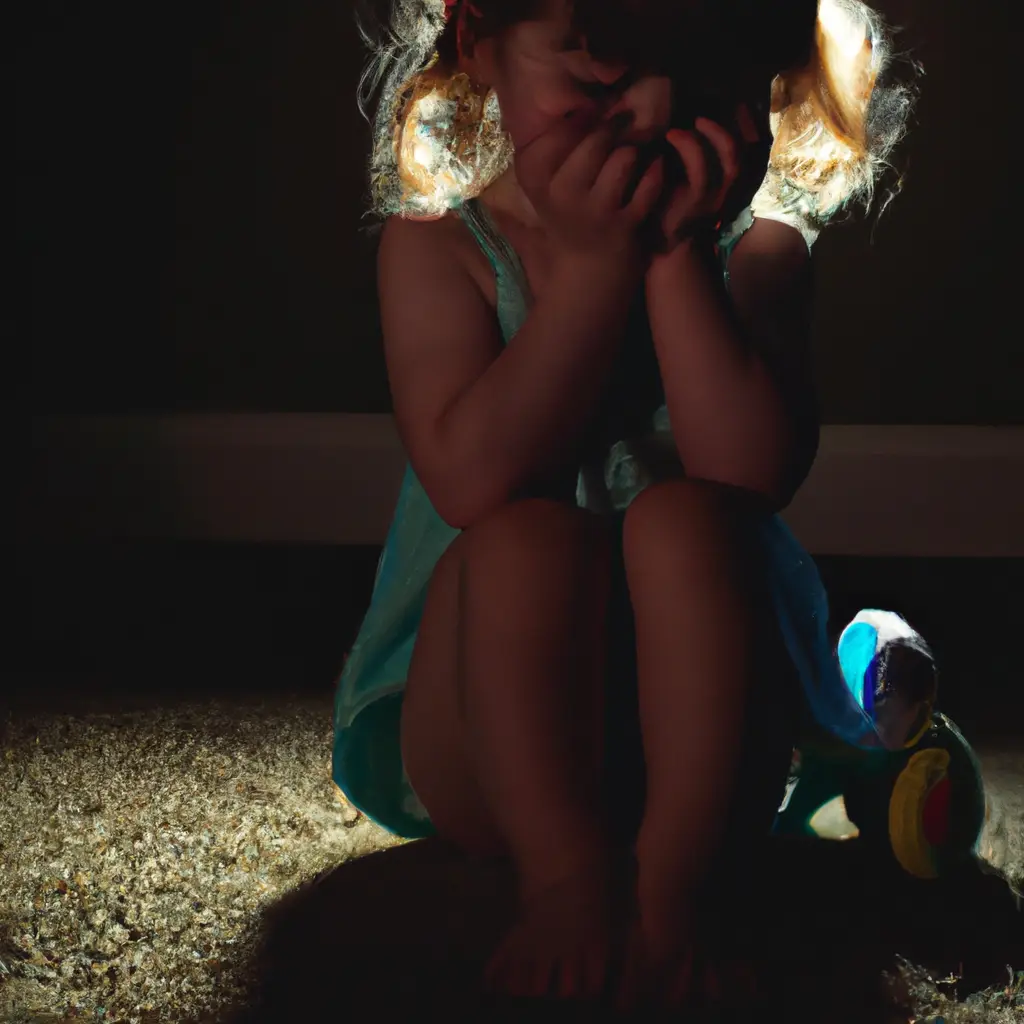
whimper
verb whimper
ˈwɪmpər
To cry quietly and weakly, especially because of pain or sadness.
The injured dog was whimpering in pain.
whimper
ˈwɪmpər
Cargando…
ˈwɪmpər
To cry quietly and weakly, especially because of pain or sadness.
The injured dog was whimpering in pain.

ˈwɪmpər
A quiet and weak cry, especially because of pain or sadness.
She let out a small whimper as the doctor gave her the shot.

ˈwɪmpər
To complain or protest in a weak and annoying way.
He whimpered about having to get up early.

ˈwɪmpər
A complaint or protest that is weak and annoying.
I ignored his whimpers and carried on with the task.
No se pudo cargar el audio. Inténtalo de nuevo más tarde.
The word 'whimper' is a verb that is often used to describe crying or making a soft, sad sound like a puppy or small child might make. You could use it to say "The puppy whimpered when its owner left the room" or "She couldn't help but whimper when she heard the sad news." It's a way to describe a quiet, somewhat pitiful cry or complaint.
Blubber refers to a loud, unrestrained crying or sobbing, often accompanied by sounds of gasping or sniffling.
Blubber would be more applicable to situations where someone is crying very hard and loudly, like after a breakup or when severely upset.
Abrir palabra: Blubber →Both cry and whimper are related to making sounds while expressing emotions, especially sadness or distress.
Cry is a general term used for a louder and more intense expression of emotions. It involves shedding tears and wailing loudly.
For example, a person may cry when they get hurt, receive bad news, or are overwhelmed by emotions.
Whimper is a quieter and less intense expression of emotions. It involves making soft sounds while crying, typically in short intervals.
To sum up, cry is applicable when a person wants to express intense emotions, while whimper is applicable when a person wants to express mild or subdued emotions.
Abrir palabra: Cry →Keen means having a strong interest or enthusiasm for something. For example, someone might say they are keen on playing basketball or keen on learning a new language.
Keen is applicable when talking about one's interests or passions, while whimper is applicable when talking about sounds made in response to pain or sadness.
Abrir palabra: Keen →Moan generally refers to a louder and more prolonged sound made by someone in pain or discomfort.
Both words can describe sounds made by humans or animals, but they are typically used in different contexts. Moan is more commonly used to describe sounds related to physical pain or pleasure, while whimper is more commonly used to describe sounds related to emotional distress.
Abrir palabra: Moan →A plaint is a more formal and serious expression of dissatisfaction or sadness, often used in legal or formal contexts. It is a strong complaint or lamentation.
A plaint could be used in a legal situation where someone is making a serious complaint about something, while a whimper might be used to describe a dog who is softly whining because they miss their owner.
Abrir palabra: Plaint →Snivel typically relates to behavior that involves complaining or whining. It's often used to describe someone who is being overly emotional and showing a lot of self-pity.
This complaining and whining can be about anything and can be continuous. Snivel often describes a cry that is fake or unauthentic.
So, while both snivel and whimper refer to crying, whimper describes the sound of someone crying, usually softly or in a pitiable way.
Snivel is used to denote an unpleasant quality of someone’s crying, usually pointing to insincere or self-pitying behavior.
Abrir palabra: Snivel →Both sob and whimper refer to sounds that someone makes when they are crying.
However, sob implies a deeper, more intense cry that often involves shaking or heaving of the chest.
If someone is sobbing, it means they are crying very deeply and intensely, often because something very sad or emotional has happened.
Abrir palabra: Sob →A wail is a loud, mournful cry usually expressing grief, pain or sadness. It is a very emotional and intense cry.
A whimper is a quiet, soft cry usually expressing fear, weakness or reluctance. It is a low and subdued cry that may not convey as much intensity or emotion as a wail.
Wail is a loud, mournful cry, while whimper is a quiet, soft cry, and each is applicable in different emotional situations.
Abrir palabra: Wail →Whine means to make a high-pitched, annoying sound.
This word is usually associated with complaining or annoyance. For example, a person might whine about having to do chores or a child might whine to their parents about not getting what they want.
Whimper describes soft crying or sobbing while whine describes a high-pitched, annoying sound made by someone who is complaining.
Abrir palabra: Whine →it here Vargas crying and whimpering him Michelle had landed right beside him his head was at my shoulder when I put this tourniquet around him and I could see his like shredded I said I knew I couldn't cope with that
Ver en YouTube ↗This is the way the world ends, not with a bang, but a whimper.
Her mouth fell into my mouth like a summer snow like a 5th season like a fresh Eden, like Eden when Eve made God whimper with the liquid tilt of her hips— her kiss hurt like that—
Ver en YouTube ↗Drama is very important in life: You have to come on with a bang. You never want to go out with a whimper. Everything can have drama if it's done right. Even a pancake.
where to go, how fast to get there. If you haven't been cursed out by my mother you haven't lived. The person would be on the floor, writhing in utter decay and decomposition, whimpering in a pool of racial shame.
Ver en YouTube ↗You don't make progress by standing on the sidelines, whimpering and complaining. You make progress by implementing ideas.
What people resent, in sport, is if you go out with a whimper.
What I find cool about being a banned author is this: I'm writing books that evoke a reaction, books that, if dropped in a lake, go down not with a whimper but a splash.
Governments usually end not with a bang but with a whimper, as the Conservatives learned in the 1990s. Support and authority erodes over time until there is a final collapse of support and pivotal electoral shift.
So I'll be honest, after the whole Rusev Day thing ended with more of a whimper than a bang, it was a little disheartening.
Tyranny is increasingly unsustainable in this post-cold-war era. It is doomed to failure. But it must be prodded to exit the stage with a whimper - not the bang that extremists long for.
The moment I finish 'any' book, my feels are pretty much the same. Goes a little something like this: It's done? Whimper. Tears of joy. Oh, my back. Relief! Shower! Food! Sleep! Oh, my back. You mean I get to catch up on my favorite TV shows? Tears of joy. Oh, my back.
History may someday record that the Arab awakening that began with the Arab revolt of 1916 against the Ottomans ended about a century later with a whimper.