texture
noun texture
ˈtekstʃər
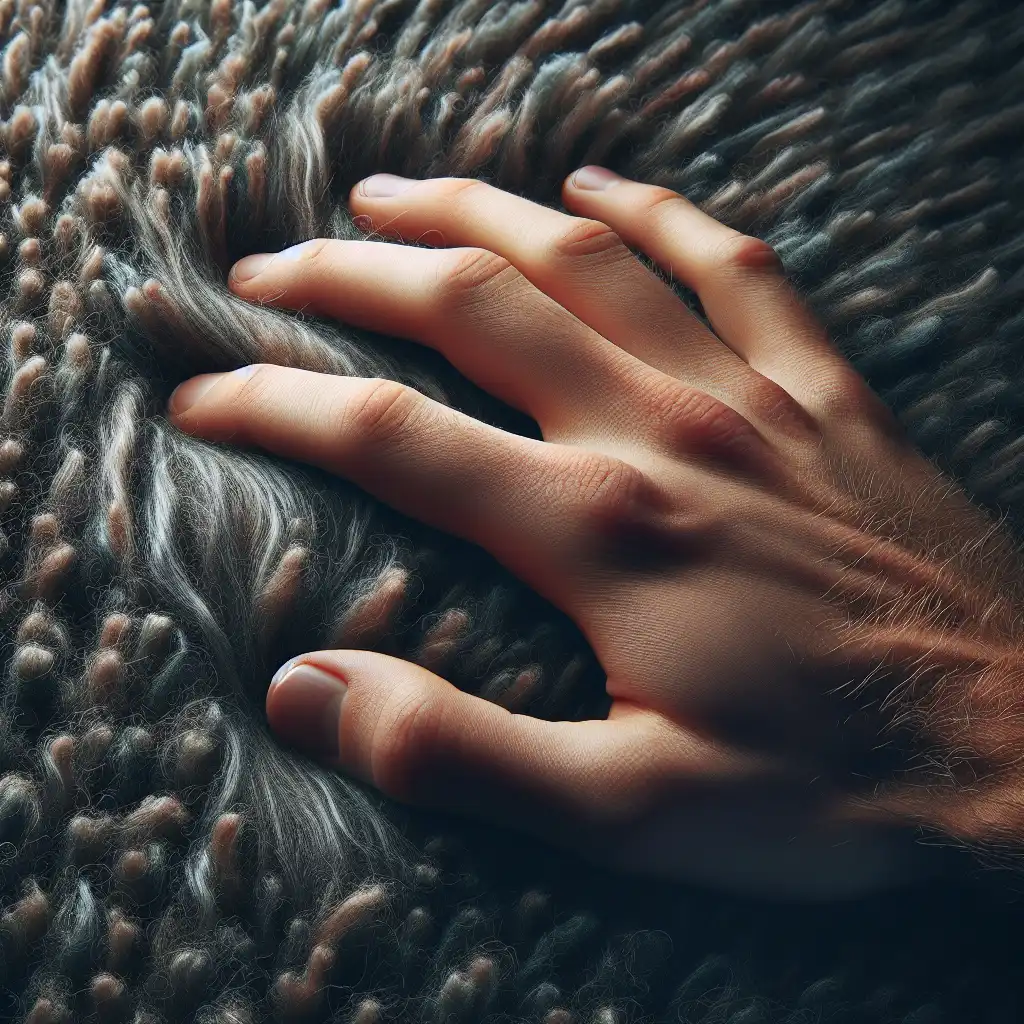
The way a surface or material feels when you touch it.
The texture of the carpet is rough.
texture
ˈtekstʃər
Chargement…
ˈtekstʃər
The way a surface or material feels when you touch it.
The texture of the carpet is rough.
ˈtekstʃər
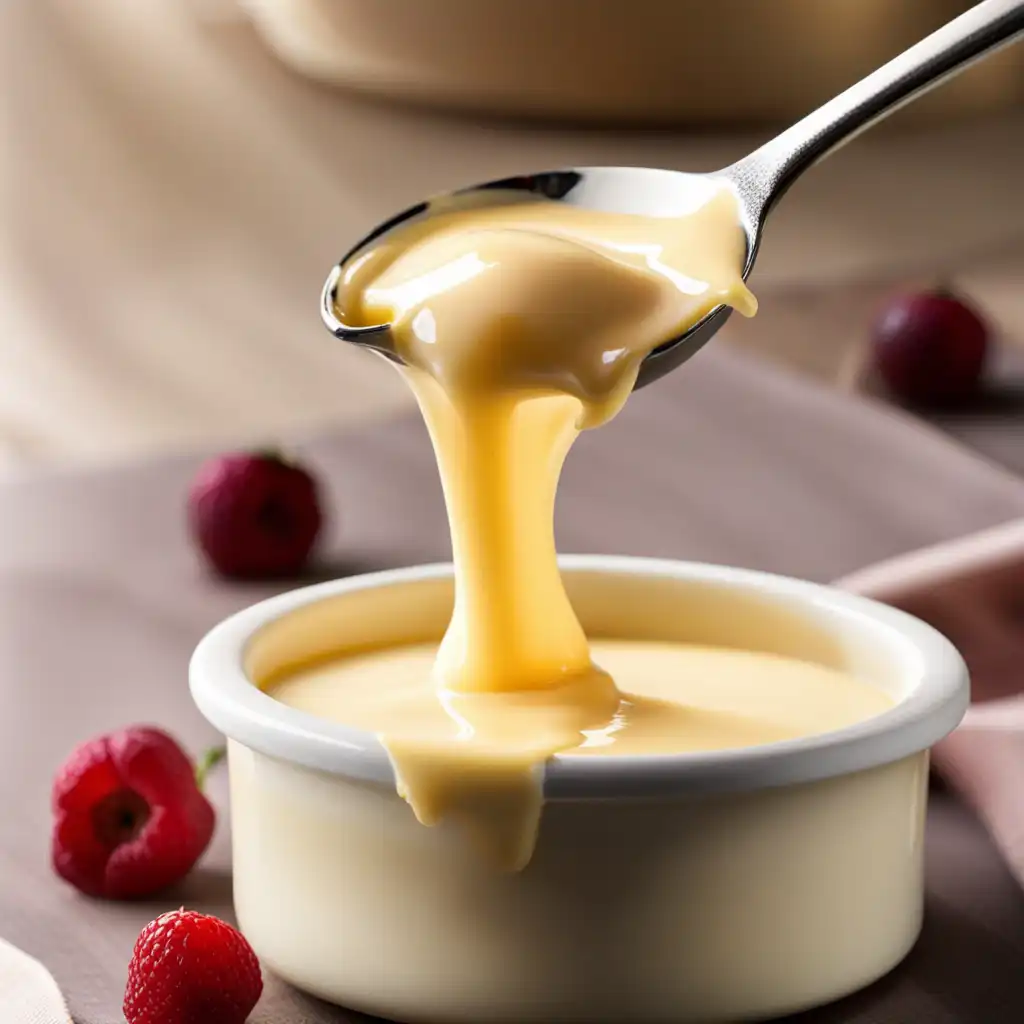
The way food feels in your mouth.
The texture of the pudding is smooth and creamy.
ˈtekstʃər
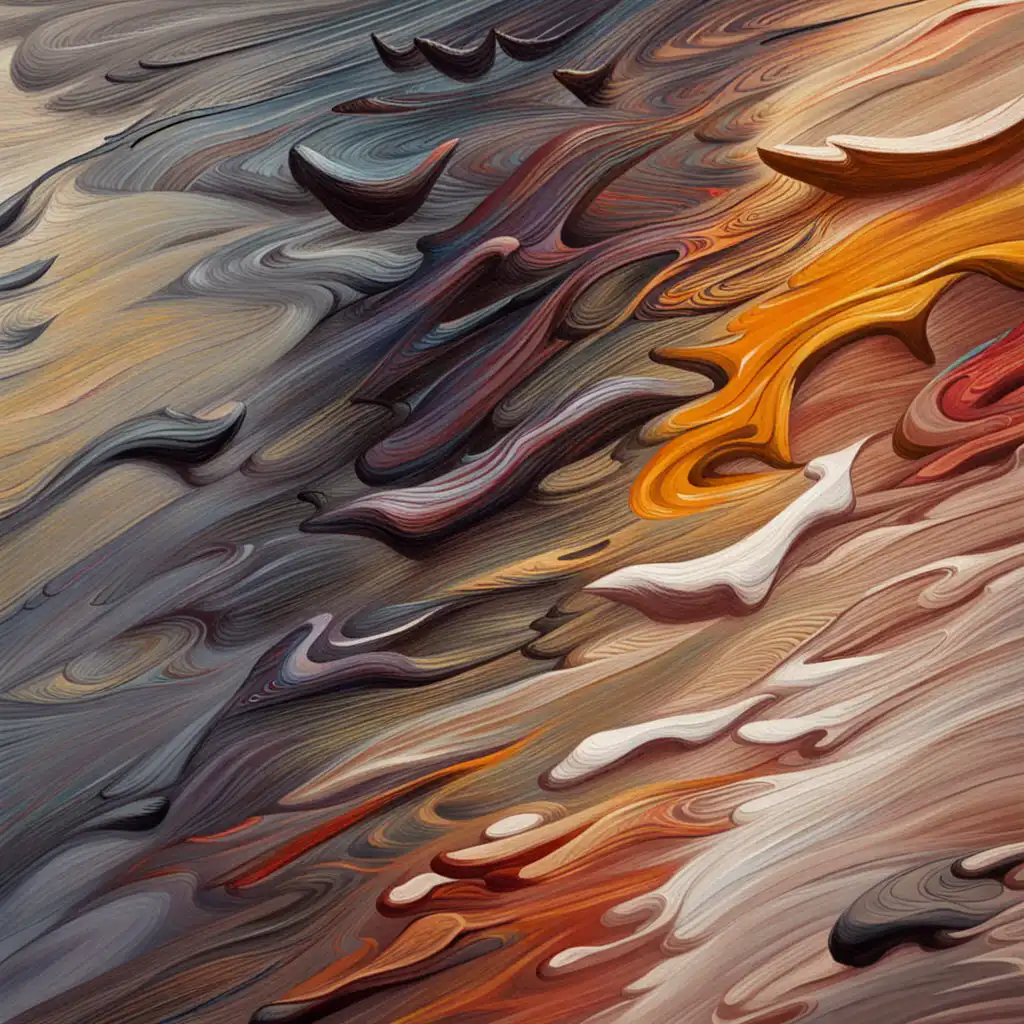
The way something is made or put together.
The texture of the painting is visible due to the thick brush strokes.
ˈtekstʃər
The way elements are combined in a piece of music or literature.
The texture of the symphony is complex with multiple layered melodies.
Impossible de charger l’audio. Réessayez plus tard.
Texture refers to the way a surface or material feels when touched. For example, a rough surface may have a bumpy texture while a smooth surface may have a silky texture. We often use the word 'texture' to describe food as well, where it refers to the way the food feels in our mouth while we eat it. So, if you are describing something that you can feel, whether it's a surface or food, you can use the word 'texture' to describe it.
Coarseness refers to the roughness of a surface, while texture refers to the overall feel or appearance of a surface.
Coarseness is more specific and describes how big or small the particles on the surface are. For example, sandpaper has a coarse texture because its particles are large and rough.
Coarseness can be felt physically and is often used in describing the feel of fabrics.
Coarseness is more about the physical characteristics of a surface, while texture describes the overall look and feel of a surface.
Ouvrir le mot: Coarseness →Consistency refers to the thickness or fluidity of a substance, while texture refers to the way a surface feels or looks.
Consistency applies to substances like liquids or pastes, whereas texture applies to the surface of objects or materials, such as fabrics or food.
For example, milk may have a consistent thin liquid consistency, while bread may have a rough texture due to its crust.
Ouvrir le mot: Consistency →Firm refers to the stiffness or solidity of an object or material. It describes how something holds together and how resistant it is to pressure.
For example, a firm piece of tofu would retain its shape when pressed.
Firm describes the physical properties of an object or material, while texture describes its surface quality.
Ouvrir le mot: Firm →Grain refers to the natural pattern or direction of fibers in a material, like wood or fabric. Texture refers to the physical feel or surface quality of a material.
For example, a piece of wood may have a fine or coarse grain, but it could also have a smooth or rough texture. Grain is applicable when talking about the natural structure of materials, while texture is applicable when discussing the tactile sensation of materials.
Ouvrir le mot: Grain →Rough refers to a surface that is uneven or not smooth to the touch.
It can describe something that is smooth or rough, but it can also describe something that is soft, bumpy, or has a specific pattern or shape.
Both words can be applicable in different contexts. For example, when describing the surface of a wall, rough may be used to describe a surface that is uneven or not smooth, while texture may be used to describe a surface that has a particular pattern, such as being made of brick or having a stucco finish.
Rough describes a certain sensation while texture describes a certain appearance.
Ouvrir le mot: Rough →Smooth describes something that is very even and flat with no roughness or bumps.
Texture describes the physical feel or appearance of a surface, often referring to its roughness or smoothness.
Smooth describes surfaces that are flat and uniform, while texture describes surfaces that are rough or bumpy.
Ouvrir le mot: Smooth →Soft refers to how something feels when you touch it, like a pillow or a baby's skin. It describes the level of firmness or hardness of an object.
Both words can be used when describing how things feel, but soft is more about how easily something can be pressed or moved, while texture is more about the surface characteristics of something.
For example, a fluffy blanket can be described as soft, while a carpet can be described as having a rough texture.
Ouvrir le mot: Soft →Texture refers to the physical feel or appearance of a surface or material, while thick refers to the measure of how much space an object takes up in terms of depth or width.
Texture can be applied to things like fabrics or foods, while thick is more commonly used when describing liquids or objects with physical substance.
For example, a milkshake could be described as thick because it has a dense consistency, while a piece of fabric could be described as having a rough texture due to its coarse feel.
Ouvrir le mot: Thick →like hyaluronic acid and lubricin. Synovial fluid is more or less the texture of egg yolk and its primary purpose is to cushion the bones and help them glide past each other. It also contains phagocytic cells
Voir sur YouTube ↗I'm never afraid of pattern or texture.
looking at the world turn beside you. It's roaring silently with color and texture as it pours by mesmerizingly next to you. And if you can tear your eyes away from that and you look under your arm down at the rest of everything,
Voir sur YouTube ↗Finger foods can help little ones to explore food at their own pace. They are also great for helping them to develop hand-eye coordination and encouraging them to try out a variety of textures.
Look at the juice. The color of the juice. That's the right texture. Can you cut that please? Is this a joke? Oh my lord. Oh my god. It's like putty. Why is this so-- a special rare delicacy when it stinks?
Voir sur YouTube ↗A good story, just like a good sentence, does more than one job at once. That's what literature is: a story that does more than tell a story, a story that manages to reflect in some way the multilayered texture of life itself.
it's a very specific concept she has of what's supposed to be going on here this ability to recognize shapes and textures helps explain her stage finale spelling out the word ham from the alphabet
Voir sur YouTube ↗It's nice to see different dimensions of a character. A love interest and family life are always, I think, important in creating layers and textures.
you just met tonight very important that they get along after we warm them up to each other and they get more friendly we're gonna grind them we're gonna use different pepper grinders and we're gonna coarsely grind and finely grind we want to achieve texture in that blend that we're gonna do so we grind them and
Voir sur YouTube ↗The guitar shouldn't be a main instrument, it should be a texture. It shouldn't be important whether it's there or not. If it's important to you whether a guitar is there or not, you're weird.
The one of the right is called TRANS, and you probably have heard of trans fats before. They don't go rancid, they're more stable during deep frying, and they can change the texture of foods in ways that other fats just can't. They're also terrible for your health, by far worse than saturated fat, even though technically they're a type
Voir sur YouTube ↗Coming out of university, one of my obsessions was that in the novels I was reading, they seemed to be portraying a world that had a social fabric. People knew each other in 'War and Peace.' They went to all the same balls. These were societies with tightly wound, woven, social textures.
They'd all hiked up the normal trail on the back, which I was planning on using for my descent. But between me and the summit lay a blank slab of granite. There were no cracks or edges to hold on to, just small ripples of texture up a slightly less than vertical wall. I had to trust my life to the friction between my climbing shoes
Voir sur YouTube ↗Everyone can write their melodies and chords and pianos and guitars, but what hasn't been discovered yet are tones and textures, and that's very exciting. Probably the No. 1 most important thing in my music is not to sound like anyone else.
This floor is made of glossy and durable bamboo skin. You can feel the texture under bare feet. And the floor that you walk on, can it affect the way that you walk? Can it change the footprint that you'll ultimately leave on the world?
Voir sur YouTube ↗As an actress, I think it's important to look back and realize that we aren't always quite as original as we think we are. There's this grand, textured history for us over the last 100 years of incredible writers, directors, and performers.
can help to preserve its original form and texture. Among many methods this group includes organisms that have been frozen, preserved in tar pits and mummified.
Voir sur YouTube ↗The true worth of a man is not to be found in man himself, but in the colours and textures that come alive in others.
all of life all of history. If we obey these laws, we can do amazing things. So in origami to obey these laws, we can take simple patterns -- like this repeating pattern of folds called textures -- and by itself it's nothing.
Voir sur YouTube ↗Artists are losing the choice to use film. People have a love for it - the grain, how it feels, the texture.