mummer
noun mummer
ˈmʌmər
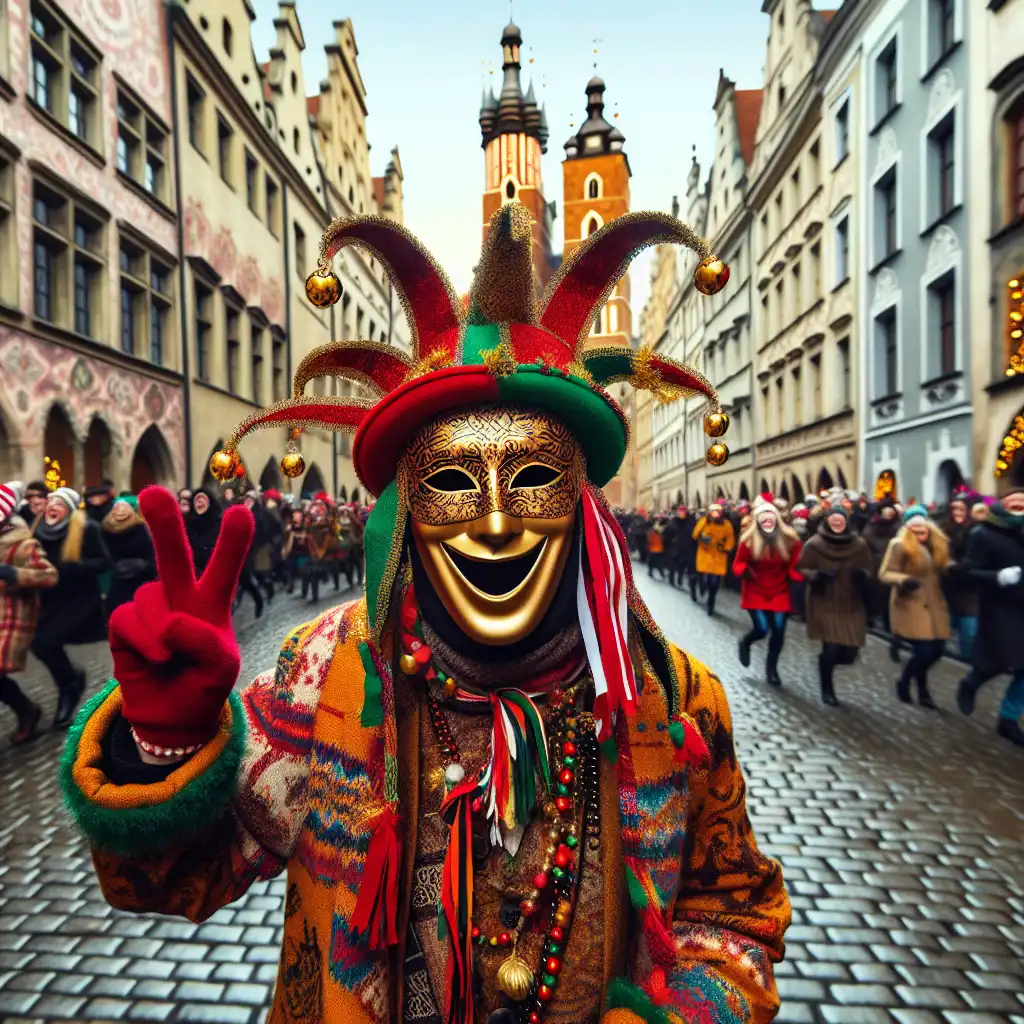
A person who wears a mask or disguise for fun, particularly during a festival or performance.
The streets were flooded with mummers celebrating the city's annual festival.
mummer
ˈmʌmər
Đang tải…
ˈmʌmər
A person who wears a mask or disguise for fun, particularly during a festival or performance.
The streets were flooded with mummers celebrating the city's annual festival.
ˈmʌmər
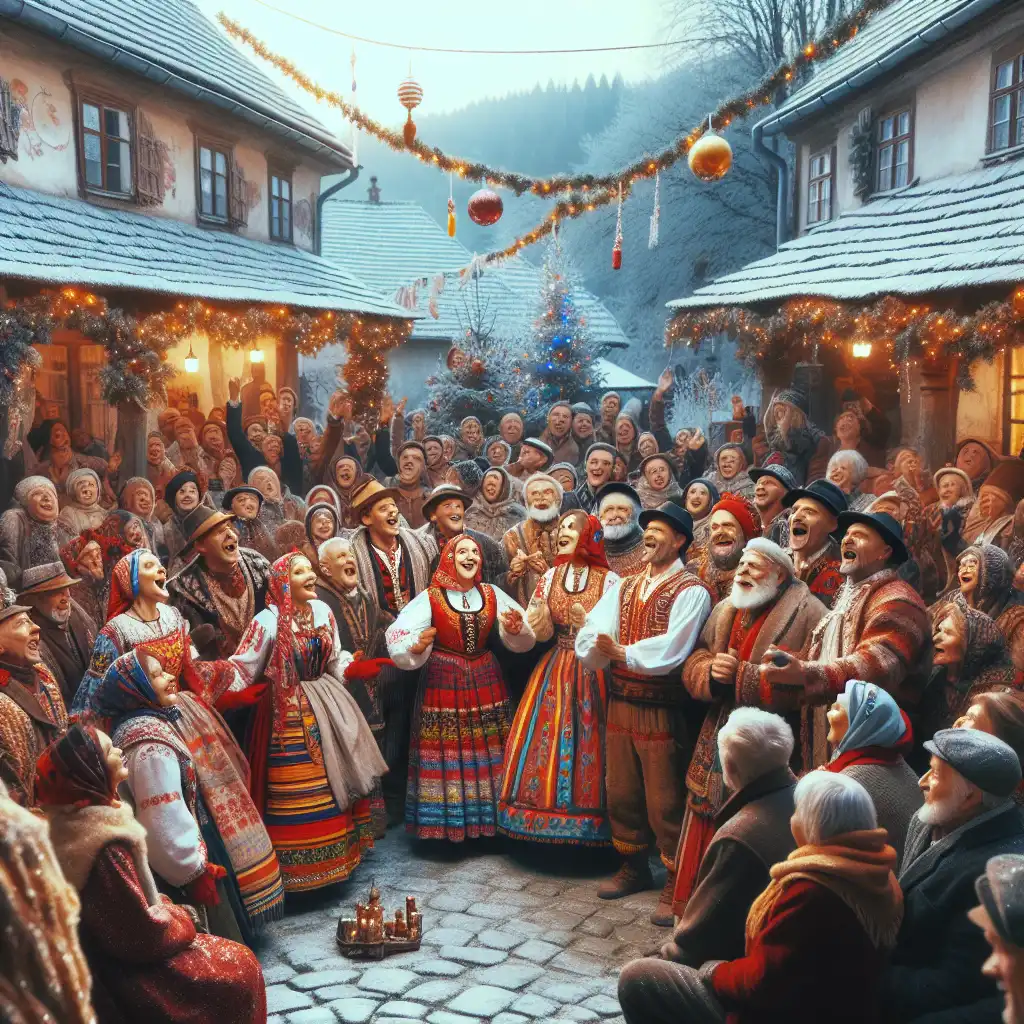
A member of a group who performs traditional folk plays in the streets and homes of towns and villages, particularly at Christmas and other festivals.
Every Christmas, the mummers put on a performance that is the highlight of the local festival.
Không tải được âm thanh. Vui lòng thử lại sau.
The word 'mummer' refers to a person who wears a mask or costume and performs in a traditional play, often during a festival or celebration. In some parts of England, it is a custom to go door-to-door in disguise during the Christmas season, where people would often perform short plays or songs with a group of mummers. The word is not commonly used in everyday language but may be encountered in literature, history or during discussions about traditional customs and folk traditions.
An actor is a person who performs a role in a theater, film or television production. They usually have formal training and work in professional productions.
An actor is a professional performer who works in mainstream productions, while a mummer is a type of performer associated with more traditional or cultural forms of entertainment.
Mở từ: Actor →A buffoon is a person who behaves in a silly or ridiculous way in order to make people laugh. They are often described as foolish, clumsy, or uncouth.
Buffoons are commonly found in entertainment, such as in movies, television shows, or circuses. The term is negative and can imply a lack of intelligence or social grace.
A buffoon is a clownish and foolish person who seeks to entertain, while a mummer is a performer in traditional masked and costumed plays or festivities.
Buffoons are associated with comedy and entertainment, while mummers are associated with folklore and celebration.
Mở từ: Buffoon →A clown is a performer who wears bright clothes, a red nose, and paints their face with colorful makeup to make people laugh.
A clown is a funny performer who wears makeup and performs in a circus or at a party, while a mummer is a traditional performer who wears a mask or a costume and participates in a folk play usually performed around Christmas or New Year's Eve.
Mở từ: Clown →Entertain means to amuse or provide enjoyment to others.
It can refer to any form of activity or performance that people find entertaining, such as watching a movie, listening to music, or attending a concert.
Entertain means to amuse or provide enjoyment in any form, while mummer refers to a specific type of traditional cultural performance.
Mở từ: Entertain →Harlequin and mummer are both traditional characters in theatrical performances, but they come from different traditions.
Harlequin is a character from Italian comedies, known for his colorful costume with diamond shapes, acrobatic movements, and mischievous behavior.
Harlequin is often associated with the Commedia dell'Arte style of theater.
Harlequin is a specific character from Italian theater, known for acrobatics and comedy, while mummer is a more general term for characters from English folk traditions who perform in processions and plays.
Mở từ: Harlequin →An impersonator is someone who imitates or mimics another person's behavior, mannerisms, or appearance, typically for entertainment purposes.
While both impersonators and mummers involve performance and dressing up, they differ in their context and purpose. An impersonator is typically associated with contemporary entertainment, while mummers are part of a more traditional cultural form of celebration.
Mở từ: Impersonator →A jester is a person who entertains people with jokes, tricks, and foolishness. Jesters were historically employed by royal courts and nobles to provide entertainment.
A jester is a professional entertainer while a mummer is a performer who participates in a specific traditional folk play.
Mở từ: Jester →Mime refers to a form of performance art where actions and expressions are used to communicate a story or message without words.
Mime performances are typically silent, and the performer uses exaggerated facial expressions, gestures, and body language to convey meaning.
Mime is a form of silent performance art while mummer is a type of traditional play or performance that involves masks and costumes in rural areas of England and North America.
Mở từ: Mime →It is associated with British, Irish, and American folk culture. Performer, on the other hand, is a more general word that describes someone who acts, sings, dances, or otherwise entertains an audience.
It can be applied to a wide variety of contexts, including theater, music, television, film, and more. Mummer is a specific type of performer who participates in a particular style of traditional play, while performer is a broader term that can describe anyone who puts on a show.
Mở từ: Performer →