ravage
verb ravage
ˈrævɪdʒ
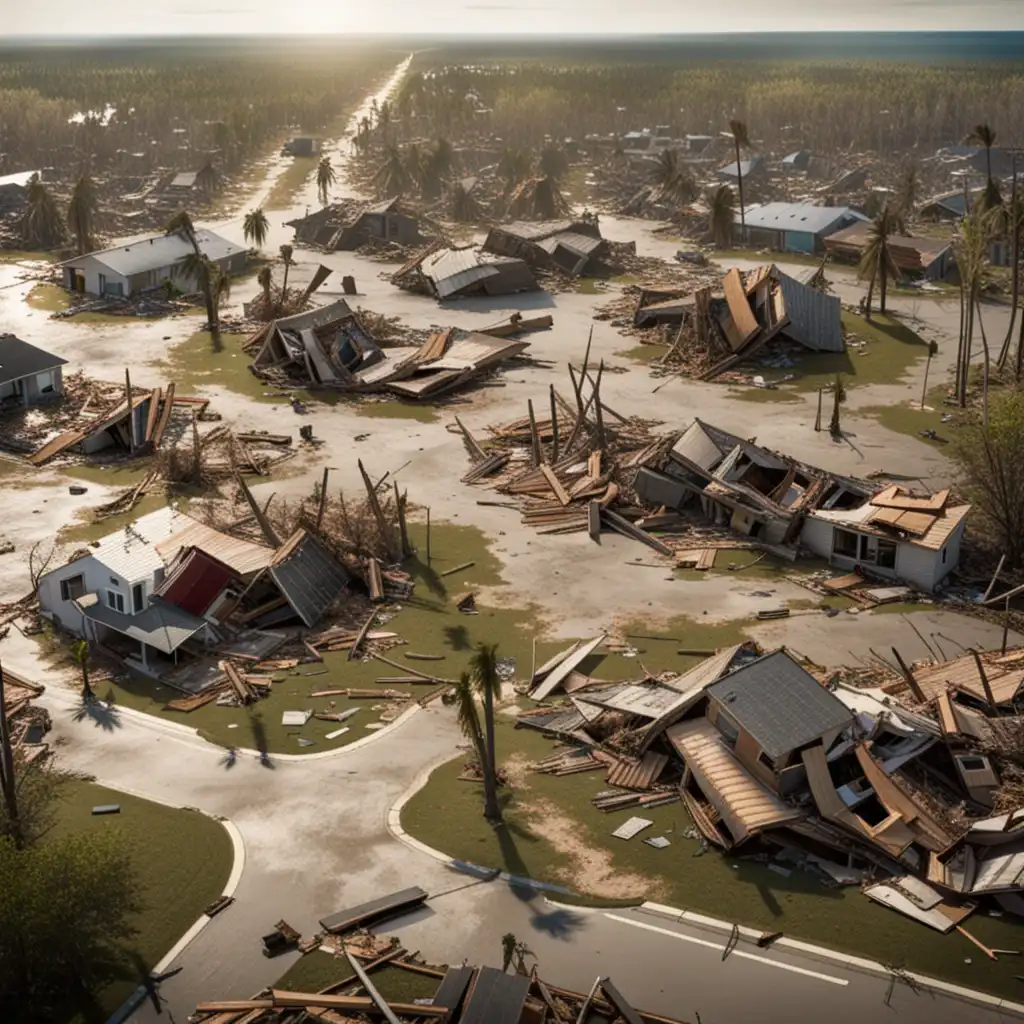
To severely damage or ruin something.
The hurricane ravaged the town, leaving nothing untouched.
ravage
ˈrævɪdʒ
Đang tải…
ˈrævɪdʒ
To severely damage or ruin something.
The hurricane ravaged the town, leaving nothing untouched.
ˈrævɪdʒ
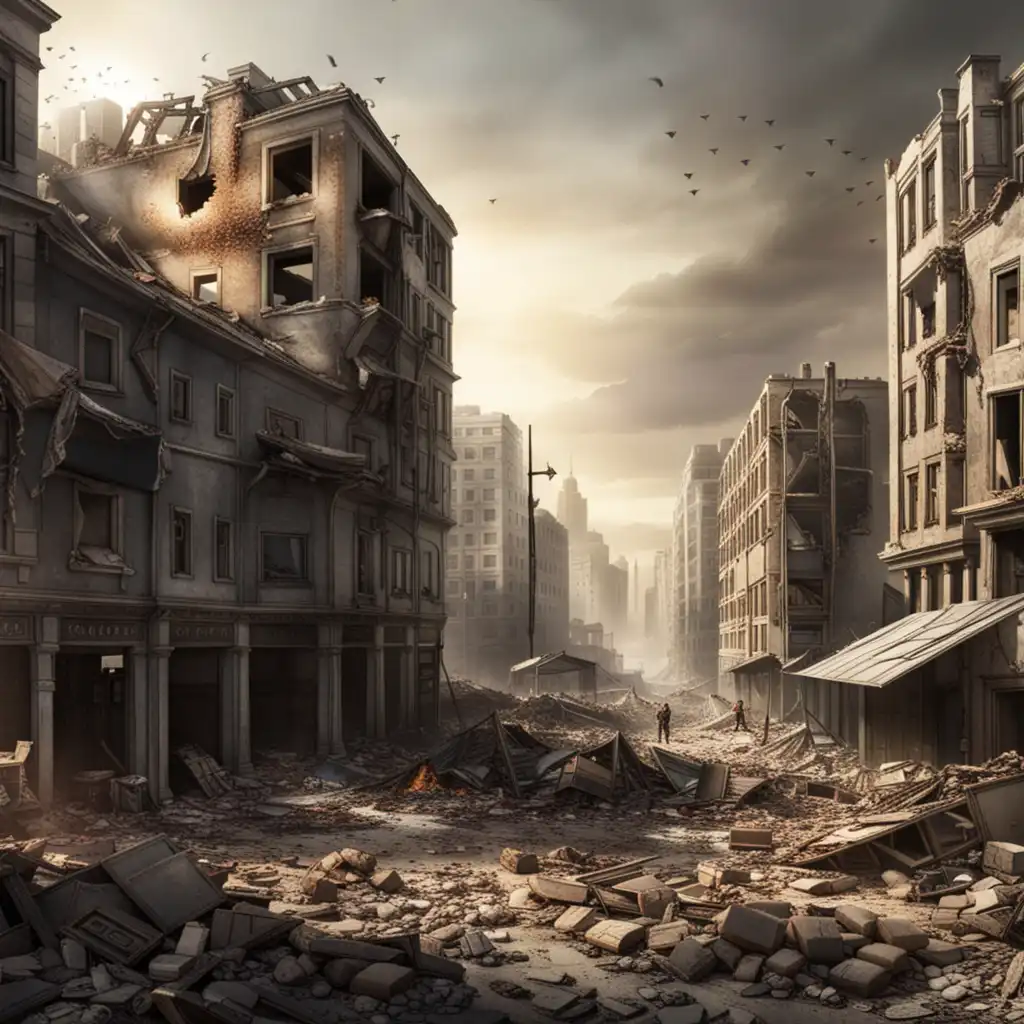
Destructive damage or severe destruction
The war left a ravage that took years to rebuild.
Không tải được âm thanh. Vui lòng thử lại sau.
'Ravage' means to cause severe damage, destruction, or devastation to something. It is often used in the context of a natural disaster, such as a hurricane or earthquake, where the impact is so significant that it ruins buildings, property, and entire communities. You might also use the word 'ravage' to describe the impact of war or conflict, where violence and destruction have left a place or people completely devastated. In everyday conversation, you may use 'ravage' to describe a situation that has caused significant harm or destruction, even if it is not on the scale of a natural disaster or conflict.
Demolish refers to destroying a building or structure completely.
So while demolish is typically used to describe the purposeful destruction of a specific building or structure, ravage is more likely to be used to describe widespread damage that has occurred due to some uncontrollable event or force.
Mở từ: Demolish →Desolate means something that is empty, barren, and devoid of life or inhabitants. It's often used to describe a place that is abandoned or unpopulated, such as a ghost town or a deserted island.
In essence, the main difference between the two is that desolate describes something that has been left alone or neglected, whereas ravage describes something that has been actively destroyed or damaged.
Mở từ: Desolate →Destroy means to completely ruin or demolish something, such as tearing down a building or breaking a piece of furniture beyond repair.
Ravage, on the other hand, means to cause extensive damage or destruction to something, but not necessarily to completely destroy it.
Destroy suggests complete ruin, while ravage implies widespread damage or destruction. Both can describe violent or destructive actions, but each connotes a slightly different degree of damage.
Mở từ: Destroy →Both devastate and ravage mean to cause severe damage or destruction.
However, devastate is often used when talking about emotional or psychological damage. For example, a family may be devastated by the loss of a loved one.
So to sum it up, devastate describes emotional or psychological damage, while ravage describes physical destruction.
Mở từ: Devastate →Pillage and ravage have similar meanings but are used differently in different contexts.
Pillage refers to the act of looting or stealing, especially during a war or conflict. For example, soldiers might pillage a village by taking anything of value, including food, livestock, and household items.
Pillage describes the act of taking things by force, while ravage describes the damage caused by a force.
Mở từ: Pillage →Plunder and ravage are both verbs that involve taking, stealing, or destroying something.
Plunder is usually used when people steal or take something valuable, such as money, jewelry, or artwork, usually by force or without permission.
For example, during a war, soldiers might plunder a village, taking anything of value they can find.
Plunder refers to stealing or taking something valuable, while ravage refers to the destruction or damage caused by natural forces or violence.
Mở từ: Plunder →Ransack means to search thoroughly and messily for something, usually for a valuable item or information. For example, if someone ransacks a room, they will go through everything in the room and make a mess searching for something.
To summarize, ransack is used when someone is searching for something, while ravage is used when describing the destruction of an object or location.
Mở từ: Ransack →Ruin refers to the destruction of a building or a thing caused by neglect, decay, or lack of maintenance over time.
Ruin is often a slow process compared to ravage.
For example, "The abandoned building had fallen into ruin due to years of neglect".
Mở từ: Ruin →Chris Burkard: The joy...
Xem trên YouTube ↗Violence ravaged my life. I was a victim of hatred, and I have dedicated my life to reversing that hatred.
Why bats don't get sick...
Xem trên YouTube ↗With continued prayer and an equally-determined commitment to action for needed anti-violence reforms, let us resolve to work toward a new era in which every American child and every adult are protected from the ravages of brutality, safe and secure in our homes and schools and communities.
Mountain Gorillas'...
Xem trên YouTube ↗With external help, even the countries ravaged by World War II recovered.
The Northern Lights...
Xem trên YouTube ↗We can know nothing till after this grave debate. The soul must withdraw, for this is not its hour. Now the knife must divide the flesh, and lay the ravage bare, and do its work completely.
How fire shapes...
Xem trên YouTube ↗We must remain committed to rebuilding communities ravaged by genocide. Survivors deserve a safe and secure pathway home or safe passage elsewhere.
The gift and power of...
Xem trên YouTube ↗First love is ravaging - it just guts you in the most wonderful way, if you can see through it.
Color blind or color...
Xem trên YouTube ↗History shows that nations are more fragile than their citizens think. No nation in history has survived the ravages of time.
Bran Ferren: To create...
Xem trên YouTube ↗The work of the political activist inevitably involves a certain tension between the requirement that position be taken on current issues as they arise and the desire that one's contributions will somehow survive the ravages of time.
Misha Glenny: Hire the...
Xem trên YouTube ↗I grew up in the shadow of the Trujillato, saw how the regime had ravaged so many families.
Our treatment of HIV has...
Xem trên YouTube ↗The United Nations Children's Fund reports that more than 18 million children worldwide have lost both parents to the ravages of AIDS, starvation, war or natural disasters.