percussive
adjective percussive
pərˈkʌsɪv
Related to or causing a striking or hitting sound
The percussive sounds of the drums echoed through the room.
percussive
pərˈkʌsɪv
Chargement…
pərˈkʌsɪv
Related to or causing a striking or hitting sound
The percussive sounds of the drums echoed through the room.

pərˈkʌsɪv
Involving or producing rapid, hard beats or strokes
His percussive playing style was perfect for the rock song.
pərˈkʌsɪv
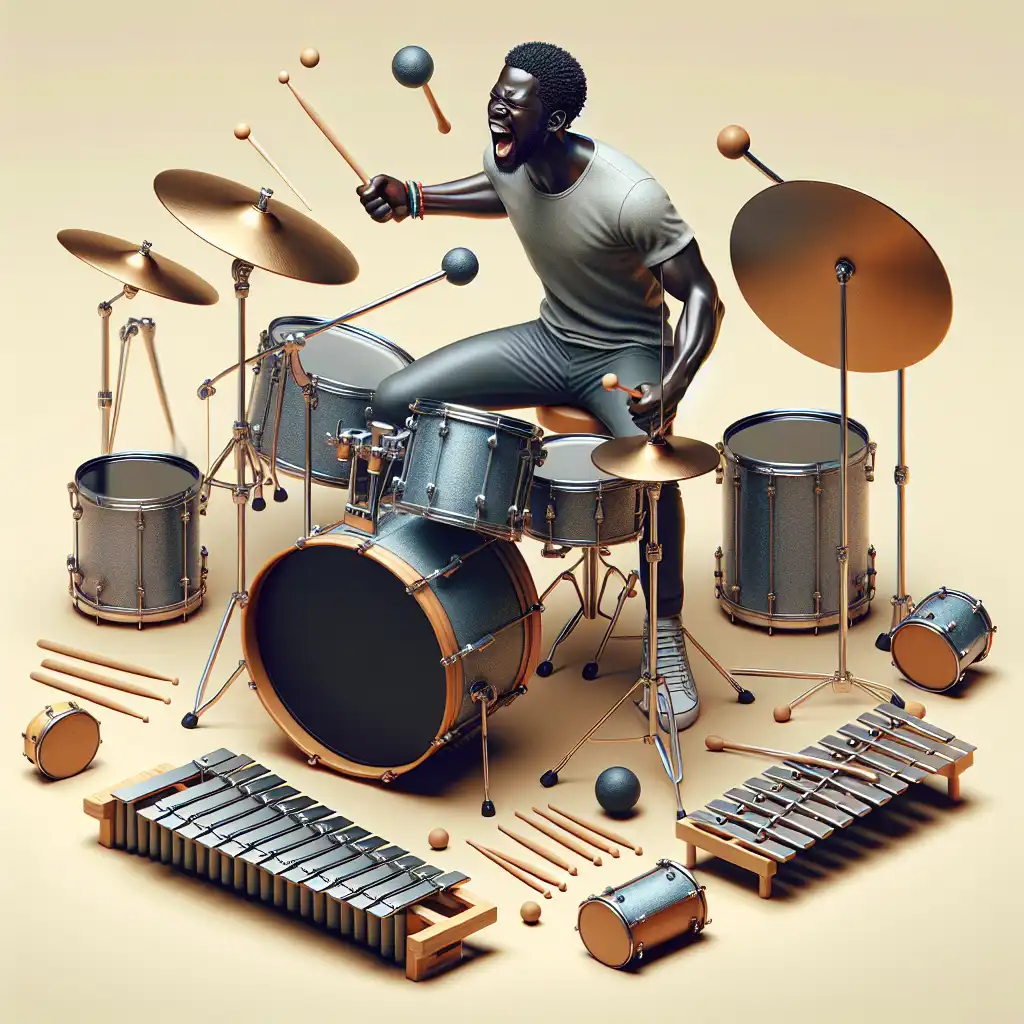
Belonging to the family of musical instruments (such as drums) that make sound when struck or shaken
He was an expert in playing percussive instruments like drums and xylophone.
pərˈkʌsɪv
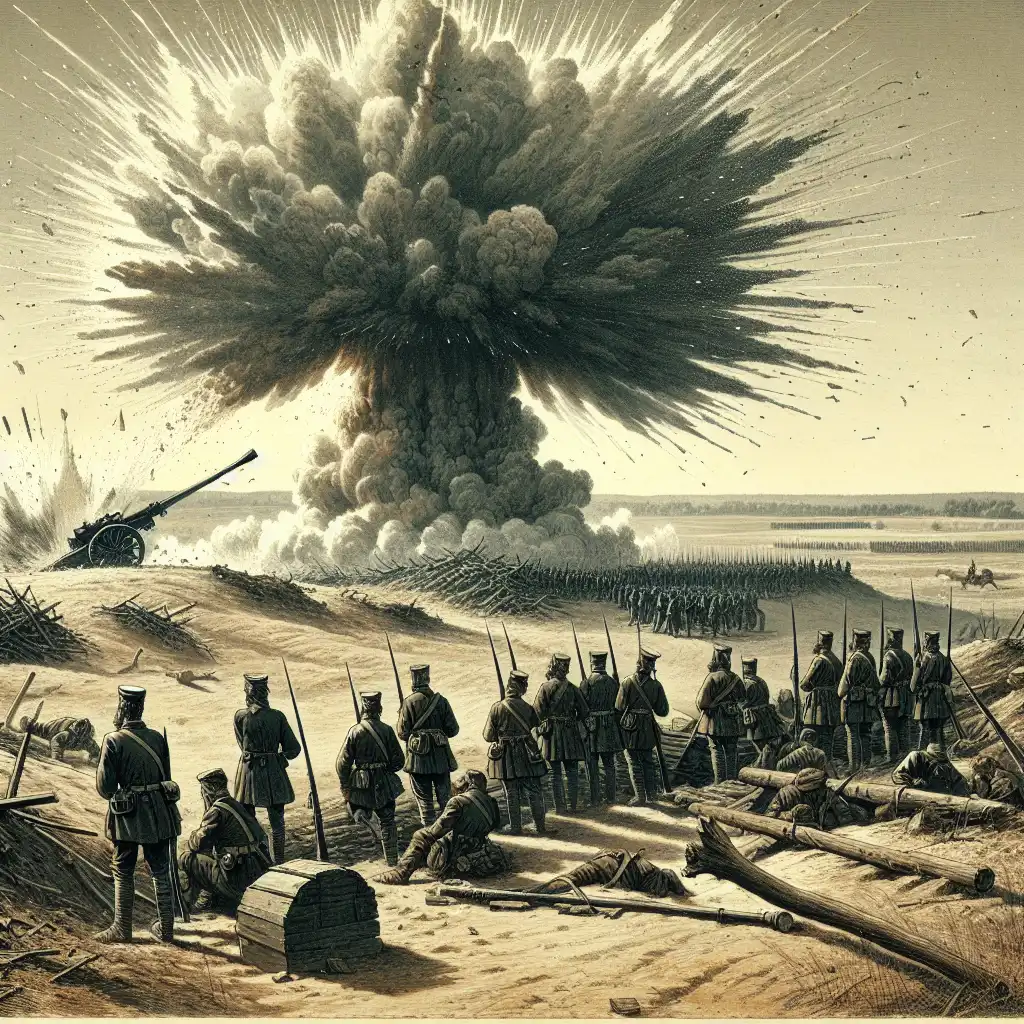
Pertaining to percussion, or material that explodes upon impact
The military used percussive bombs for targeted strikes.
Impossible de charger l’audio. Réessayez plus tard.
When we say something is "percussive", we mean it is making a sharp, loud sound like when a drum is hit. We can use it to describe sounds, rhythms, or music that has a strong, energetic beat. For example, a song with a lot of drumming and clapping might be called percussive. It can also be used to describe something that is forceful or impactful, like a percussive blast. Overall, percussive is a word that describes something that creates a loud and powerful impact, whether that be in sound or force.
Beatific means having a blissful appearance or expression, usually used to describe a person's face. It is applicable in situations where one wants to describe a happy and peaceful facial expression, often associated with spiritual or religious experiences.
Beatific describes a peaceful facial expression, while percussive describes a sharp sound.
Ouvrir le mot: Beatific →Explosive refers to something that produces a sudden and violent release of energy or force, like an explosion or a burst of fireworks.
Both terms can be used in music, for example, to describe the type of drumming used in a particular song. Explosive might be used to describe a sudden burst of energy in a rock song, while percussive might describe a more rhythmic and repetitive drumbeat in a dance tune.
Explosive is more often used to describe a sudden and dramatic event or impact, while percussive is more often used to describe a repetitive impact or sound.
Ouvrir le mot: Explosive →Forceful refers to something that is strong, powerful or intense.
It can describe a person's behavior or a situation where someone is using a lot of energy. For example, a forceful speech or a forceful push.
Forceful describes something that is strong or powerful, while percussive describes something that involves striking an object in a specific way, such as in music.
Ouvrir le mot: Forceful →Pound refers to a heavy, continuous beating or banging sound. It often implies a more forceful, intense sound than percussive, and can describe the sound of a hammer or heavy machinery.
Both words can describe sounds, but percussive is typically associated with music and rhythm, while pound is more often used to describe physical impact or force.
Ouvrir le mot: Pound →Percussive refers to sounds produced by striking objects, such as drums or cymbals. Rhythmic refers to a pattern of beats or musical notes that repeat in a regular manner.
Percussive can describe the sound of drums or other percussion instruments, while rhythmic can describe music or any sound that follows a pattern or beat.
For example, a drumbeat is both percussive (because it is produced by striking the drum) and rhythmic (because the beats repeat in a pattern).
Ouvrir le mot: Rhythmic →Percussive and staccato are both musical terms used to describe a certain type of sound.
Staccato refers to a musical style where notes are played in a short, sharp, and separated manner. This creates a bouncy or staccato effect that can make the music feel livelier and more upbeat.
Percussive refers to the type of sound, while staccato refers to the style of playing.
Percussive can describe any kind of sound produced by hitting or striking something, while staccato is a specific style used in music.
Ouvrir le mot: Staccato →Percussive is an adjective used to describe a sharp, loud sound produced by hitting or striking something with force. It usually refers to the sound itself rather than the action of striking.
For example, a drum is a percussive instrument because it produces sharp, rhythmic sounds when struck.
Strike is a verb and can describe the physical act of hitting or striking something.
It can also refer to the result of the striking, such as the sound produced or the damage caused. For example, a construction worker might strike a nail with a hammer to secure it into place.
Percussive describes a type of sound, while strike describes the physical act of hitting or the result of that action.
Ouvrir le mot: Strike →Thump refers to a heavy, muffled sound that is produced by something hitting or landing on a surface, like a book dropping onto a table or someone thumping their chest.
Percussive describes sharp, rhythmic sounds, while thump describes heavy, muffled sounds.
Ouvrir le mot: Thump →A tap dancer's craft -...
Voir sur YouTube ↗The most important thing is to make a percussive instrument a singing instrument. Teachers should stress this aspect in their instruction, but it seems that very few of them actually do.
Tap-dancing: A talk and...
Voir sur YouTube ↗Fosse would say that it's important to trust silence. He very much liked the use of the tacit, or silent, count, where nothing is happening. He also liked percussion. His is a world of angular movement and mystery, quiet, semi-taciturn and percussive.
Why we must stop dancing...
Voir sur YouTube ↗I approach playing acoustic guitar more of as a percussive instrument. It's fragile. I don't have a lot of finesse when it comes to my guitar playing.
The Strange and...
Voir sur YouTube ↗I love percussive instrumentation.
I have a sloppy style of playing guitar. A percussive style. Unique in fact.
One very important side of my playing lies in rhythm; I have a very percussive style. It's one I've developed with Dream Theater over the years, and requires the guitar to be very locked into the rhythm of the drums... way more than what would normally entail.
I think the way I play the guitar is very percussive. I play a lot of rhythm chops as though I were playing congas or something.
A cello can sound like so many instruments, but it's only one, you know, like a guitar; it has percussive qualities. It can sing like the violin, you know, like a voice.
The songs, if I write alone in a room, end up being a little more quiet, a little more subdued. If I play with other musicians or percussive instruments, it might end up being a little more upbeat.
I've found that most people who studied when they were little, even if they never took another tap class, it's percussive, so it stays in your body, the muscle memory of it.